ERBIL, Kurdistan Region of Iraq - Fatih Birol, Executive Director of the International Energy Agency (IEA), on Monday said 11 million barrels of oil per day have been lost due to the Middle East war, warning that the current crisis exceeds both 1970s oil shocks combined and that no country “will be immune” to the consequences.
“As of today, we lost 11 million barrels per day, so more than two major oil shocks put together,” he told Australian media, warning: “No country will be immune to the effects of this crisis if it continues to go in this direction.”
The two major oil shocks in the 1970s were triggered by the Arab oil embargo during the Yom Kippur War and later the Islamic revolution in Iran and outbreak of the Iraq-Iran war, where combined 10 million barrels of oil were lost per day.
“Plus, after Russia’s invasion of Ukraine, the gas markets, especially Europe, we lost about 75 million cubic meters… and as of now, as a result of this crisis, we lost 140 [billion cubic meters], almost twice.”
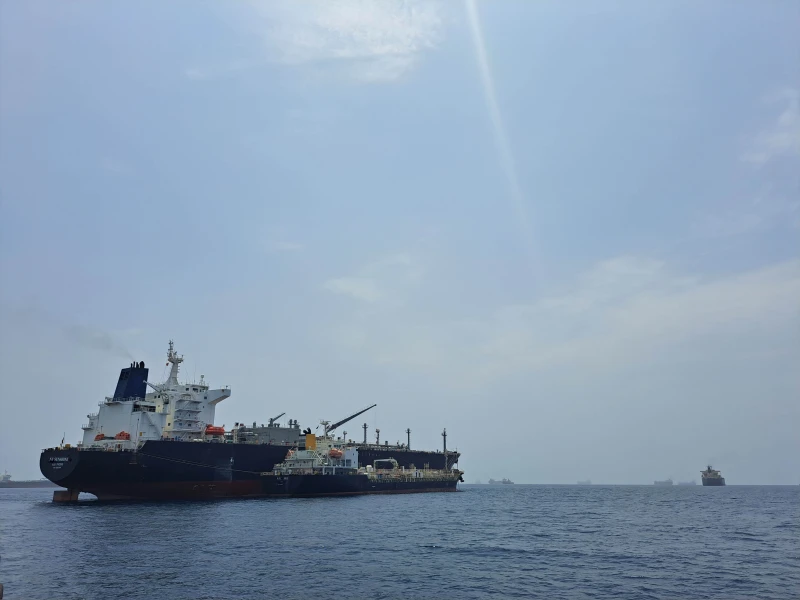
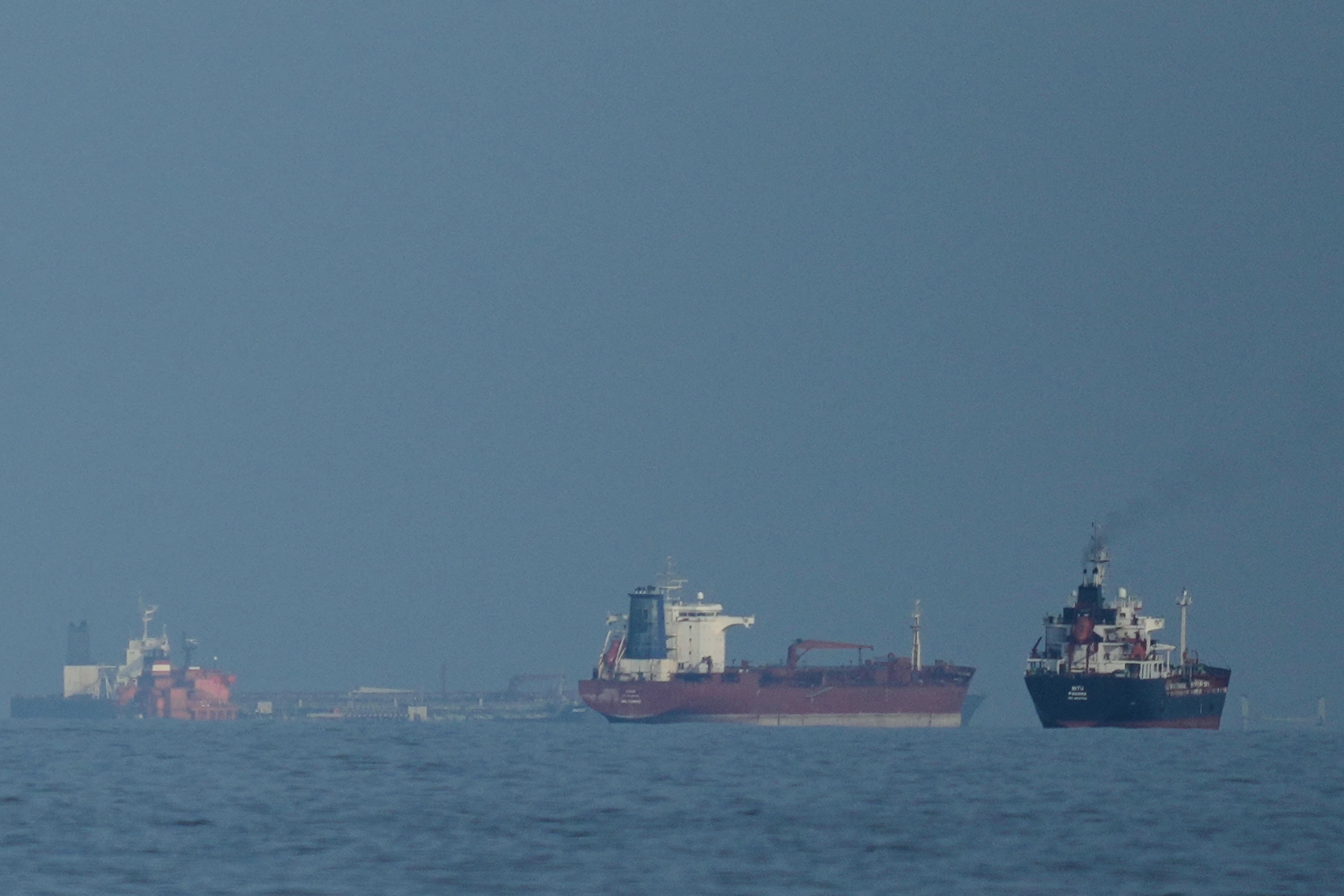
Iran has shut the Strait of Hormuz, a key waterway responsible for roughly 20 percent of the world’s oil shipments, as a measure in its war against Israel and the US that started in late February, leading to a sharp raise in global oil prices.
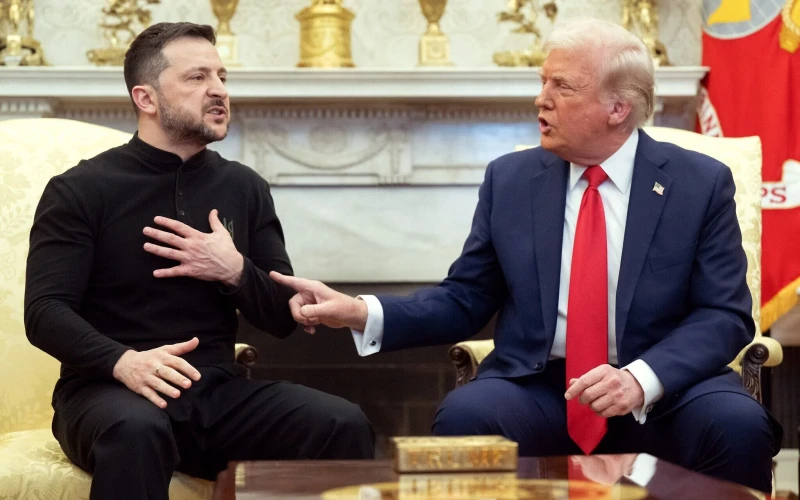
US President Donald Trump on Saturday warned Iran that if it does not reopen the Strait of Hormuz within 48 hours, the US will “hit and obliterate” its power plants.
“The global economy is facing a major, major threat today, and I very much hope that this issue will be resolved as soon as possible,” Birol added, stressing the need for global efforts.
The closure of the Strait of Hormuz has had severe impacts on global trade and supply chains.
There are fears that the Iran-backed Houthis in Yemen may help Iran close the Bab al-Mandab Strait as well, which would block all shipments from the Middle East to Europe from the Mediterranean, forcing them to reroute all the way around Africa.
 Facebook
 LinkedIn
 Telegram
 X
X