
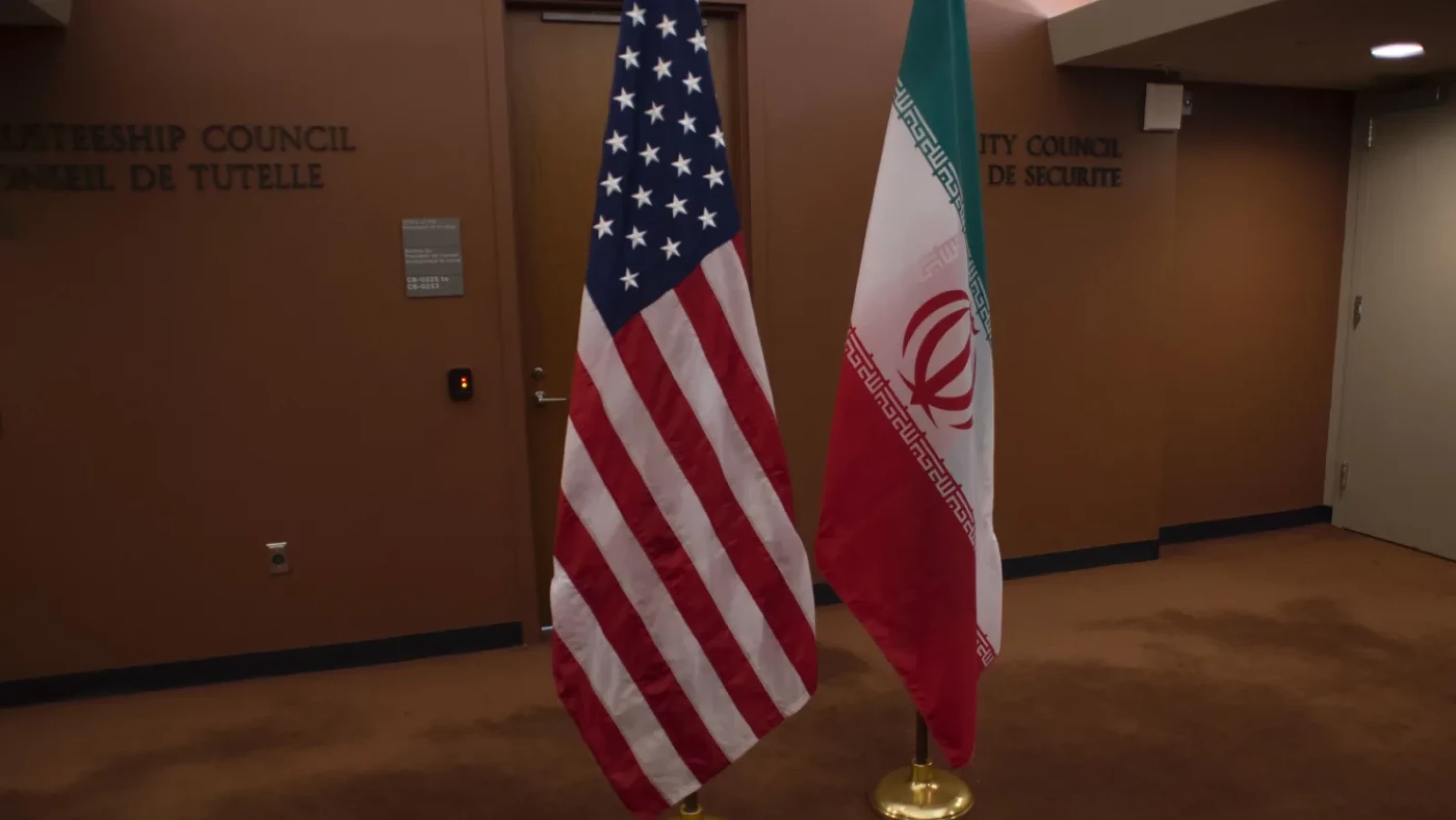
ERBIL, Kurdistan Region of Iraq – Pakistani Foreign Minister Ishaq Dar on Thursday confirmed that indirect talks between Tehran and Washington, mediated by Islamabad, are taking place, despite Iran claiming that it rejected the talks.
“There has been unnecessary speculation in the media regarding peace talks to end ongoing conflict in the Middle East,” Dar said on X. “In reality, US-Iran indirect talks are taking place through messages being relayed by Pakistan.”
He further confirmed that the “United States has shared 15 points, being deliberated upon by Iran.”
Iranian Foreign Minister Abbas Araghchi on Wednesday said that Tehran does not plan to negotiate with Washington, asserting that no negotiations have taken place with the US after President Donald Trump said they had proposed a peace plan.
On Monday, Trump referred to a 15-point agreement with Iran, saying he was in contact with a top Iranian leader, while denying recognition of newly appointed Supreme Leader Mojtaba Khamenei’s position and role.
Turkey and Egypt have also extended a hand to support the talks, according to Dar.
Trump on Thursday described Iranian negotiators as “very different and strange,” claiming that Tehran has been “begging” to make a deal while publicly stating it is only “looking at our proposal,” in a post on his Truth Social platform.
He warned that “they better get serious soon, before it is too late,” adding that if they fail to do so, “there is NO TURNING BACK, and it won’t be pretty.”
The US president further criticized NATO’s lack of cooperation with Washington in the Iran war, saying his country does not need any assistance from the alliance, adding, “BUT ‘NEVER FORGET’ THIS VERY IMPORTANT POINT IN TIME.”
Iranian state TV on Wednesday said that Tehran has rejected a US 15‑point proposal aimed at ending the conflict, while listing Iranian conditions that must be met before any ceasefire is agreed upon, citing an unnamed Iranian official.
The source said Tehran would only agree to end the war if its conditions are met, including a complete halt to attacks and targeted killings, guarantees against renewed conflict, compensation for war damages, and an end to fighting across all fronts involving allied groups.
It also stressed that Iran’s sovereignty over the Strait of Hormuz must be recognized as part of any agreement.
The US-Israeli war on Iran, and the subsequent closure of the Strait of Hormuz, as well as Iran's retaliatory strikes on Middle Eastern and Gulf countries, have driven oil prices significantly higher.
 Facebook
 LinkedIn
 Telegram
 X
X