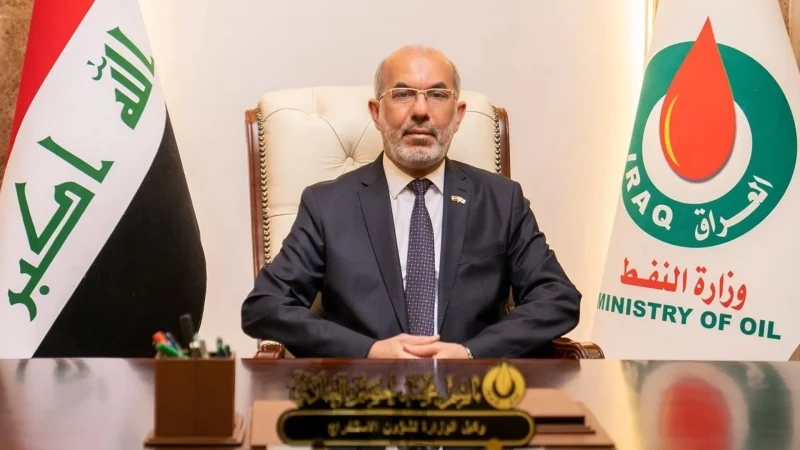

ERBIL, Kurdistan Region of Iraq - Iraqi judiciary chief Faiq Zidan warned on Friday that attempts by armed factions to independently make decisions on war and peace pose a serious threat to Iraq’s sovereignty and risk plunging the country into legal and security chaos.
Since the outbreak of the US-Israeli war with Iran, pro-Iran factions within Iraq have repeatedly launched missile and drone strikes across the country, targeting US and international military installations, hotels, Kurdish and federal security and intelligence forces, and key energy infrastructure.
"The actions of some armed factions and their attempts to unilaterally make decisions regarding war and peace constitute a serious threat to the sovereignty of the state and the stability of society, leading to legal and security chaos," Zidan wrote in an article carried by Iraqi state media.
The chief justice said such actions, including engaging in military activities without state authorization, amount to a clear violation of the constitution, stressing that the authority to declare war is strictly reserved for Iraq’s legitimate constitutional institutions.
"When some factions make such decisions, they weaken the prestige of the state and undermine the principle of the rule of law."
The actions of pro-Iran factions have drawn extensive criticism from the Kurdistan Regional Government (KRG), who have lambasted Baghdad for failing to control the activities of such groups, many of whom are on the state payroll as components of the Popular Mobilization Forces (PMF).
Major Gulf countries on Wednesday urged Iraq to "immediately" stop attacks by pro-Iran armed groups operating from its territory, reaffirming their right to self-defense.
In a joint statement, the UAE, Jordan, Kuwait, Bahrain, Saudi Arabia, and Qatar condemned strikes attributed to Iran-aligned factions in Iraq targeting neighboring countries and infrastructure.
Zidan, who heads Iraq’s Supreme Judicial Council, described the declaration of war as one of the most dangerous sovereign decisions due to its far-reaching political, military, and legal consequences.
Under the Iraqi Constitution of 2005, a state of war or emergency can only be declared through a joint request by the president and prime minister, followed by approval from two-thirds of parliament, a process designed to ensure broad national consensus and prevent misuse of power.
He cautioned that allowing armed groups to act outside this framework creates multiple centers of military decision-making, increasing the risk of instability and potentially dragging Iraq into internal or regional conflicts without national agreement.
The judiciary chief added that unilateral military decisions could expose Iraq to international isolation or sanctions, as they fall outside the legal framework governing the state, concluding by calling for restricting weapons to state control and strengthening constitutional institutions to safeguard Iraq’s sovereignty and ensure long-term stability.
Zidan has previously urged the restriction of weapons in Iraq to the state, announcing in December that the leaders of some armed factions have adhered to his call to cease military action.
 Facebook
 LinkedIn
 Telegram
 X
X