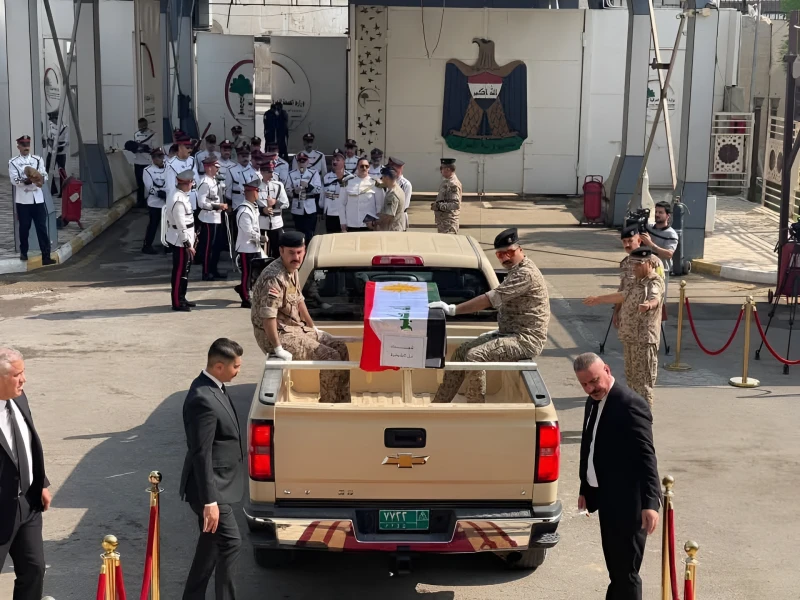
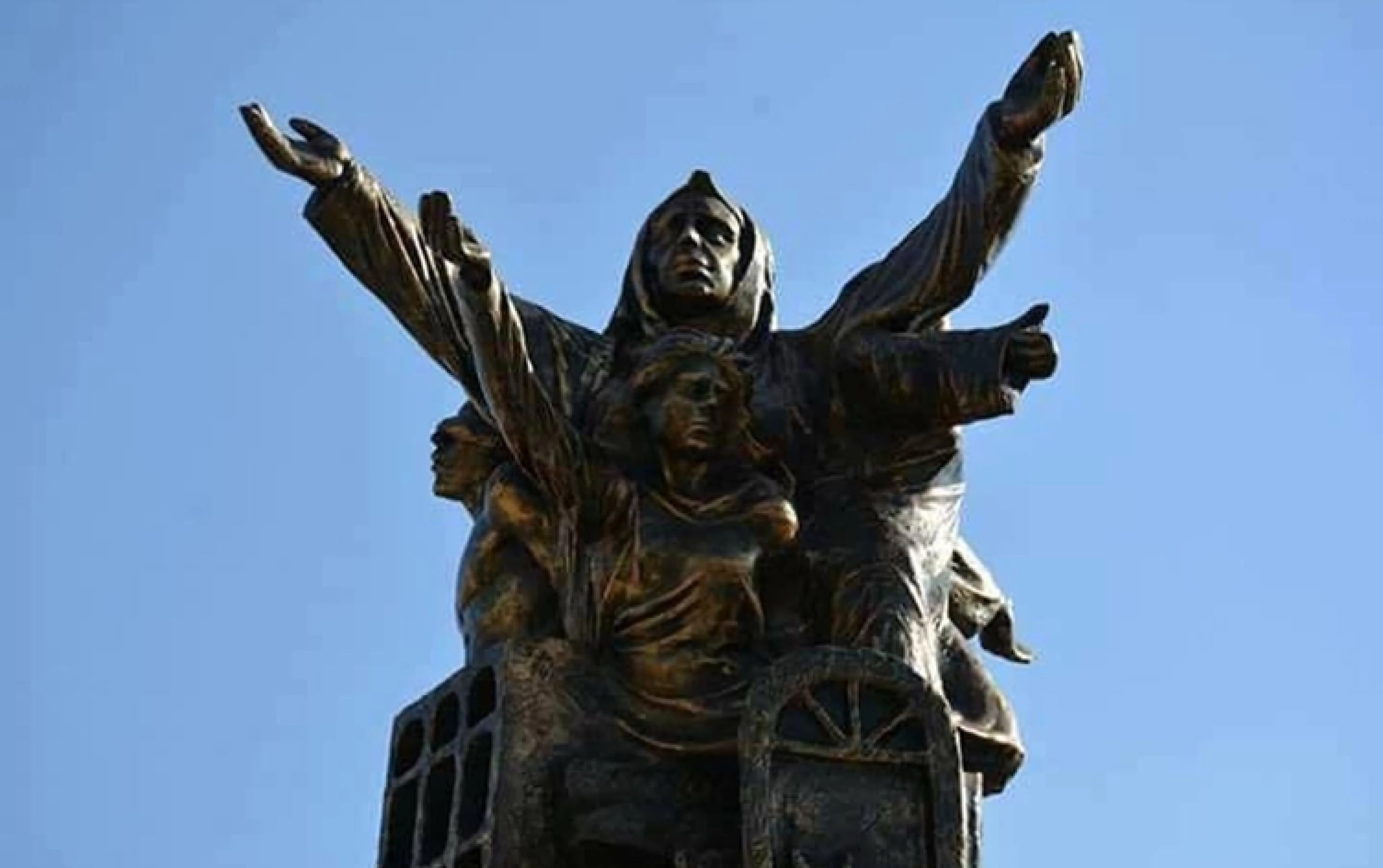
ERBIL, Kurdistan Region of Iraq – Kurdistan Region leaders on Saturday, marking the 46th anniversary of the Feyli Kurdish genocide, called on Baghdad to compensate those affected by the Baathist regime, lamenting the atrocities that took place.
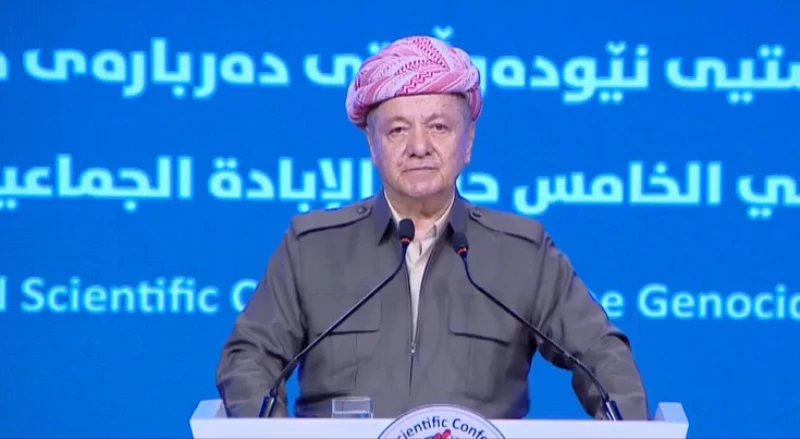
“The martyrdom of thousands of young people, the erasure of their identity, and the expulsion of tens of thousands of Feyli Kurdish families were part of a systematic and inhumane policy deliberately carried out against the people of Kurdistan by the former Iraqi regime,” President Masoud Barzani said Saturday in a statement.
Masoud Barzani said it is the Iraqi government’s “responsibility” to “provide justice and compensation” to the Feyli Kurds, describing their experience as “tremendous suffering and persecution” while being denied basic rights.
The Feyli Kurds, once a prominent part of Iraq's urban elite, faced severe persecution following the rise of the Baath Party in 1968. Accused of supporting the Kurdish Nationalist Liberation Movement, they were subjected to systematic exclusion and deportation.
“The Feyli Kurds are and will always remain a cherished part of the Kurdish people,” President Barzani added.
Kurdistan Region Prime Minister Barzani also reaffirmed Saturday that “the Federal Government must assume its legal and constitutional responsibilities and properly compensate the families and relatives of the Feyli Kurdish martyrs and victims, the victims of chemical bombardment, the Anfal survivors, and all those who suffered at the hands of the former Iraqi regime,” according to a statement from the Kurdistan Regional Government (KRG).
The premier described the incident as a “dark chapter” for Kurds, noting that it “resulted in the martyrdom, expulsion, disappearance, and confiscation of the property and assets of hundreds of thousands of Feyli Kurds” by the former Iraqi regime.
“We bow in deep respect and offer our heartfelt condolences to the pure souls of the Faili Kurdish martyrs and all the martyrs of Kurdistan,” he said.
Beginning in 1969, over 70,000 Feylis were deported to Iran following spurious claims by the state denying their Iraqi heritage, and many were removed from state institutions and professional sectors.
The oppression escalated in 1980 with Saddam Hussein's Decree 666, which revoked the citizenship of 360,000 Feylis, confiscated their properties, and led to mass deportations. Over 15,000 Feylis disappeared, either killed or lost in the country’s many prisons.
In 2011, the Iraqi Parliament recognized these events as genocide. Efforts to address the injustices began in 2019, focusing on property rights and public employment.
Numbering around 1.5 million people, the Feylis still struggle with legal and political challenges, exacerbated by ongoing disputes between Iraq's central government and the KRG.
 Facebook
 LinkedIn
 Telegram
 X
X