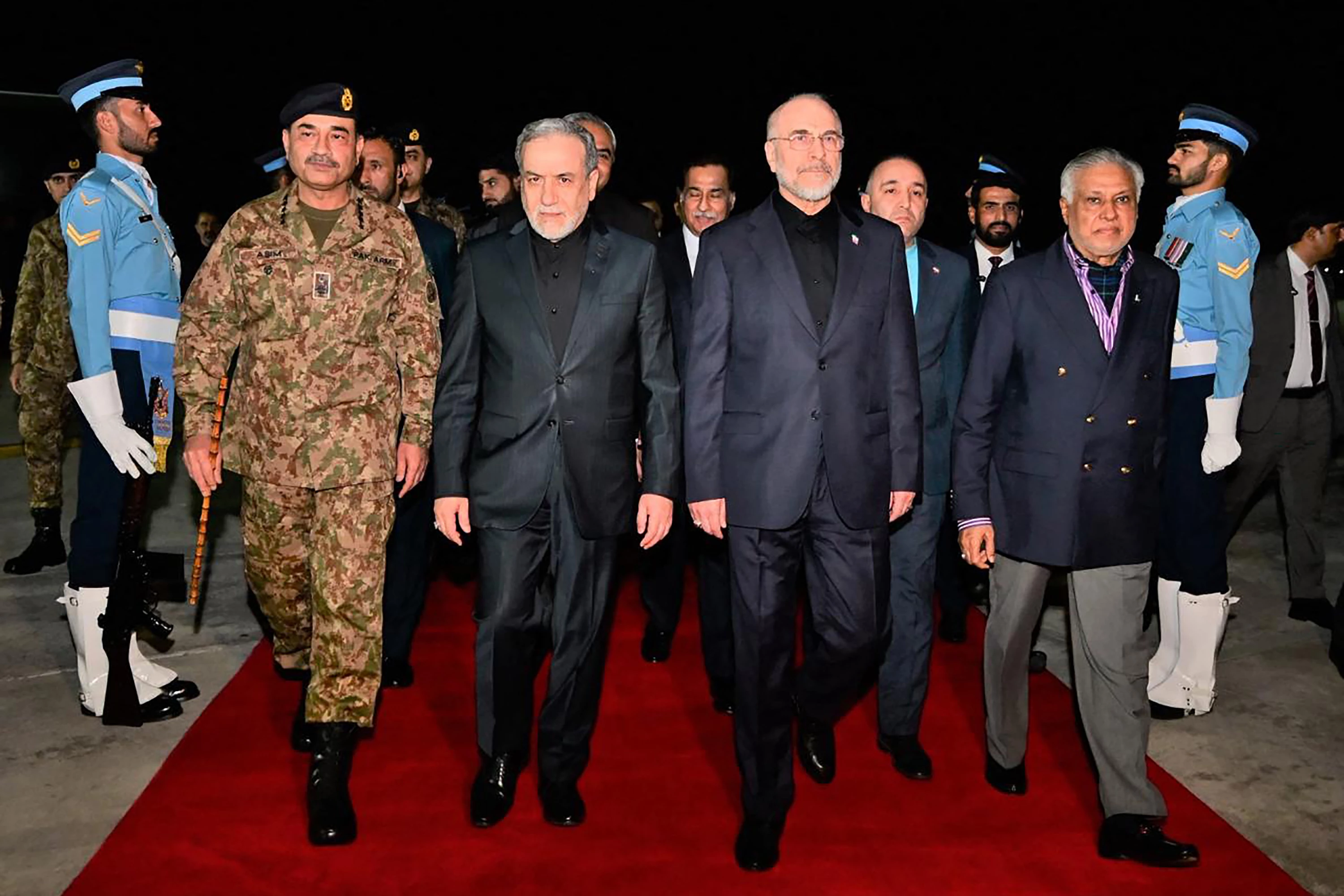
ERBIL, Kurdistan Region of Iraq - Mohammad Bagher Ghalibaf, Iran’s parliament speaker and head of the negotiating delegation, said on Sunday that the US “failed to gain the trust” of the Iranian side during the Islamabad talks, resulting in the failure to reach an agreement.
High-level US and Iranian delegations arrived in Islamabad on Saturday, with the two sides holding extensive talks for 21 hours aimed at ending the war.
“Before the negotiations, I emphasized that we have the necessary goodwill, but due to the experiences of the previous two wars, we do not trust the other side,” said Ghalibaf, Iran’s top negotiator.
Iranian foreign ministry spokesperson Esmail Baghaei said following the negotiations that the Strait of Hormuz, the nuclear program, war reparations, lifting of sanctions, and a “complete end” to the war were discussed, while stressing that it is “natural” not to expect an agreement in a single session.
The Strait of Hormuz is a key waterway responsible for roughly 20 percent of the world’s oil, which Iran has closed as a means in its war against the US and Israel, sharply driving up global oil prices.
Media affiliated with Iran’s Islamic Revolutionary Guard Corps (IRGC) cited “excessive demands” made by the US delegation as a reason for the talks failing, including regarding the strait.
Before leaving Islamabad, US Vice President JD Vance, who headed the American delegation, said that Washington had given Tehran its “final and best offer.”
Ghalibaf also said his delegation proposed “forward-looking initiatives,” however, “the other side ultimately failed to win” their trust.
“America understood our logic and principles — now it is time for it to decide whether it can earn our trust or not,” he asserted.
Both sides have accused each other of not showing goodwill during talks.
US President Donald Trump on Saturday downplayed a deal with Tehran saying “whether we make a deal or not, makes no difference to me. And the reason is because we’ve won.”
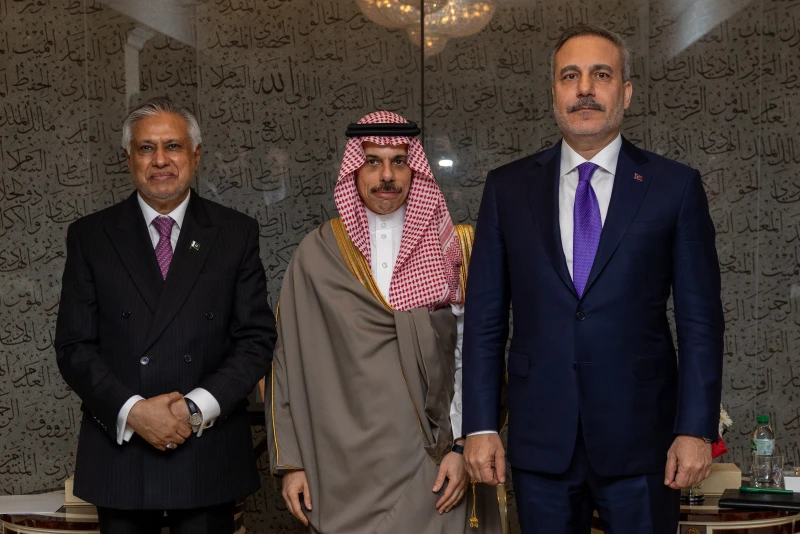
After the talks ended, Pakistani Foreign Minister Ishaq Dar said Islamabad will continue mediating between Washington and Tehran in the coming days, adding: “It is imperative that the parties continue to uphold their commitment to the ceasefire.”
“We hope that the two sides continue with the positive spirit to achieve durable peace and prosperity for the entire region and beyond,” Dar said.
A two-week ceasefire between the US and Iran reached on April 7 has led to a lull in attacks in the region, with the Iran-aligned Islamic Resistance in Iraq, an umbrella group of Shiite militias, on Wednesday saying that it too will refrain from offensive action during the period.
In Lebanon, however, Israel has continued violently targeting its northern neighbor under the pretext of targeting Hezbollah positions. Iran stresses that the two-week ceasefire covers Lebanon; an assertion rejected by the US and Israel.
 Facebook
 LinkedIn
 Telegram
 X
X