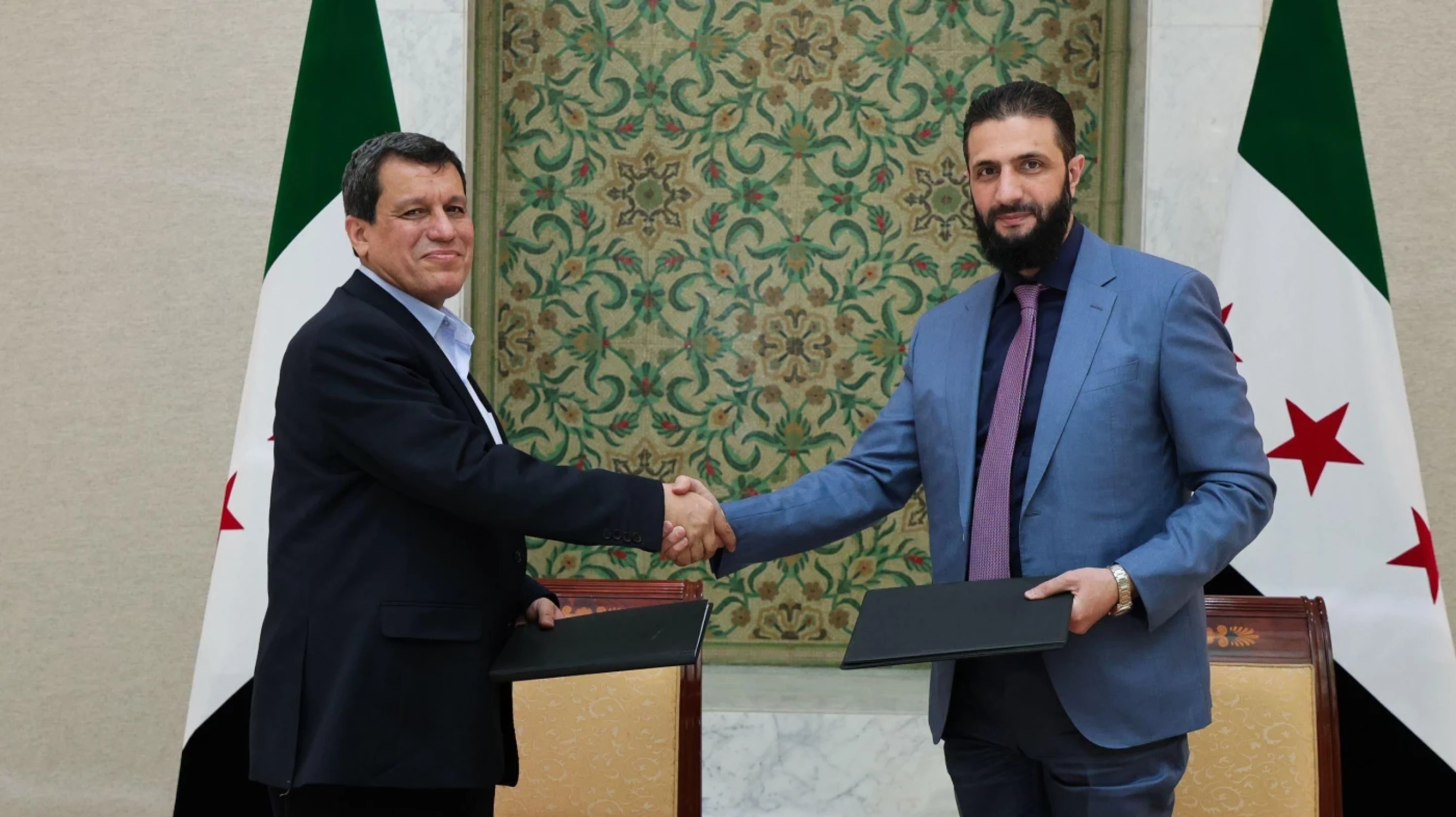
ERBIL, Kurdistan Region of Iraq – Commander of the Kurdish-led Syrian Democratic Forces (SDF) Mazloum Abdi is set to meet with Syrian President Ahmed al-Sharaa and Foreign Minister Asaad al-Shaibani to discuss next steps in regards to the integration process, a senior official revealed on Tuesday.
Abdi and Elham Ahmed, head of Rojava's Foreign Relations Office, arrived in Damascus on Tuesday to hold a meeting with a number of Syrian state officials, according to SDF-affiliated media.
The pair is scheduled to meet with Ziad al-Ayesh, Sharaa’s envoy overseeing implementation of the January 29 ceasefire and integration agreement between Damascus and the SDF, presidential team spokesperson Ahmed al-Hilal told state media.
“Separate meetings will also be held between Abdi and both Foreign Minister Asaad al-Shaibani and President Ahmed al-Sharaa,” he said.
The meetings aim to “follow up on the integration process, review progress made, and discuss next steps,” and are of “great importance” according to Hilal, as they “shift the SDF issue from a path of international and regional intervention to a national one.”
On January 29, SDF announced that it had reached a “comprehensive agreement” with Damascus to enable a phased integration process of the Kurdish-led forces into the Syrian state after weeks-long clashes.
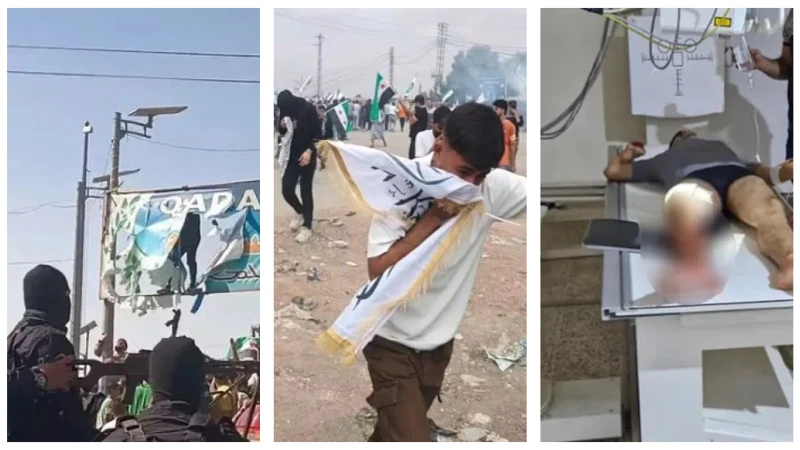
The agreement came after a Damascus offensive against Rojava that spanned the better part of January, in a bid to secure Sharaa’s vision of a united, centralized Syria, despite the country’s marginalized minorities repeatedly calling for federalism.
The deal led to a ceasefire that saw Syrian government forces enter Kurdish-held areas, the appointment of a Kurdish mayor in Hasaka and other key roles granted to the Kurdish-led Autonomous Administration, ongoing efforts to return IDPs from Afrin and Sari Kani (Ras al-Ain) to their hometowns, and exchange of prisoners.
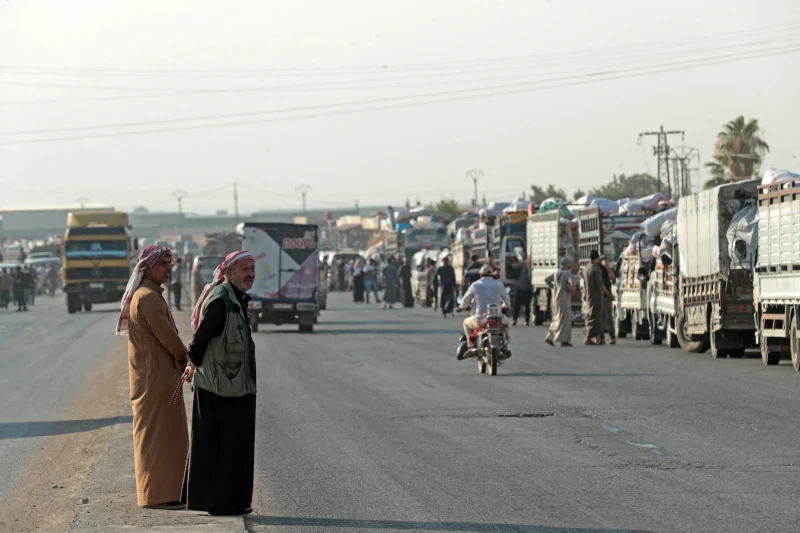
The Rojava administration in late January said that the offensive by Damascus-affiliated factions had displaced at least 350,000 people toward Hasaka, Qamishli, and Kobane, from Raqqa, Tabqa, and Deir ez-Zor.
 Facebook
 LinkedIn
 Telegram
 X
X