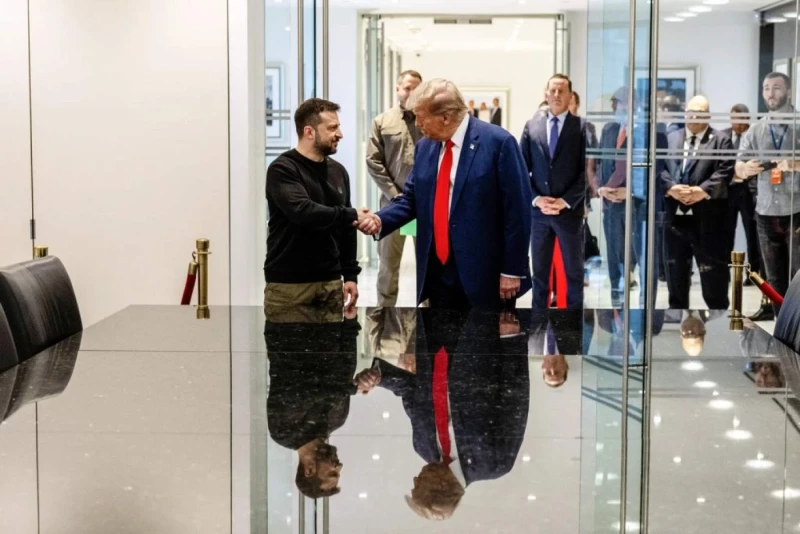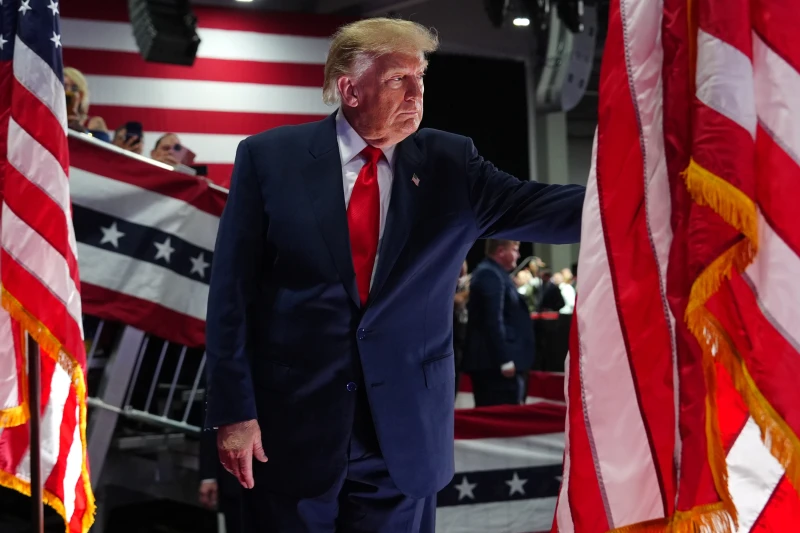
ERBIL, Kurdistan Region of Iraq - Hours after announcing Israel-Lebanon ceasefire on Truth Social, United States President Donald Trump told reporters on Thursday that he expects Israeli Prime Minister Benjamin Netanyahu and Lebanese President Joseph Aoun to visit the White House in the coming days.
"As of two hours from now, we have a ceasefire with Israel and Lebanon. And that'll be great. And they'll be meeting – probably coming to the White House – over the next four or five days," Trump told reporters, adding that the ceasefire will include Hezbollah as well.
Earlier Thursday, Trump announced that a ten-day ceasefire between Israel and Lebanon will come into effect from midnight Beirut time, potentially solving a key stumbling block in the ongoing US-Iran truce.
Netanyahu said in a televised speech that Tel Aviv would enter a 10-day ceasefire with Lebanon while maintaining a 10-kilometer (6.2-mile) "security zone" along the southern border, on the condition that Hezbollah disarm and that a long-term peace agreement "based on strength" be reached.
He also made public that he rejected the militant group’s demands, including a full Israeli withdrawal from Lebanese territory and a ceasefire based on "quiet in return for quiet."
The Lebanese military, however, announced early Friday that Israeli was already responsible for "a number of violations" of the truce after it came into effect, warning citizens in the country's south to exercise caution amid Israeli attacks.
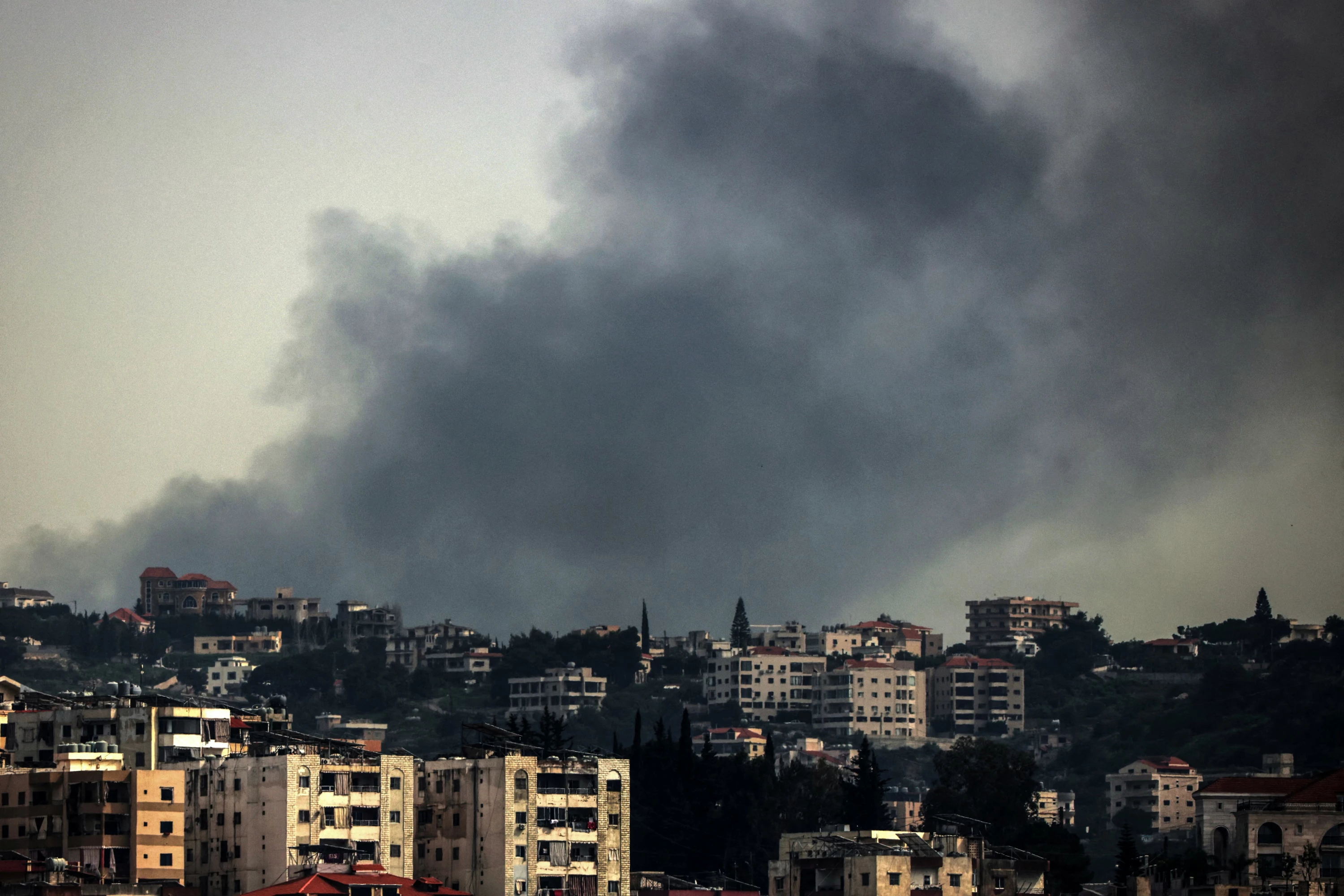
Speaking to AFP on Thursday, Hezbollah official Ibrahim al-Moussawi warned that the group’s commitment to the truce depends on Israel halting its military operations, a pledge immediately strained the same day after Lebanese state media reported a "massacre against civilians" in the town of Ghazieh, where an Israeli strike killed seven people and wounded at least 33 just hours before the 10-day ceasefire was set to begin.
Before Trump’s announcement, Hezbollah lawmaker Hussein Hajj Hassan told AFP on Thursday that "direct negotiations with the enemy are a grave sin and a grave error" on the part of the government.
Following a landmark meeting between their ambassadors to the US on Tuesday, Israel and Lebanon have agreed to start direct talks.
International leaders welcome the move
European Commission President Ursula von der Leyen welcomed the ceasefire on X, calling it "a relief" for a conflict that has "already claimed far too many lives."
She also noted that Europe remains committed to Lebanon’s "sovereignty and territorial integrity" and pledged that the EU will continue to provide the Lebanese people with "substantial humanitarian aid."
Calling the truce "excellent news," Italian Prime Minister Giorgia Meloni congratulated both governments for reaching the milestone through US mediation while stressing that it is "now crucial" for all parties to fully respect the agreement.
Meloni expressed hope that the deal would pave the way for a "full and lasting peace" and affirmed that Italy would remain committed to regional stability by "contributing to peacekeeping" through UNIFIL and bolstering "Lebanese sovereignty" by supporting the nation's armed forces.
Earlier this week, Rome accused Israeli forces of firing warning shots at a convoy of Italian UN peacekeepers in Lebanon, an encounter that reportedly damaged a vehicle but left no one injured. The diplomatic fallout from the incident coincided with Italy's decision to revoke its memorandum of military and defense cooperation with Tel Aviv.
Italian Foreign Minister Antonio Tajani said on X that “the ceasefire in Lebanon is crucial for positively resolving the negotiations on Iran and swiftly bringing peace to the entire region.”
Saudi Arabia’s foreign ministry praised the diplomatic efforts of "brotherly Lebanon" on Thursday, welcoming the cessation of hostilities between Israel and Hezbollah. In a statement carried by state news agency SPA, the ministry "commended the significant positive role" played by Lebanese President Joseph Aoun, the government under Prime Minister Nawaf Salam, and Parliament Speaker Nabih Berri in securing the agreement.
Iran’s foreign ministry also endorsed the truce, linking it to broader regional diplomacy. According to state news agency IRNA, spokesperson Esmaeil Baghaei said Tehran "welcomed the announcement of the ceasefire in Lebanon" and described it as "part of the ceasefire understanding between Iran and the United States, mediated by Pakistan."
UN spokesperson Stephane Dujarric told reporters on Thursday that Secretary-General Antonio Guterres welcomes any steps toward ending the "hostilities and suffering on both sides of the Blue Line" following Trump’s ceasefire announcement.
While noting that the UN "remains ready to support these efforts," he emphasized that a "permanent ceasefire and long-term solution" requires the full implementation of Security Council Resolution 1701.
Stressing that "there is no military solution to this conflict," the spokesperson also warned that the humanitarian crisis in Lebanon is rapidly deteriorating, with "civilians continuing to bear the brunt of the violence" as needs across the country deepen.
The war in Lebanon began in early March, days after the United States and Israel launched large-scale attacks on Iran on February 28, provoking a retaliation from Lebanese Hezbollah.
Since then, Israel has launched a ground offensive into its northern neighbor and ravaged Beirut with airstrikes, killing almost 2,200 people since March 2, according to Lebanon's health ministry.
 Facebook
 LinkedIn
 Telegram
 X
X