ERBIL, Kurdistan Region of Iraq – The Kurdistan Region has been targeted almost 50 times by Iran and pro-Iran militias since the reaching of a US-Iran ceasefire on April 8, Community Peacemaker Teams (CPT) reported Friday, bringing the total number of attacks on the Region since the beginning of the war to 695.
The Kurdistan Region’s cities have been repeatedly targeted by strikes since the outbreak of the regional conflict, with attacks continuing despite a ceasefire agreement announced between the US and Iran on April 8th.
“Between April 8 and 24, a further 48 attacks were carried out, bringing the total number since the start of the conflict to 695,” CPT said in a statement.
Since the beginning of the war in late February, about 34 percent of the attacks were carried out “directly by Iran,” while 65 percent were conducted “by affiliated groups” targeting the Kurdistan Region, CPT added.
The Kurdistan Region has been targeted almost 50 times by Iran and pro-Iran militias since the reaching of a US-Iran ceasefire on April 8, bringing the total number of attacks on the Region since the beginning of the war to 695
— The New Region (@thenewregion) April 24, 2026
Data: Community Peacemaker Teams
READ MORE:… pic.twitter.com/FbAHObdskw
Erbil province experienced the majority of the attacks, accounting for 544 strikes (78 percent), while Sulaimani followed with 123 attacks (17 percent).
Duhok and Halabja, meanwhile, endured 22 (3.2 percent) and 6 (0.8 percent) of attacks respectively.
CPT said 407 of the 695 recorded attacks, or 58.6 percent, were intercepted or neutralized by air defense systems.
Although Iranian Kurdish opposition camps and bases were “the primary targets” during the ceasefire period, it said, adding that “a larger proportion of attacks were conducted directly by Iran” compared to the pre-ceasefire period.
Pre-ceasefire attacks
During the pre-ceasefire period, CPT claimed “the IRGC was responsible for 31.8 percent of attacks,” while pro-Iran Iraqi militia groups inside the country “carried out 68.2 percent.”
About 40 percent of the attacks targeted US facilities, while civilian and non-belligerent infrastructure accounted for 224 of the 647 recorded strikes. Iranian Kurdish opposition party camps and bases were targeted in 146 attacks, the monitor said.
Attacks during the ceasefire
During the ceasefire period starting from April 8, 48 attacks were recorded targeting the Kurdistan region, with “75 percent carried out by the IRGC,” and the other “25 percent by [Iran-]affiliated groups,” CPT said.
Over 77 percent of the attacks targeted opposition groups, with around 14 percent targeting civilian areas and Peshmerga facilities, and only 8percent targeting US diplomatic and military sites, marking a substantial shift away from targeting US interests amid the truce.
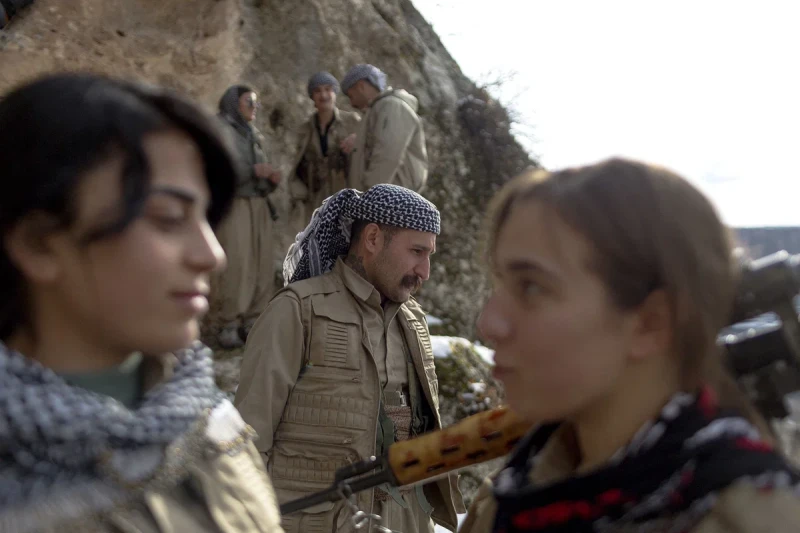
In mid-April, Iranian strikes on Kurdish opposition group positions in the Kurdistan Region killed several members of the Kurdistan Democratic Party of Iran (KDPI), including women fighters, while a female member of Komala of the Toilers of Kurdistan earlier died from wounds sustained in a separate strike. Several others were also injured.
“This trend indicates a shift in focus from US targets to Iranian Kurdish opposition groups within the Kurdistan Region,” CPT said, adding that the ceasefire did not end violence in the region.
Erbil has long insisted on its neutrality in the conflict, having previously strenuously denied US media reports that Kurdish dissident forces were preparing for a cross-border offensive into Iran and warning of the dangers of irresponsible journalism.
 Facebook
 LinkedIn
 Telegram
 X
X