ERBIL, Kurdistan Region of Iraq – US and Iranian forces exchanged missile and drone fire overnight in the Strait of Hormuz, with Tehran describing the incident as a “violation of the ceasefire” by the US and accusing Washington of targeting Iranian oil tankers, while the US said it was acting in self-defense and “eliminated inbound threats.”
In the late hours of Thursday local time, extending into early Friday, Iranian state broadcaster IRIB reported an explosion at Bahman port on Qeshm Island in the Persian Gulf near the strategic Strait of Hormuz, describing it as “an exchange of fire between Iranian armed forces and the enemy.”
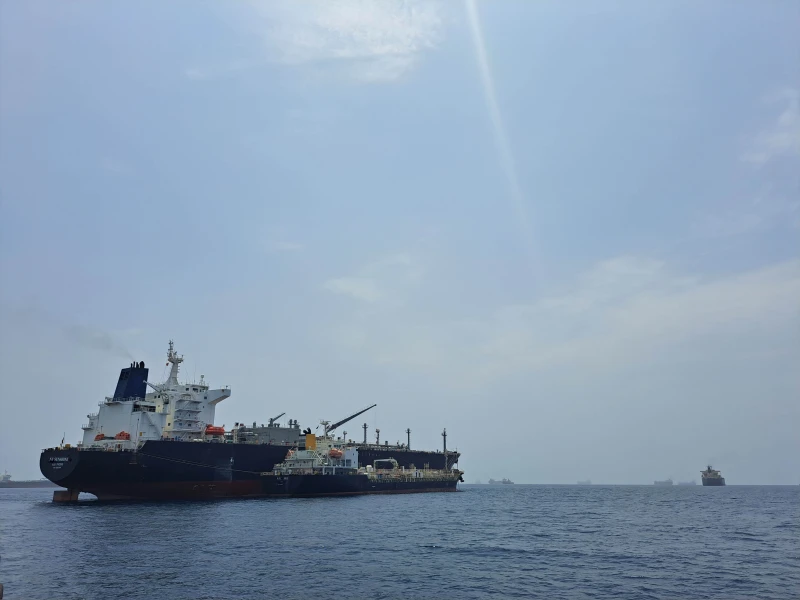
“Enemy units in the Strait of Hormuz came under Iranian missile fire,” IRIB reported, citing a military official, following what it described as a " US military attack on an Iranian oil tanker.”
The developments were soon followed by a report from US Central Command (CENTCOM) early Friday, saying fire was exchanged between Tehran and Washington in the Persian Gulf.
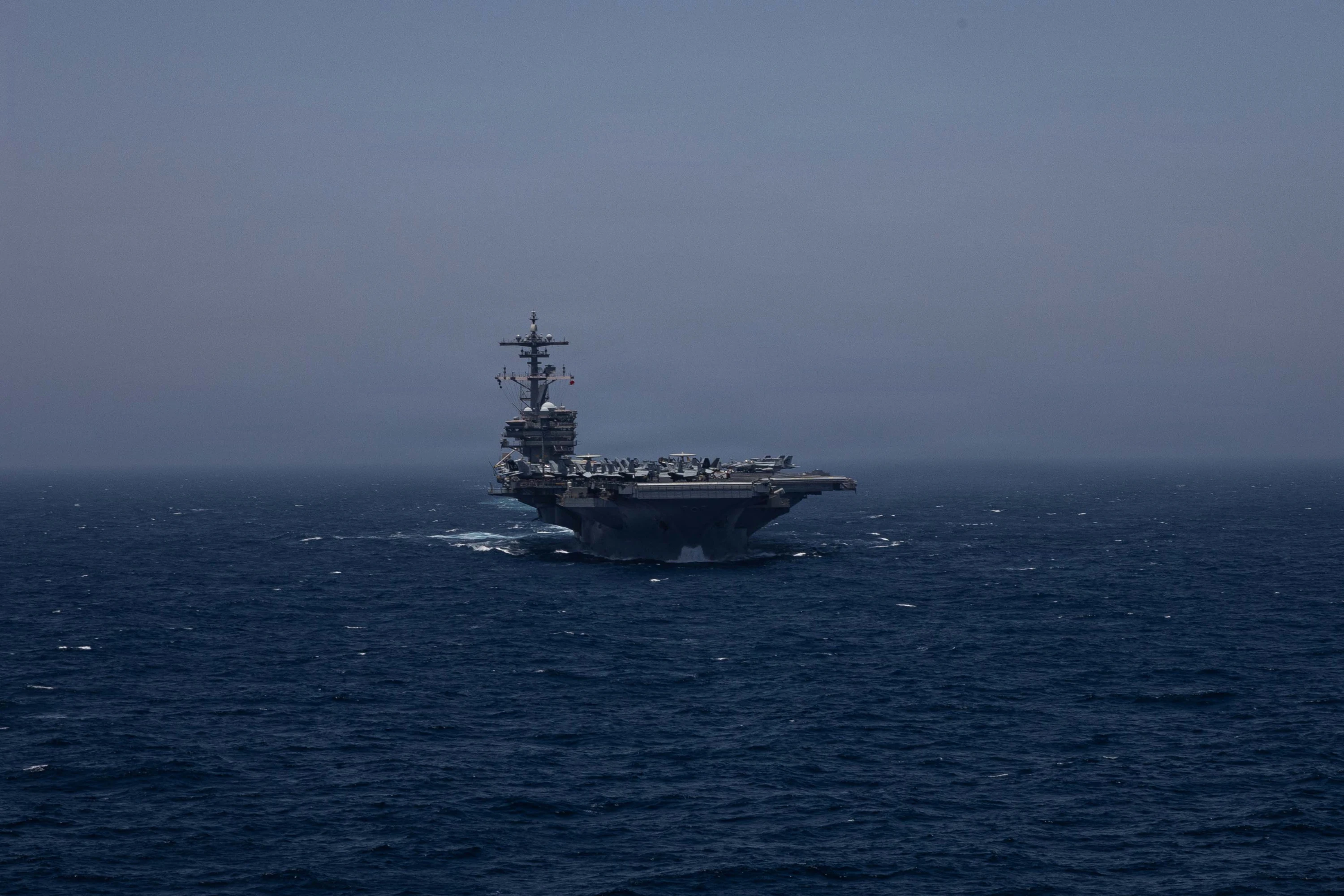
“U.S. forces intercepted unprovoked Iranian attacks and responded with self-defense strikes,” CENTCOM said.
CENTCOM “eliminated inbound threats and targeted Iranian military facilities responsible for attacking U.S. forces including missile and drone launch sites; command and control locations; and intelligence, surveillance, and reconnaissance nodes,” it added.
“CENTCOM does not seek escalation but remains positioned and ready to protect American forces,” noting that “No U.S. assets were struck.”
From Tehran’s side, the Islamic Revolutionary Guard Corps (IRGC) Navy command described the exchange of fire early Friday as a “violation of the ceasefire,” blaming the US for aggression against Iranian oil tankers.
“A very large-scale and precise combined operation was carried out using a variety of ballistic and anti-ship cruise missiles and destructive drones with high-explosive warheads,” the IRGC said, following what it said was a US attack on an “Iranian oil tanker near the port of Jask.”
The IRGC further claimed “significant damage to the American enemy” and said three U.S. ships “quickly fled the Strait of Hormuz.”
IRGC’s central command headquarters, Khatam al-Anbiya, soon issued warnings.
Iran “will give a crushing response to any aggression without the slightest hesitation,” it said, directing the warning at the United States and what it described as its supporting countries.
“The American aggressor, terrorist, and bandit army violated the ceasefire by targeting an Iranian oil tanker moving from the coastal waters of Iran in the Jask region towards the Strait of Hormuz, as well as another ship entering the Strait of Hormuz opposite the port of Fujairah in the UAE, and at the same time, they carried out airstrikes on civilian areas in cooperation with some countries in the region on the coasts of the ports of Khamir, Sirik, and Qeshm Island,” IRGC said.
Negotiations between Washington and Tehran have stalled since the ceasefire began, with no clear timeline for when face-to-face talks might resume.
On Thursday, US President Donald Trump warned Iran would be hit "a lot harder, and a lot more violently" if it does not "get their Deal signed, FAST," adding the destroyers will rejoin the US naval blockade, which he described as a "Wall of Steel.”
He added that three American destroyers transited the Strait of Hormuz "very successfully" while under Iranian fire, claiming there was "real damage done to the Iranian attackers" with boats, missiles, and drones destroyed.
 Facebook
 LinkedIn
 Telegram
 X
X