ERBIL, Kurdistan Region of Iraq – Recent protests in the cities of Rojava (northeast Syria) over the removal of the Kurdish language from government office signs are a sign that Kurdish must come first in the area, a senior Syrian Democratic Forces (SDF) official said on Sunday, calling the demonstrations “legitimate.”
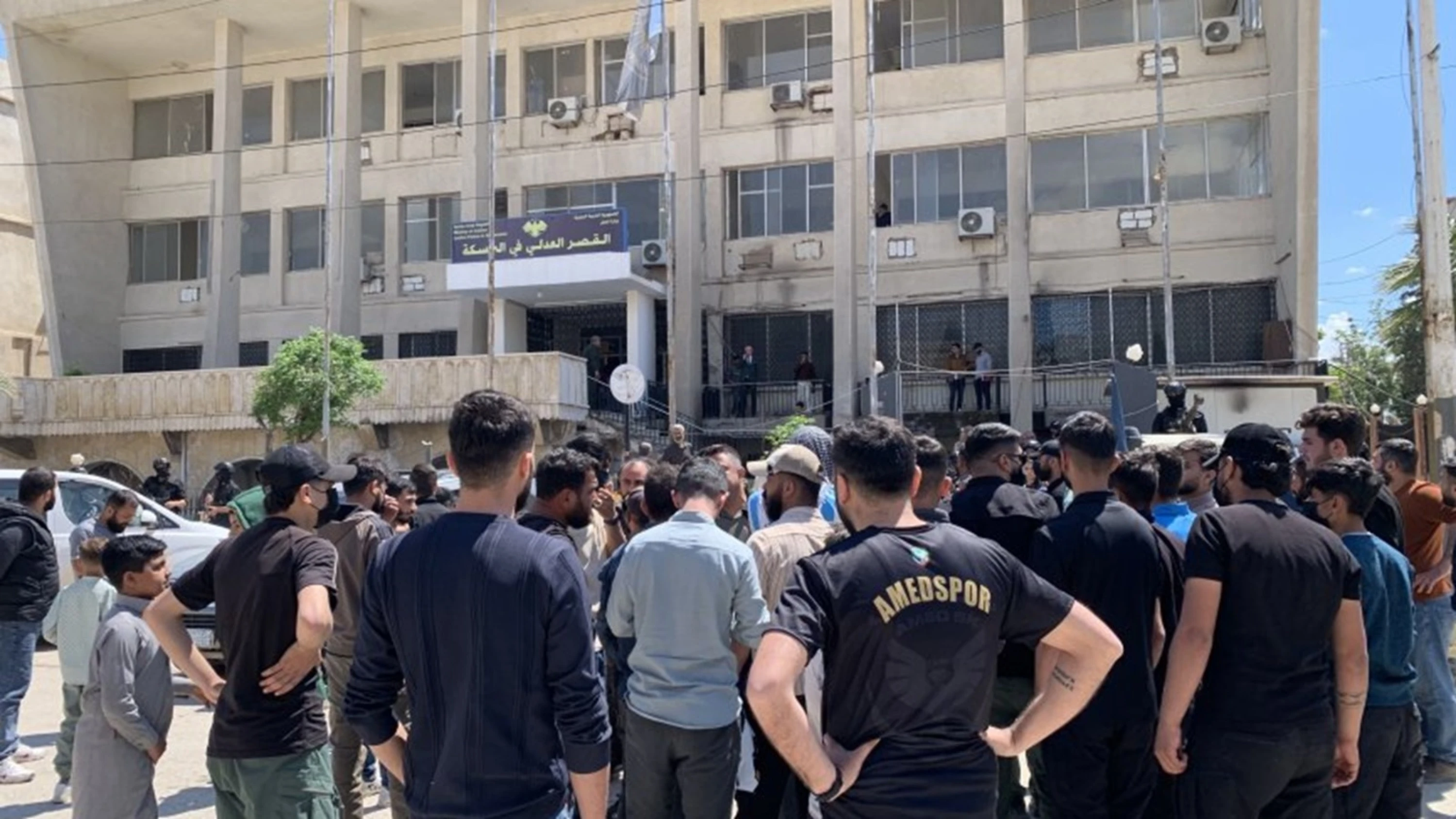
Protests erupted earlier this week in the city of Hasaka and other towns in Rojava over the removal of Kurdish language signage from the Justice Palace. On Thursday, locals tore down a newly-installed Arabic and English sign that had replaced a previous Kurdish-language sign.
Protesters again removed the replacement sign on Saturday, marking the second such incident during the week, as demonstrators demanded that the Kurdish language be represented in public institutions.
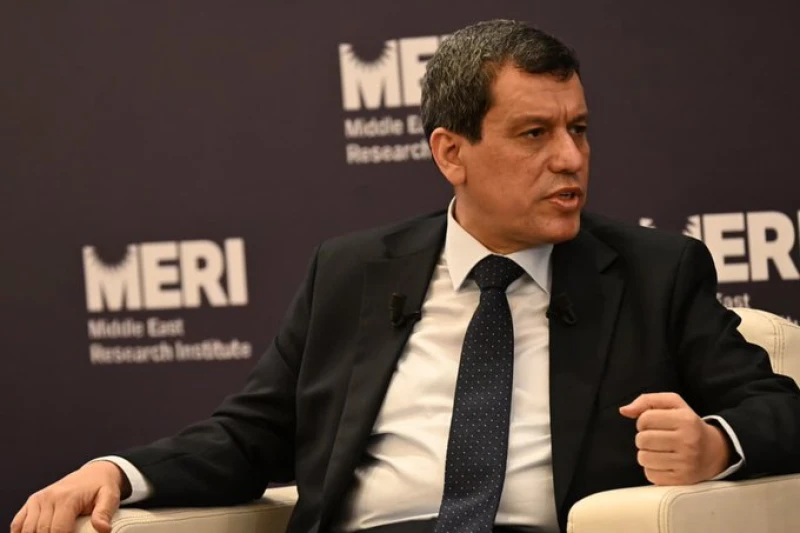
Farhad Shami, head of media for the SDF, said in a statement that “the sovereignty of the Kurds and Syriacs is achieved through their language, just as your sovereignty is achieved through your language. Any exclusion of components creates division.”
“Every protest movement against exclusionary ideology is legitimate,” he stressed.
Earlier in January, Syrian interim President Ahmed al-Sharaa issued a decree aimed at providing linguistic and cultural rights for Kurds, designating Kurdish as a national language that can also be taught as an “elective” course in the Kurdish-populated parts of Syria.
Kurdish authorities lament that the announced rights have yet to be constitutionalized, and are largely not implemented on the ground, with the Rojava administration asserting that rights cannot be guaranteed through temporary measures, calling for the decree to be inserted in the constitution.
While discussing the Kurdish language in the education system in an interview on Saturday, Rojava administration's foreign relations co-chair Elham Ahmad said Kurds will continue to fight for their linguistic rights and recalled a story of Sharaa urging Kurds in Afrin to ask for their rights.
“Once interim President Sharaa attended a gathering in Afrin where he said: ‘You are entitled to rights, you have been displaced, taken away from your soil and homes, you have rights…and you should not be shy of asking for your rights…I am not comfortable with those who do not ask for their rights,’” Ahmed said.
Sharaa’s decree in January came following international backlash after the Islamist-led Syrian Arab Army’s brutal campaign on areas held by the Kurdish-led forces, during which Syrian fighters were documented committing human rights violations against the Kurdish population.
“I believe the Kurds know where their rights lie, and they will, in an official manner, continue their struggle so that the rights of education in the mother tongue are completely acquired. They should not see it [the issue of language] as a weapon against them; they should not fear it,” Ahmad asserted.
 Facebook
 LinkedIn
 Telegram
 X
X