ERBIL, Kurdistan Region of Iraq - Iraq’s migration and displaced ministry said on Sunday that it is coordinating with the UN refugee agency to expedite the returns of IDPs and permanently close the displaced file.
Ministry spokesperson Ali Abbas told the state-run al-Sabah newspaper that a coordinated program with UNHCR seeks to facilitate the voluntary returns of IDPs from areas liberated from terrorism.
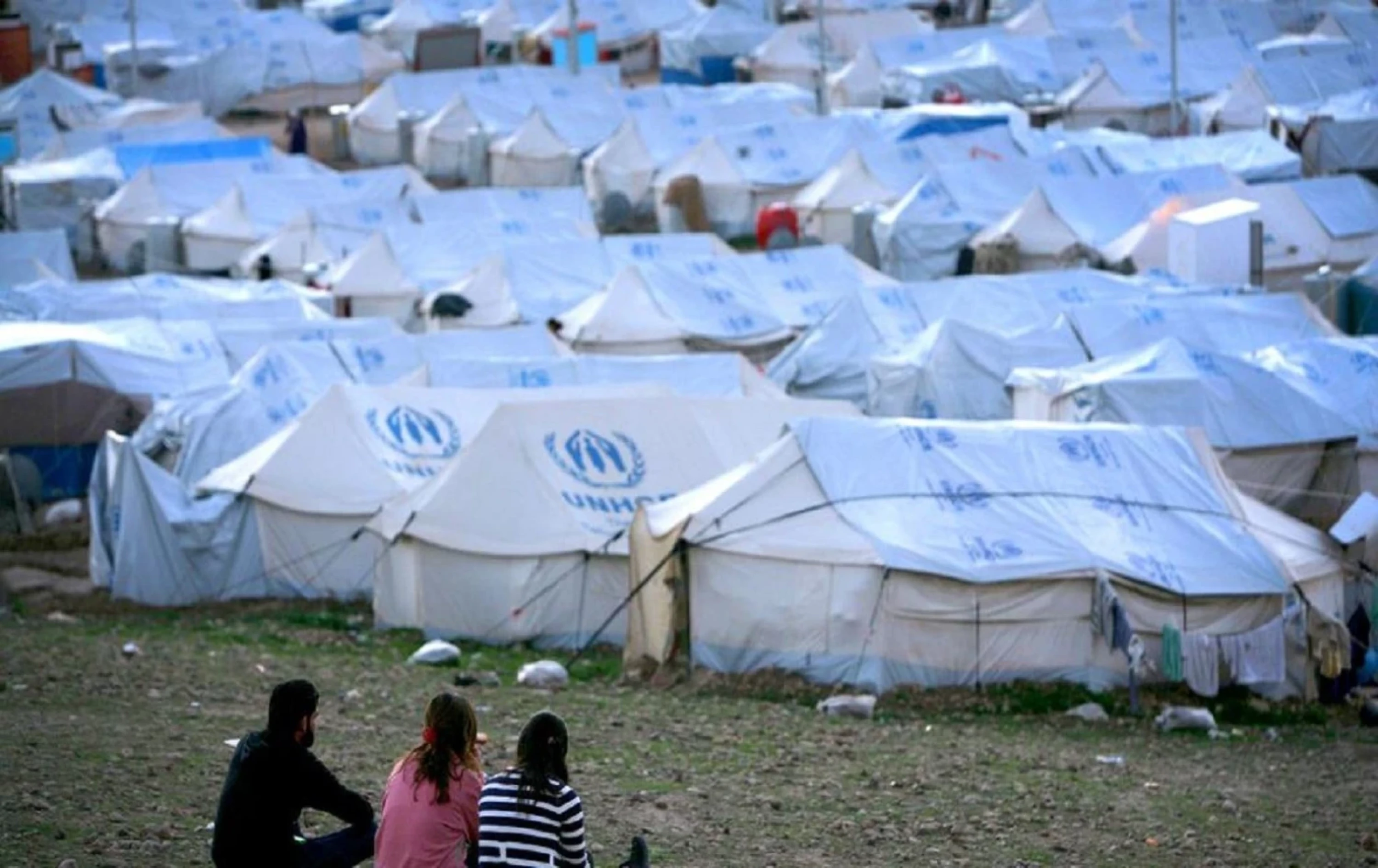
According to data from the UNHCR, there were over one million internally displaced people (IDPs) in Iraq as of July 2025, with over 104,000 living in 20 camps across the Kurdistan Region.
“The aim is to increase the number of returnees to their original areas of residence, overcome the challenges they face, and ultimately close the displacement file permanently,” Abbas said.
Another aspect of the program aims to support women and children who have been displaced due to the severe drought the country is facing, according to the spokesperson.
Climate change in Iraq has already forced over 100,000 people into displacement due to severe drought, especially in the country’s southern provinces.
In May 2024, the UN’s International Organization for Migration (IOM) said over 23,000 families, numbering more than 140,000 individuals, remain displaced because of climatic factors across 12 Iraqi provinces.
The United Nations has ranked Iraq among the world’s most climate-vulnerable countries, while authorities have warned that water reserves have fallen to dangerous levels, making conservation and careful management essential.
Iraq’s migration and displaced ministry has offered aid and incentives since January 2024 to boost voluntary returns, including a one-time payment of four million Iraqi dinars per family, potential government employment, social security benefits, and interest-free loans for small businesses.
However, activists, civil society members, and IDPs frequently lament that the payment and other incentives have not been consistently delivered.
 Facebook
 LinkedIn
 Telegram
 X
X