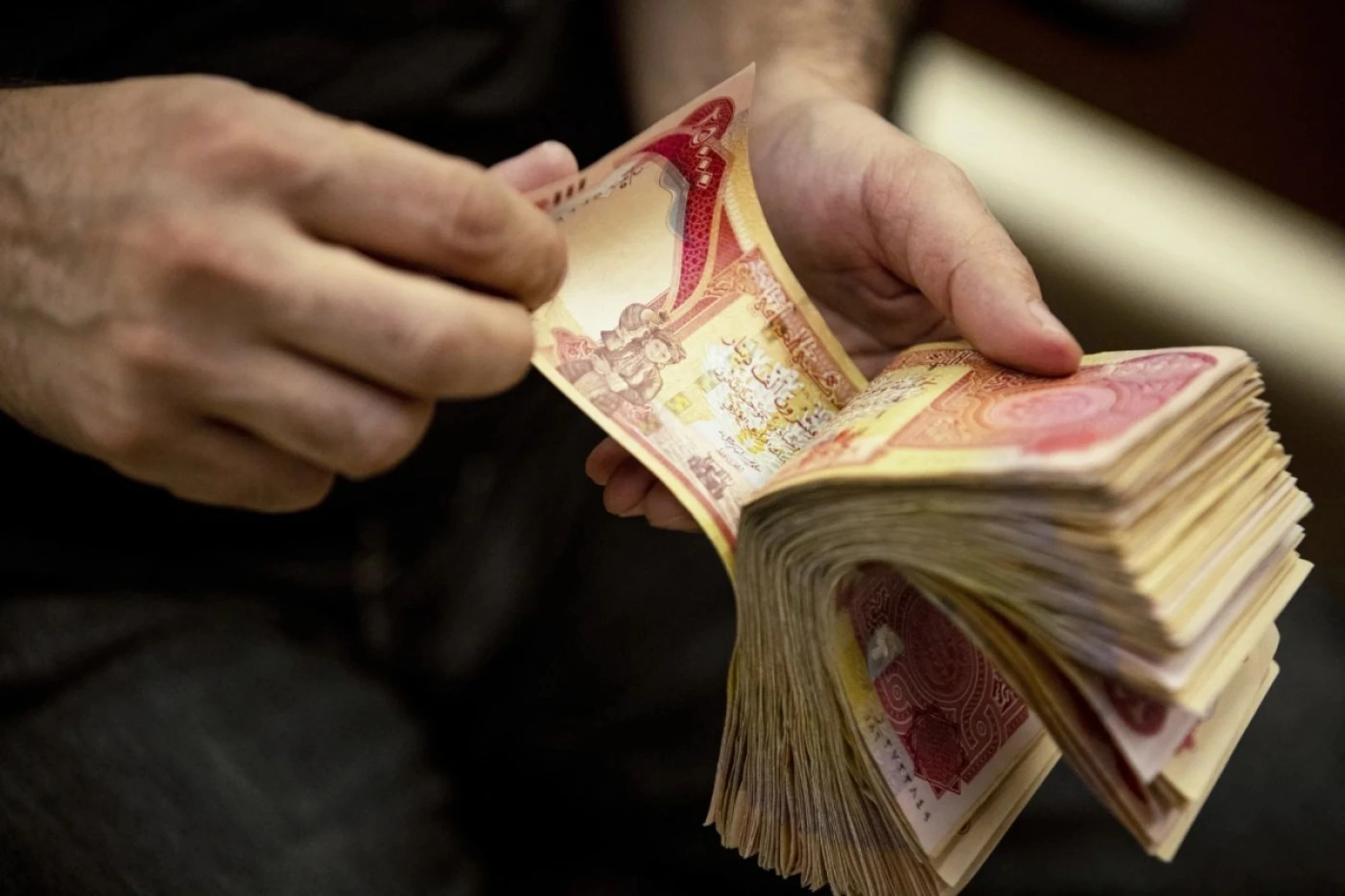
ERBIL, Kurdistan Region of Iraq – Iraq’s next government is set to face an early challenge during its tenure with drafting the 2026 budget, amid declining oil revenues and increasing financial burdens, raising concerns over whether Baghdad will adopt austerity measures or continue relying on temporary spending mechanisms.
Former parliamentary finance committee member Narmin Maarouf said the government still has time to submit the draft budget, but warned that relying on temporary spending regulations for a second consecutive year lacks a clear legal basis.
“The government still has sufficient time to present the budget,” Maarouf told state-run al-Sabah newspaper on Sunday, adding that continued spending based on the one-twelfth spending rule for two straight years does not rest on firm legal grounds.
Under Iraq’s temporary spending mechanism, the government is allowed to spend monthly based on one-twelfth of the previous year’s actual spending when a new budget has not yet been approved.
Ali al-Furaiji, a specialist in crisis management, said the 2026 budget would test the state’s ability to deal with what he described as a “compound shock caused by lower oil revenues and rising operational expenditures.”
He said it was likely that Iraq would continue operating under temporary spending measures in the near term.
Economic expert Jalil al-Lami warned that Iraq is facing a major financial gap due to declining oil exports, predicting that the upcoming budget could include austerity measures alongside a large deficit.
“If the crisis continues, the government may resort to borrowing or withdrawing from financial reserves,” Lami said.
In April, Iraqi officials warned that delays in approving the 2026 federal budget could harm the country’s economy, with financial advisor to the prime minister Mudher Mohammed Saleh saying Iraq’s heavy reliance on public spending makes the economy particularly vulnerable to budget delays.
He said prolonged delays could slow growth, suspend investment projects, reduce job opportunities, and increase unemployment.
At the time, parliament’s finance committee said the government’s options were limited to measures such as borrowing laws or emergency legislation.
The budget dispute also fueled tensions between Baghdad and the Kurdistan Regional Government (KRG), which demanded that its allocations be calculated based on the results of Iraq’s 2024 national census.
 Facebook
 LinkedIn
 Telegram
 X
X