ERBIL, Kurdistan Region of Iraq – The US-Israeli war on Iran could cost over 40 million jobs globally next year, the UN's International Labour Organization (ILO) warned Monday, with Arab states set to be hit hardest.
The ILO said the war has led to higher energy costs, transport disruptions, supply chain pressures, weaker tourism, and cuts in migrant labour.
According to the organization, real labour incomes would decline by 1.1 percent this year and three percent by 2027, which it said was equivalent to 14 million full-time jobs this year and 43 million next year.
"The conflict is expected to affect labour markets for some time, with the scale and duration of its effects depending on how the situation evolves," it said in a report.
It added that the Middle East, Gulf countries, and the Asia-Pacific region would take the worst hit, even worse than the COVID-19 pandemic, with migrant workers in Arab states being especially vulnerable to the changes.
“Since the crisis began, labour deployments to Gulf Cooperation Council countries have declined sharply in several labour-sending economies, while repatriations are rising. This reflects flight disruptions, security concerns, and weaker labour demand in construction, hospitality, and transport,” the report said.
“Around 40 per cent of employment in the region is concentrated in high-exposure sectors such as construction, manufacturing, transport, trade and hospitality,” it added.
ILO chief economist Sangheon Lee, who wrote the report, said it is not a short-term disruption but a “slow-moving and potentially long-lasting shock that will gradually reshape labour markets.”
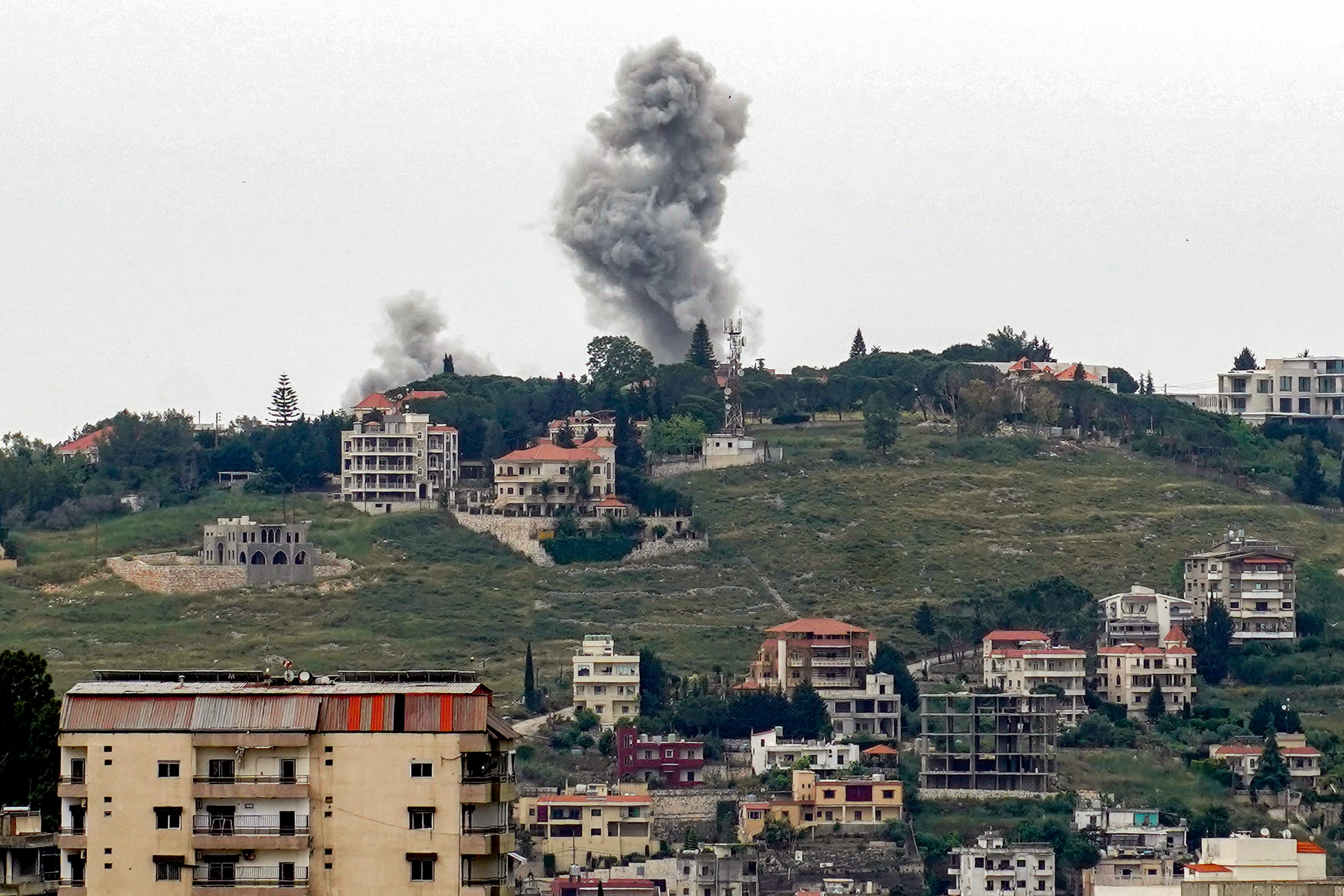
The US and Iran reached a ceasefire on April 8, but the Strait of Hormuz remains blocked by Iran, while the US has in turn also imposed a naval blockade on Iranian ports. Despite attacks largely stopping following the ceasefire, some have continued in the Kurdistan Region and Gulf countries.
The warring sides have traded proposals for ending the war since the ceasefire, with Washington calling Iran’s proposals unacceptable and Tehran saying the US is making excessive demands.
 Facebook
 LinkedIn
 Telegram
 X
X