ERBIL, Kurdistan Region of Iraq – Iraq’s oil ministry said Monday it has generated just over $1 billion from oil exports in the month of April, down from $6 billion in February, before the US-Israeli war on Iran started and the Strait of Hormuz was blockaded.
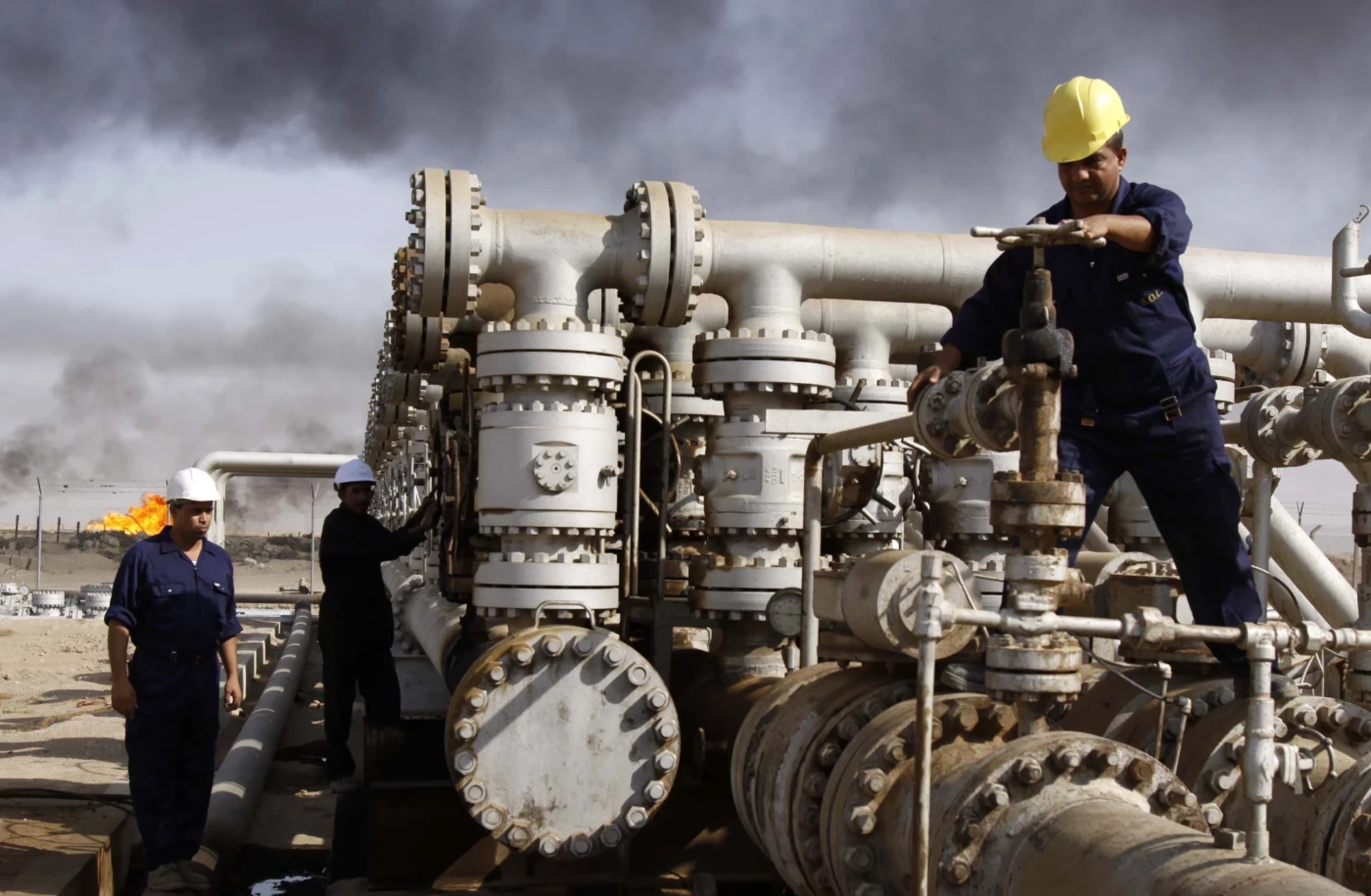
In a statement on Monday, the ministry announced that “the quantity of crude oil exports, including condensates, reached 9,884,130 barrels,” for the month of April, “with revenues exceeding $1,087,000,082.”
Iraq exported nearly 100 million barrels per day in February before the US-Iran war started, generating $6 billion. The number dropped to 18.6 million barrels and just shy of $2 billion for March, then less than 10 million barrels and barely over $1 billion for April.
The sharp drop in export capacity is a direct result of the tightened restrictions placed on the vital Strait of Hormuz, amid the tensions between the US and Iran.
The regional turmoil has forced Iraq to explore northern routes in a scramble to sell more oil, such as Turkey’s Ceyhan port. It has also compelled Baghdad to explore land routes westward through Syria.
According to the oil ministry, Basra oil accounted for over 4.5 million barrels, while nearly 5 million barrels of Kirkuk oil were transported through Turkey’s Ceyhan port. Oil exports from the Kurdistan Region - also transported through Ceyhan - reached nearly 340 thousand barrels.
Baghdad and Erbil reached an agreement in mid-March to export Iraqi oil through the Kurdistan Region to the Ceyhan port.
During his first meeting as Iraq’s new finance minister on Sunday, Falih al-Sari stressed the need to increase revenue from the ministry’s non-oil sources amid the decline in the country’s oil exports. The newly appointed minister called for “maximizing public revenues in the bodies and departments affiliated with the ministry.”
The drop in Iraqi exports, currently by a full decimal point compared to pre-war times, is particularly detrimental as Baghdad relies heavily on oil for around 90 percent of its annual budget.
 Facebook
 LinkedIn
 Telegram
 X
X