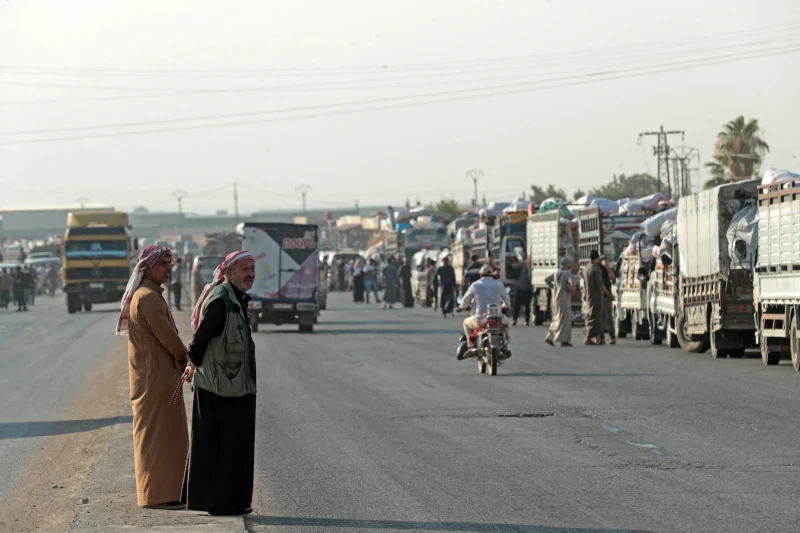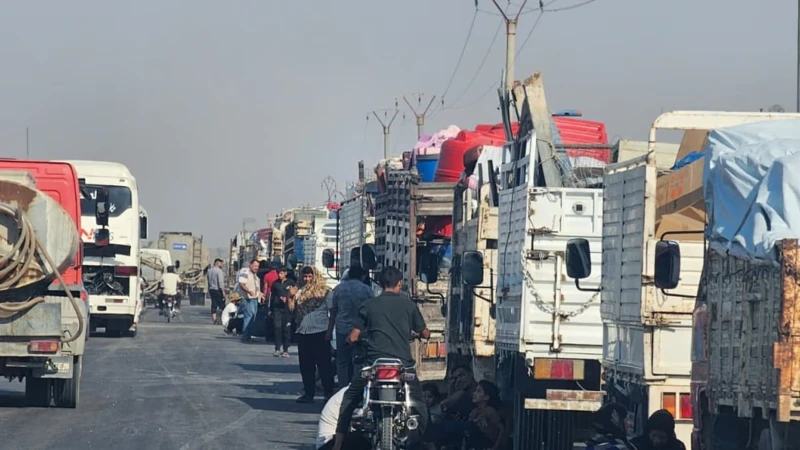
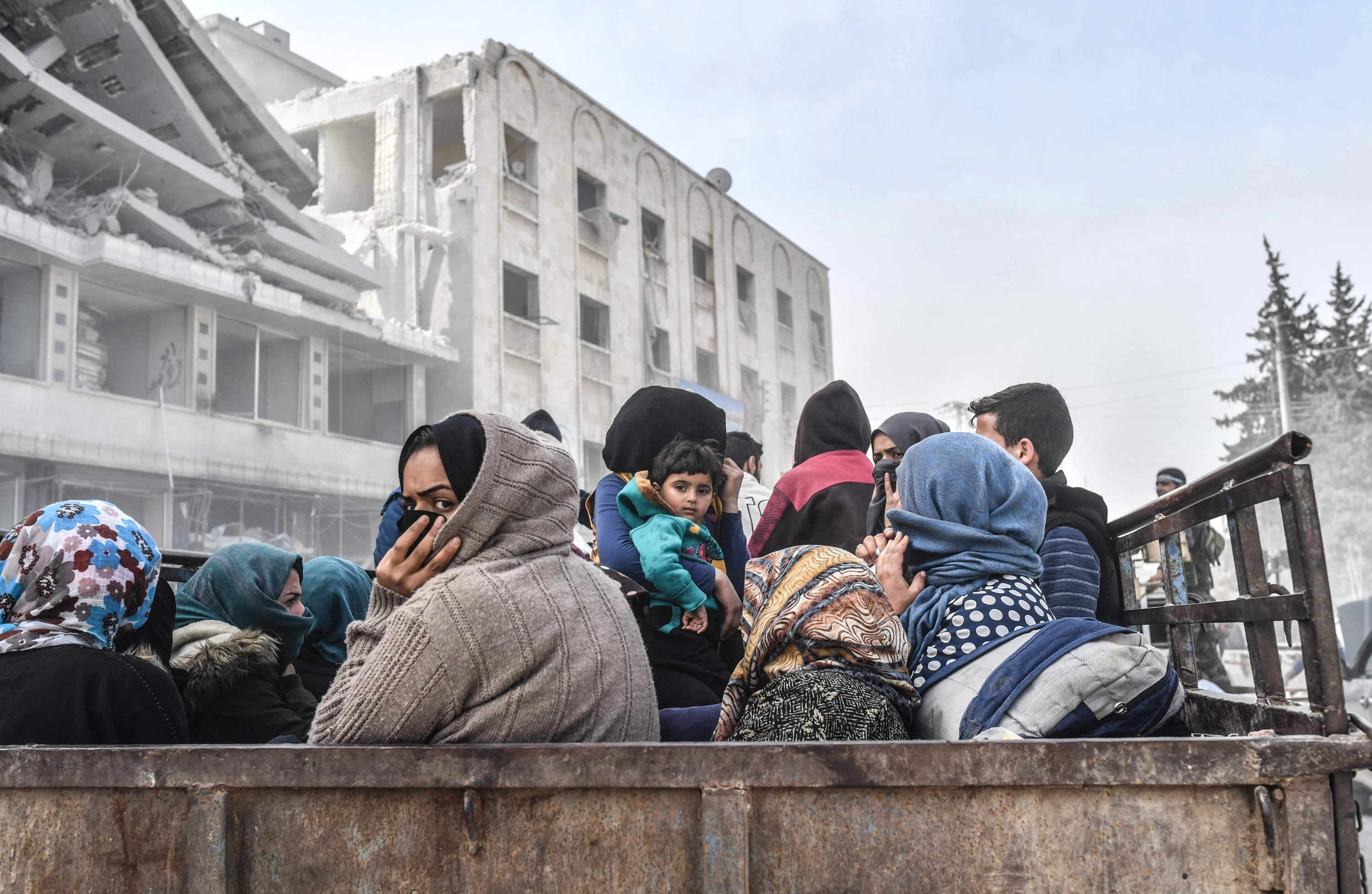
ERBIL, Kurdistan Region of Iraq – The spokesperson for the Syrian presidential team overseeing the January agreement between Rojava and Damascus said Wednesday that a convoy of about 1,500 displaced families from Afrin will depart within the next 24 hours from Qamishli to their villages and towns in Afrin, calling it the end of “exceptional security measures” related to their repatriation.
Earlier in May, a convoy of about 1,200 displaced families originally from Afrin departed from Hasaka toward their home villages and towns under the terms of a January 29 agreement between the Syrian Democratic Forces (SDF) and Damascus.
The agreement called for a phased integration of Kurdish-led forces into the Syrian state following weeks of clashes. However, the deal has yet to be finalized.
One point of the January agreement is the return of internally displaced persons (IDP), including Kurdish civilians that were displaced by Turkish offensives in 2018 in Afrin and in 2019 in Sari Kani (Ras al-Ain) and Gire Spi (Tal Abyad).
“A convoy of about 1,500 displaced families from Afrin will depart from the city of Qamishli, heading towards their villages and towns in the Afrin,” Ahmad al-Hilali, spokesperson for the Syrian presidential team overseeing the January agreement, said on Wednesday, as cited by Hasaka Media Directorate.
“There are no longer any exceptional security measures related to the return of the people of Afrin,” Hilali said, adding that “those who remain can return whenever they wish.”
“A number of families from Afrin preferred to stay in Hasaka Province due to their work commitments and their desire to settle in the region,” Halili said.
Thousands of Arab IDPs from other areas in Syria settled in the Kurdish-majority region of Afrin after the Turkish takeover in 2018. But after the fall of the Assad regime in December 2024, many returned to their original areas.
Despite this, there are still thousands of non-Kurdish IDPs who refuse to leave Afrin, occupying houses of native Kurds from Afrin.
Regarding the SDF-linked detainees held by Damascus, he added that “a final census of them is currently underway,” which is expected to be released before Eid al-Adha.
Earlier in May, SDF commander Sipan Hemo, who also serves as assistant defense minister for the eastern region, criticized Damascus for not releasing all detainees from Rojava, despite promises they would be freed at the end of Ramadan in March.
Unofficial estimates put the number of remaining detainees at between 600 and 900, including both military personnel and civilians captured during January clashes between Damascus and the SDF.
 Facebook
 LinkedIn
 Telegram
 X
X