ERBIL, Kurdistan Region of Iraq – Iran on Thursday executed two Kurdish citizens for alleged membership in “separatist terror groups,” and aiming to conduct an “armed uprising,” the judiciary reported, amid a recent spike in executions linked to national-security related charges.
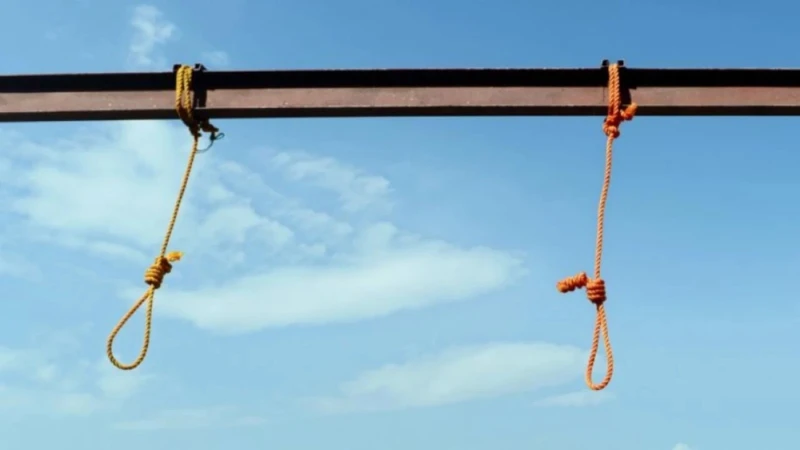
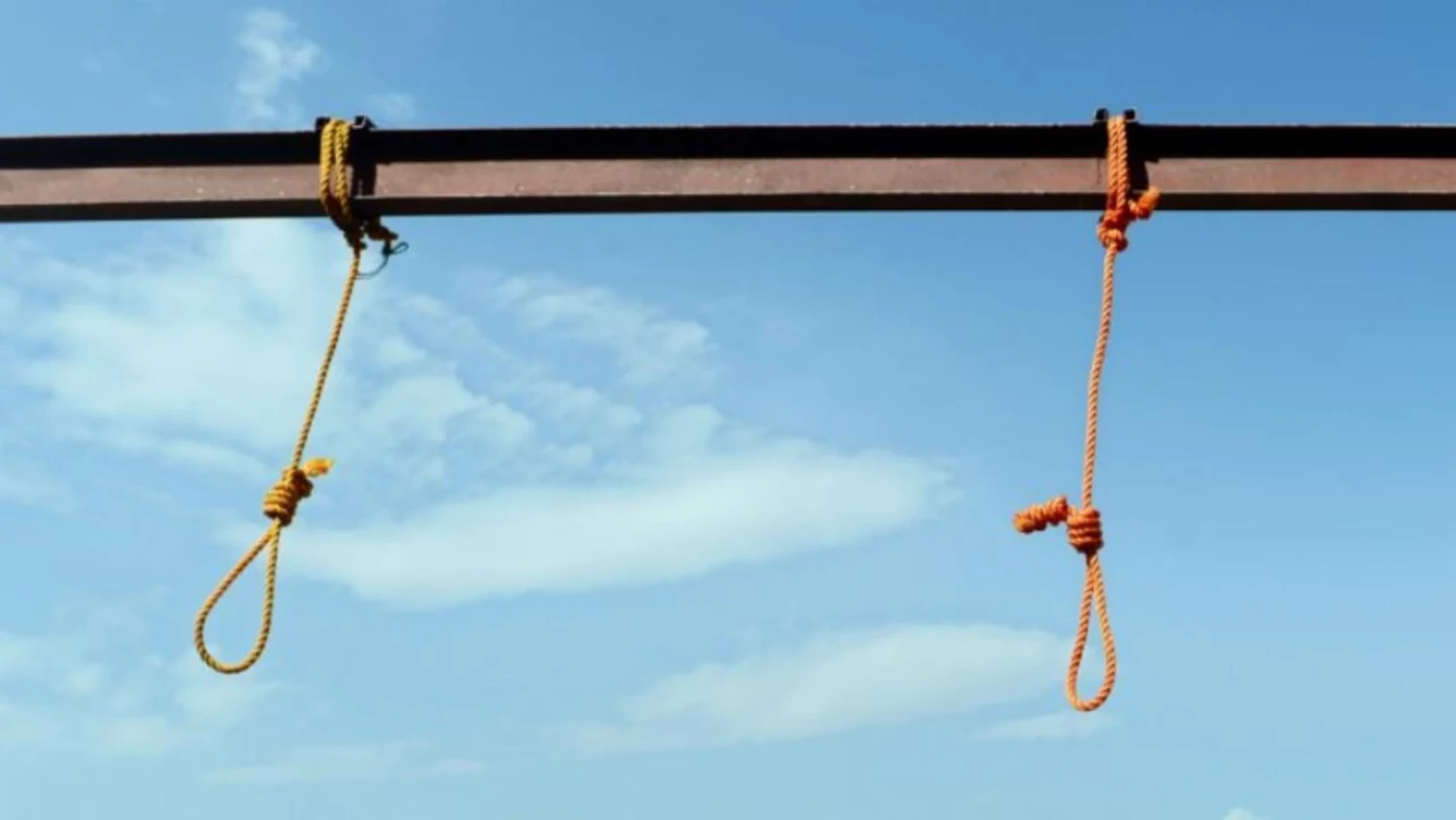
The two persons, Ramin Zelleh and Karim Marufpour, “were hanged for the crimes of membership in separatist terrorist groups,” the judiciary’s Mizan Online website said.
It further accused the individuals of forming a group aimed at “disrupting the security of the country” and carrying out an “armed uprising through the formation of criminal groups,” as well as the assassination of Iran’s Islamic Revolutionary Guard Corps (IRGC) officials.
According to Mizan, the two men confessed to possessing weapons intended for armed operations, targeting IRGC bases, and carrying out assassinations.
Iran has a long history of broadcasting alleged confessions from detainees that are widely believed to be coerced, often obtained through threats, psychological pressure, and, in some cases, physical torture.
The two men were accused of belonging to the Kurdistan Democratic Party of Iran (KDPI), a prominent Kurdish opposition group, according to Oslo-based Hengaw Organization for Human Rights. They were “secretly” hanged in the Naghadeh Central Prison, without prior notice to their families or granting them a final visit.
The term “separatist” is often used by the Islamic Regime to describe Iranian Kurdish opposition groups who are opposed to the regime’s policies and persecution against the Kurdish minority in the country.
The groups mainly reside in political camps in the Kurdistan Region, which have been subjected to hundreds of airstrikes by the Iranian military and the IRGC since the onset of the war, including after the declared and extended ceasefire.
Hengaw noted accusations of belonging to a separatist party are “repeatedly leveled by the Islamic Republic of Iran's judiciary against political activists, particularly in Kurdistan, based on forced confessions obtained under torture,” further dubbing the executions “a continuation of the government's systematic crimes against Kurdish political activists and a clear example of state killing.”
The country has witnessed a record high rate of executions recently, with the US-Israeli war on Iran that started late February, and the nationwide January protests.
According to HRANA, Iran reported that more than 240 forced confessions were broadcast during the January protests. Meanwhile, more than 20 individuals were executed since the onset of the war in the Middle East, the UN human rights office reported.
Days prior, Amnesty International published its 2025 annual report on the use of the death penalty worldwide, with global executions surging to their highest level in over four decades, driven largely by Iran.
According to the report, Iranian authorities carried out at least 2,159 executions, more than double the previous year and the highest figure recorded in the country in decades. Iran alone accounted for around 80 percent of all recorded executions worldwide.
 Facebook
 LinkedIn
 Telegram
 X
X