ERBIL, Kurdistan Region of Iraq – Iran’s judiciary on Thursday summoned the editor-in-chief of the state-run IRNA news agency after a photostory featuring a woman not wearing a hijab triggered widespread public reaction, with critics accusing it of promoting a state narrative amid ongoing anger over victims of the Islamic Republic’s strict hijab laws.
On Tuesday, IRNA published a photo story that once again sparked public controversy over compulsory hijab laws and state narratives promoted by the government, which faced a dead end due to resistance from hardliners within the Islamic Republic of Iran.
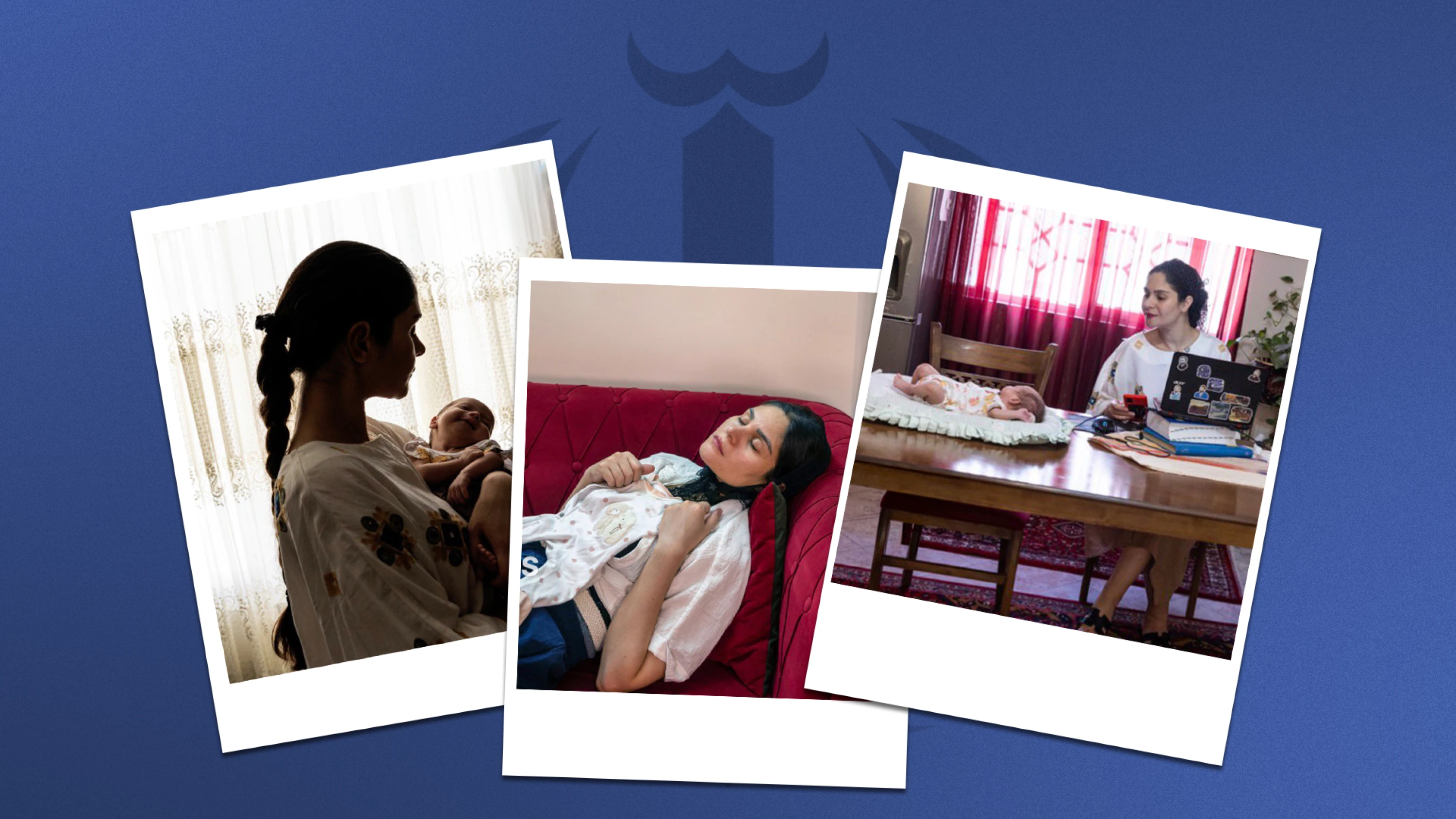
The photo story followed 37-year-old Tehran resident and writer Sara Kanaani, who claimed she adopted an orphaned newborn during the recent war as a single woman and was later forced to give up the child so the baby could find a future family.
The story was published without Kanaani adhering to the compulsory hijab and headscarf regulations typically enforced in Iran, raising controversy.
As public criticism intensified, IRNA removed the most controversial photos of Kanaani, which showed her in a typical appearance seen in Tehran’s daily life but rarely displayed on a state-run platform.
“Following the publication of images of a woman by the IRNA news agency without observing the country's Islamic laws and regulations, the director in charge of this media outlet was summoned to the Culture and Media Prosecutor's Office to provide explanations,” the Judiciary’s Mizan outlet reported on Thursday.
IRNA was also ”warned at the same time of publication to remove the content,” it added.
Public reaction soon followed, with many accusing the story of being another state-driven narrative, naming many victims of the Islamic Republic’s enforced laws firsthand, such as Zhina (Mahsa) Amini, a young Kurdish woman dying in police custody in 2022 after being arrested for allegedly not covering her hair sufficiently with her hijab.
Kanaani was later heavily criticized by the public after old social media comments resurfaced in which she appeared to blame Mahsa Amini and other victims of the government for the fate imposed on them.
Unconfirmed documents circulating on social media led to claims that the model herself is affiliated with the state, leading to further criticism of the perceived hypocrisy of her participation in the photostory itself.
Following the recent war and the January nationwide protests, the Islamic Republic, notorious for its draconian modesty laws, has increasingly shown footage of women flouting hijab regulations in public at pro-government rallies.
Tehran has been trying to contain anti-government outrage that has persisted since the January crackdown on protesters and the subsequent war.
In mid-February, Amini’s father, Amjad, whose daughter’s death in Iran’s police custody over her lax hijab sparked one of the largest nationwide protests in the country, criticized the Iranian government for broadcasting women with loose hijabs during pro-government rallies.
“They killed my innocent daughter because of four strands of hair, and no one was held accountable. Yet when they film girls with uncovered heads and what they call ‘unconventional’ clothing at official ceremonies and broadcast it, no one cries out, ‘Oh Islam!’ This is a strange time we live in,” Amini wrote on his social media account.
 Facebook
 LinkedIn
 Telegram
 X
X