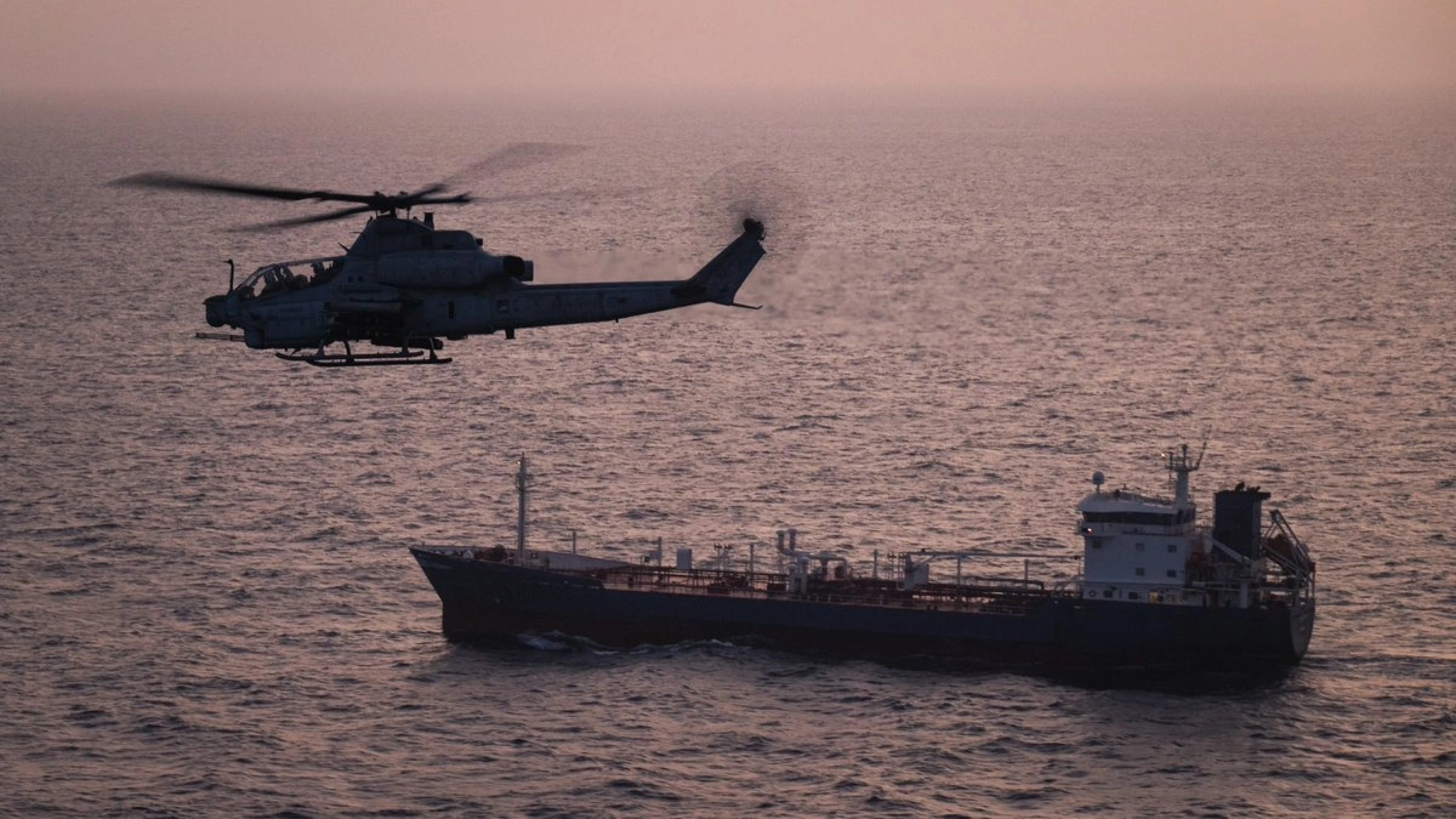
ERBIL, Kurdistan Region of Iraq - The US Central Command (CENTCOM) on Saturday said it has redirected 100 commercial vessels since enforcing the naval blockade on Iranian ports.
“Our service members are doing extraordinary work,” said CENTCOM chief Brad Cooper. “They have been highly effective by executing the mission with precision and professionalism, allowing zero trade into and out of Iranian ports which has squeezed Iran economically.”
On April 13, the US military announced that it would begin blocking sea traffic to Iranian ports after a tenuous round of peace talks in Islamabad failed to produce an agreement.
The decision came as Iran had already closed the Strait of Hormuz, a key waterway responsible for the transport of roughly 20 percent of the world’s oil.
Tehran has also recently approached Oman to enforce a taxing system on the strait, a move largely condemned by world leaders stressing navigation freedom in the international waterway.
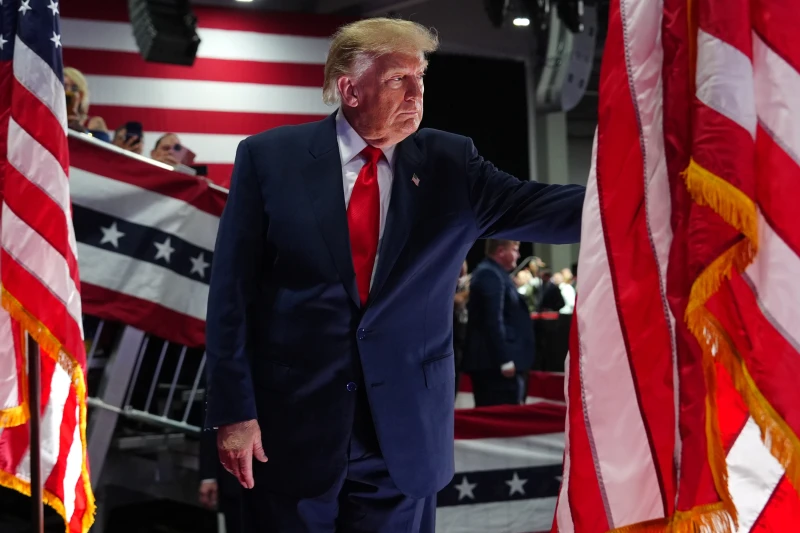
According to US President Donald Trump, the naval blockade costs Iran $500 million a day.
The naval blockade and closure of the strait have also led to skirmishes that have threatened the already-shaky ceasefire between the two countries.
Earlier this month 10 sailors were injured and five others went missing in a clash between Iranian and US forces in the strait, with both sides trading blame for the escalation.
Negotiations between Washington and Tehran have stalled since the ceasefire began, as both sides continue sending proposals back and forth with Iran calling US demands excessive and Washington dubbing Iran’s unacceptable.
The latest proposal by Iran was sent on Saturday, with foreign ministry spokesperson Esmail Baghaei saying they have worked to converge demands from the two warring sides.
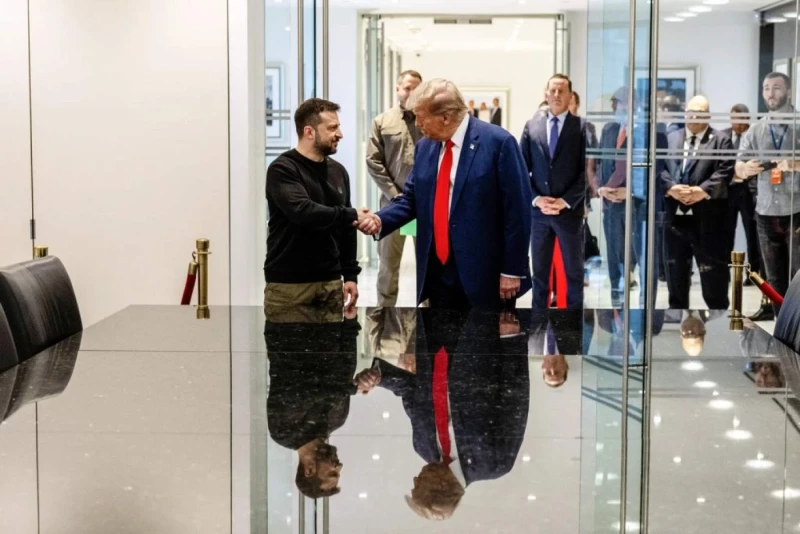
Hours after Baghaei’s comments, Trump told Axios he would meet US Special Envoys Steve Witkoff and Jared Kushner later in the day to review the latest draft, adding it was a “solid 50/50” whether he would make a deal or “blow them to kingdom come.”
If an agreement is reached, the two sides would then have 30 days to hold more in-depth talks.
 Facebook
 LinkedIn
 Telegram
 X
X