ERBIL, Kurdistan Region of Iraq – Influential Iraqi Shiite cleric Muqtada al-Sadr on Wednesday slammed recent remarks by British Ambassador to Baghdad Irfan Siddiq, who claimed that Western powers gave Iraq’s rule to the Shiites.
The British diplomat claimed in an interview on local television aired on Tuesday that the Americans and the British “changed the system” in Iraq in 2003 after toppling former Iraqi dictator Saddam Hussein, and “introduced Shiite rule.”
Siddiq said that the British have “encouraged, supported, and assisted” Shiite governments in Iraq. “Why is there the idea that the West is against the Shiites?” the ambassador posed.
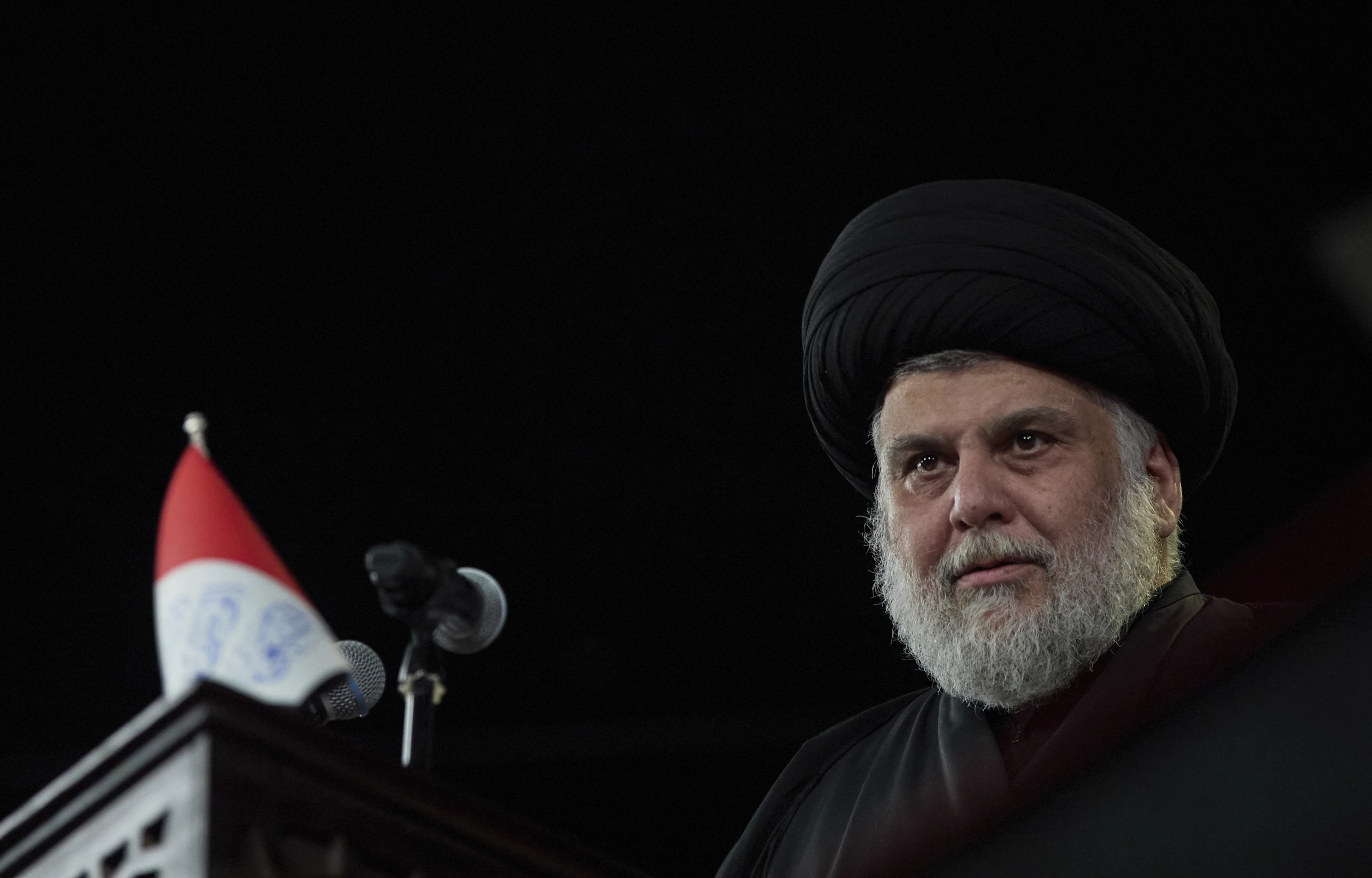
In a statement on Wednesday, Sadr said he was “angered and saddened” by the British ambassador’s remarks.
A US-led invasion of Iraq in 2003 led to the fall of Saddam Hussein. Britain, alongside many Western powers, was an integral part of the global coalition that ushered in the former dictator’s ouster.
“By God, we were the ones who brought down the accursed Saddam with the blood of the al-Sadr family and their supporters, and God is our witness,” Sadr said, adding that had it not been for the Sadrist Movement’s opposition, the international community would not have been aware of the Iraqi street’s disdain for the former dictator’s regime.
“London was and remains a fertile breeding ground for Baathists, infiltrators, and even enemies of religion, sect, and homeland, and their media outlets bear witness to this,” the influential cleric further noted, calling on the UK to “hand them all over” to Iraq as soon as possible.
Sadr said that had it not been for Britain’s opposition to the recent US-Israeli policies in the region, the diplomat’s words would have required an apology “according to diplomatic protocols.”
The US, UK, and other Western powers have time and again criticized Iranian interference in Iraq’s affairs, particularly through a network of Shiite armed factions that loosely fall under Iraq’s Popular Mobilization Forces (PMF), an institutionalized state body that contains many factions operating under Iran’s hegemony.
In his interview, Siddiq called on Iraqi Prime Minister Ali al-Zaidi to rein in such factions, and exert Iraq’s sovereignty across its entire territory, saying that the UK will be willing to deal with the PMF, provided it is fully under state control.
Earlier in May, Sadr expressed his willingness to hand over his armed faction Saraya al-Salam’s weapons to then-Prime Minister-designate Zaidi’s government, saying that any other group that does not follow suit “should be considered outside the law.”
The prominent Shiite figure also called on Zaidi at the time to “completely exclude” any politician affiliated to an armed group from his cabinet selection.
 Facebook
 LinkedIn
 Telegram
 X
X