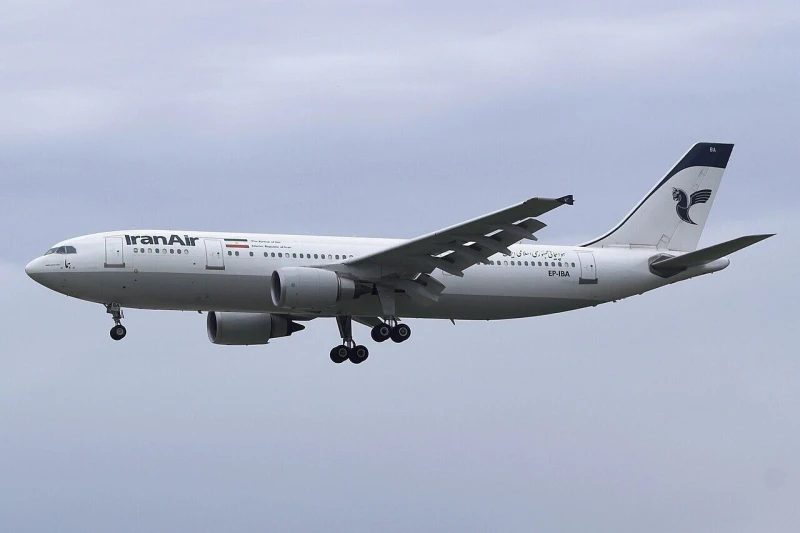
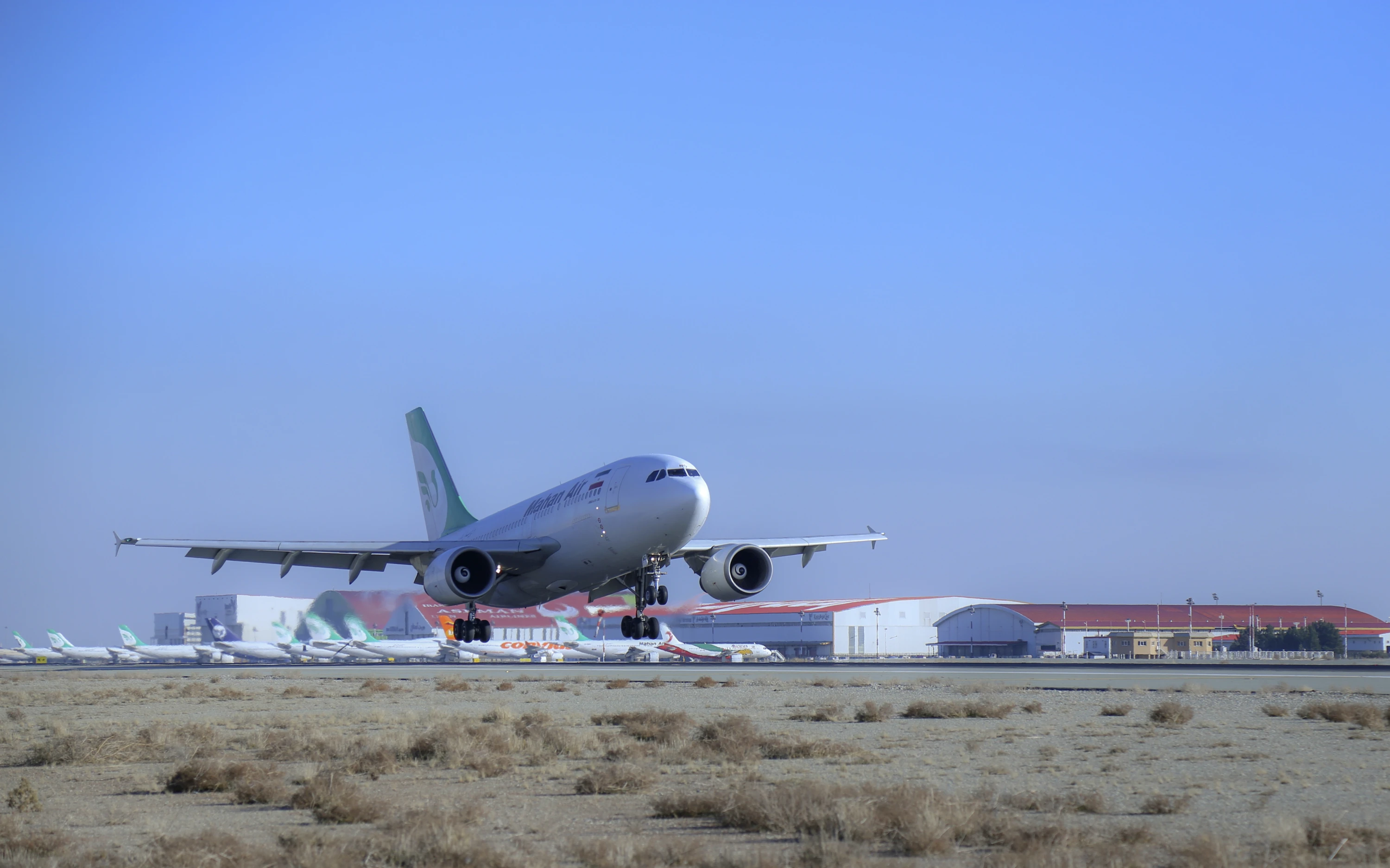
ERBIL, Kurdistan Region of Iraq - US Treasury Secretary Scott Bessent on Thursday said Washington will shut down Iranian airlines’ access to landing spots as part of its ongoing pressure campaign against Tehran, adding that ticket sales and refueling operations will also be clamped down on.
"Forming a Wall of Steel, the U.S. Naval Blockade has ensured a record low amount of Iranian crude on the water. We will also be shutting down both Iranian airlines’ access to landing spots, refueling, and ticket sales," Bessent wrote on X, with no additional details being supplied as to how exactly Washington intends to implement the measures against commerical airlines.
"Only a satisfactory outcome in negotiations will end the downward spiral," he asserted.
Since the US-Israel war with Iran started in late February, Tehran has closed the Strait of Hormuz, a key waterway responsible for the transport of roughly 20 percent of the world’s oil, sharply driving up global oil prices.
In response, the US imposed a naval blockade on Iranian ports, which US President Donald Trump says costs Iran $500 million daily.
The two sides reached a ceasefire in April when they also held a round of talks in Islamabad that resulted in no deal.
Since then, the two sides have sent proposals to continue peace talks back and forth, with Tehran calling Washington’s demands excessive and Washington dubbing Tehran’s unacceptable.
Earlier on Saturday, US President Donald Trump said that an agreement was "largely negotiated" with the Iranian side and awaited finalization, following a series of indirect negotiations through Pakistani mediators.
Although the ceasefire largely stopped hostilities between the warring sides, flare-ups in the Strait of Hormuz have led to minor clashes.
Tehran and Washington exchanged fire overnight after the US said it carried out defensive strikes in southern Iran against sites it said were preparing for an imminent attack, while Tehran said it responded by striking a US base in the region.
Tehran has also approached Oman to impose a tax on ships passing through the strait, a move largely condemned by world leaders, stressing freedom of navigation in the international waterway.
“Iran’s Persian Gulf Strait Authority (PGSA) is a joke, and today Treasury has sanctioned it. We have warned any corporate or state entities against paying tolls or hiding them as aid payments,” Bessent said.
 Facebook
 LinkedIn
 Telegram
 X
X