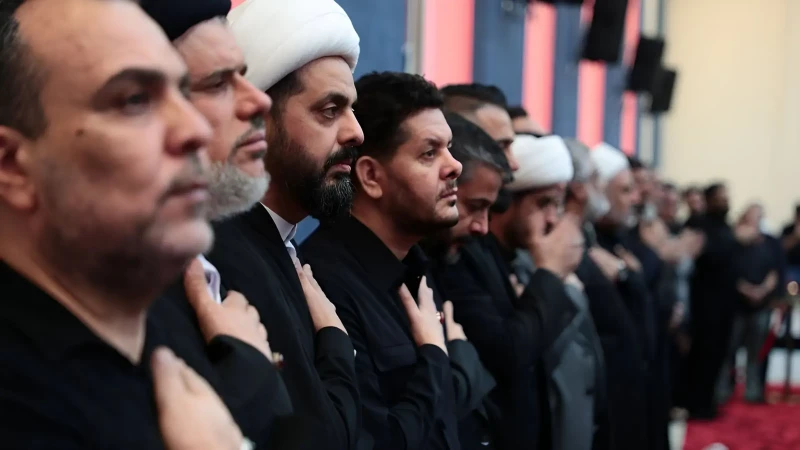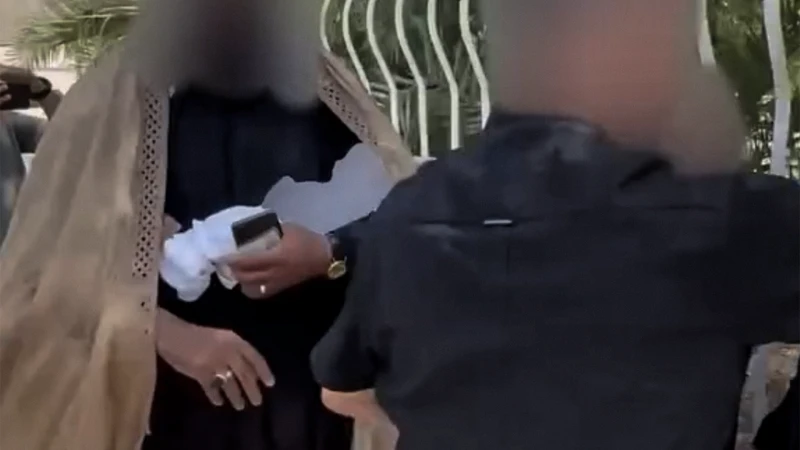
ERBIL, Kurdistan Region of Iraq - Iraq’s pro-Iran Harakat Ansar Allah al-Awfiya (HAAA) announced Thursday the killing of senior commander Uday Mohsen Jabbar al-Halfi, known as Sheikh Taqi, in what it described as an “assassination operation” orchestrated by the US and Israel that also wounded another fighter.
The Iran-aligned group blamed “Zionist-American intelligence services” for the attack in and called on Iraqi authorities to “open an urgent investigation to uncover those responsible and bring them to justice,” warning against turning Iraq into “an arena for settling scores.”
In a statement mourning Halfi, the faction described him as a senior resistance commander who fought US forces after the 2003 invasion of Iraq and later participated in battles against the Islamic State (ISIS).
It said he was killed in a “treacherous criminal act,” while another fighter, identified as his brother, was wounded and remains hospitalized.
The group said the attack aimed to destabilize Iraq and fuel sectarian tensions, accusing foreign intelligence services of seeking to weaken armed factions aligned with the so-called Islamic resistance in Iraq.
HAAA urged the Iraqi government and judicial and security authorities to investigate the incident “at the highest levels” and hold those behind it accountable, while stressing the need to prevent Iraq from becoming a battleground for regional and international conflicts.
The faction also vowed that the killing would not deter its activities, saying its members would continue “on the same path” as the slain commander.
The statement comes nearly a month after the US State Department announced a reward of up to $10 million for information on Haydar Muzhir al-Saidi, known as Haider al-Gharawi, the secretary-general of HAAA, accusing the Iran-backed group of carrying out attacks on US diplomatic facilities and military personnel in Iraq, Syria, and Jordan.
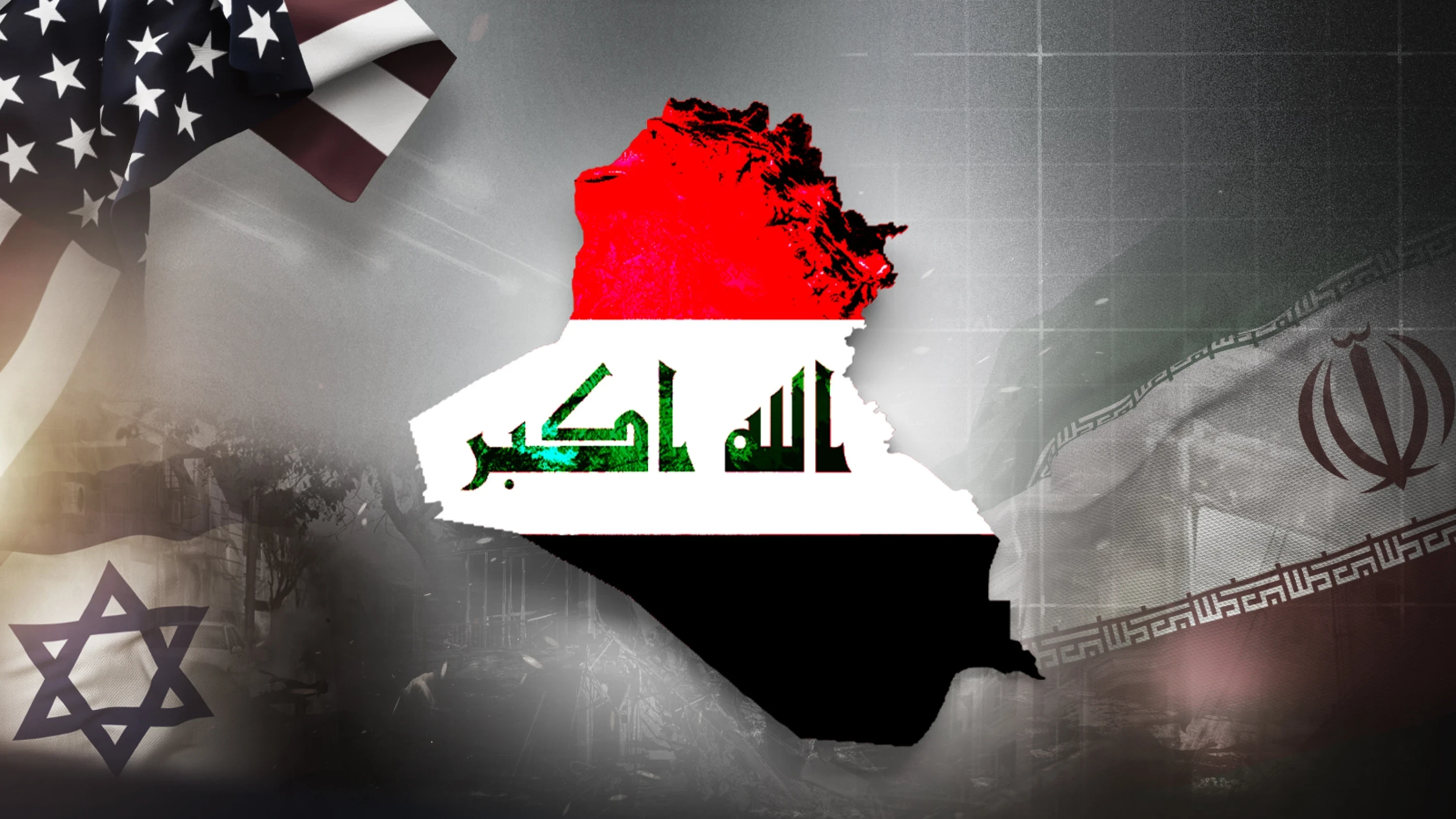
Washington said members of the faction were involved in operations that killed US servicemembers, coming as pro-Iran factions repeatedly targeted US diplomatic, military, and economic interests in Iraq and the Kurdistan Region during the US-Israeli war on Iran.
The group later condemned the US move as a “declaration of defeat,” while Washington has continued increasing pressure on Iran-aligned factions in Iraq through sanctions and rewards targeting militia leaders.
Despite being formally integrated into Iraq’s Popular Mobilization Forces (PMF), many armed groups maintain close ties to Iran and have repeatedly been accused by the US of operating outside full state control.
 Facebook
 LinkedIn
 Telegram
 X
X