ERBIL, Kurdistan Region of Iraq - Iraq on Monday welcomed the recent landmark memorandum of understanding between the US and Iran, expressing hope that it will “contribute to strengthening regional security and stability and open new avenues for understanding and cooperation in the region.”
Pakistani Prime Minister Shehbaz Sharif early Monday announced that a “peace deal” has been reached between Tehran and Washington, and that the accord, which seeks a permanent end to the conflict, will be signed in Geneva on Friday.
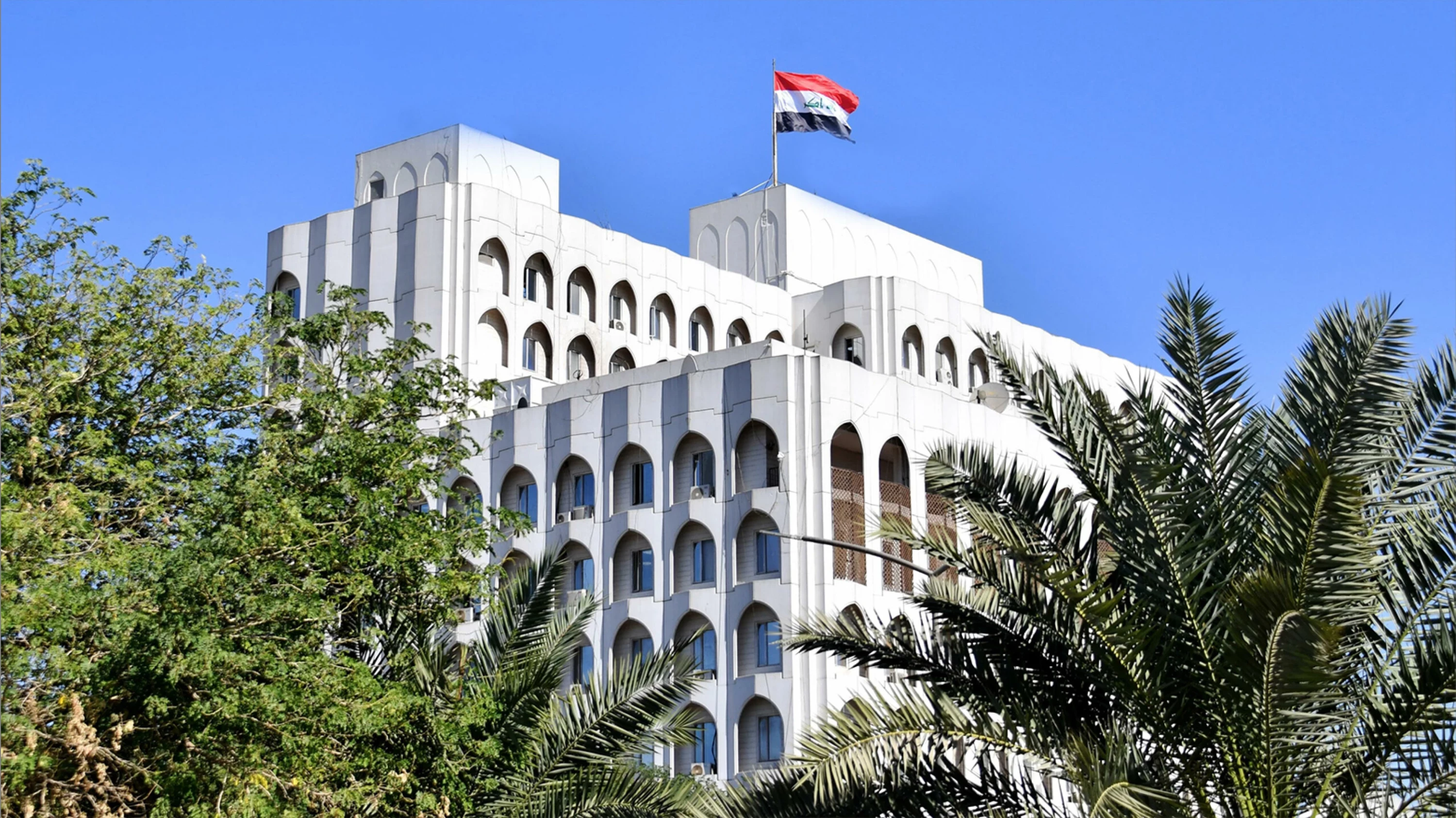
The Iraqi foreign ministry in a statement congratulated the governments and peoples of both Iran and the US on the agreement and voiced hope that it would help bring a permanent end to the war.
The foreign ministry said Iraq’s position has always been based on “rejecting war and adopting dialogue and peaceful means as the only path to resolving disputes,” adding that Baghdad closely followed the negotiations and efforts that led to the agreement.
The statement also congratulated Pakistan and Qatar for their mediation efforts and support for the negotiation process that resulted in the end of military operations.
“Iraq has suffered greatly from the repercussions of conflicts and wars in the region,” the ministry said, stressing the importance of increasing international and regional efforts to prevent escalation and avoid new confrontations.
The foreign ministry also welcomed the expected reopening of the Strait of Hormuz to maritime traffic, saying the move is important for ensuring the smooth flow of oil and gas to global markets and supporting stability in international energy markets.
Iraqi Foreign Minister Fuad Hussein on Monday held a phone call with his Iranian counterpart Abbas Araghchi, where Hussein stressed the need to work towards “a complete end to the state of war.”
The US-Israel war on Iran and the subsequent restrictions on the Strait of Hormuz have greatly impacted Iraq’s income generation, which heavily relies on oil exports, sparking fears that the country would face a financial crisis and fail to provide monthly salaries to its civil servants.
Earlier this month, Hussein warned that a financial catastrophe awaits Iraq if the conflict continues until the end of the year.
Iraq was the only country to see attacks carried out by both sides of the conflict on its soil, as the US and Israel targeted positions of Iran-aligned militia groups which were conducting daily attacks on US interests in Iraq, the Kurdistan Region, and Gulf countries.
 Facebook
 LinkedIn
 Telegram
 X
X