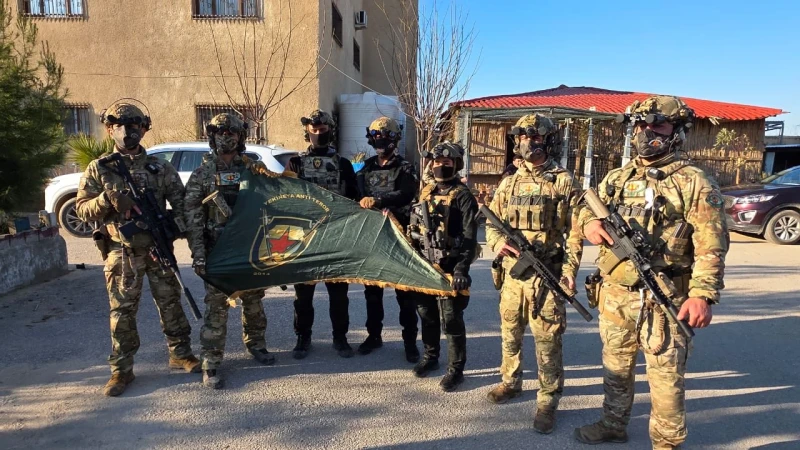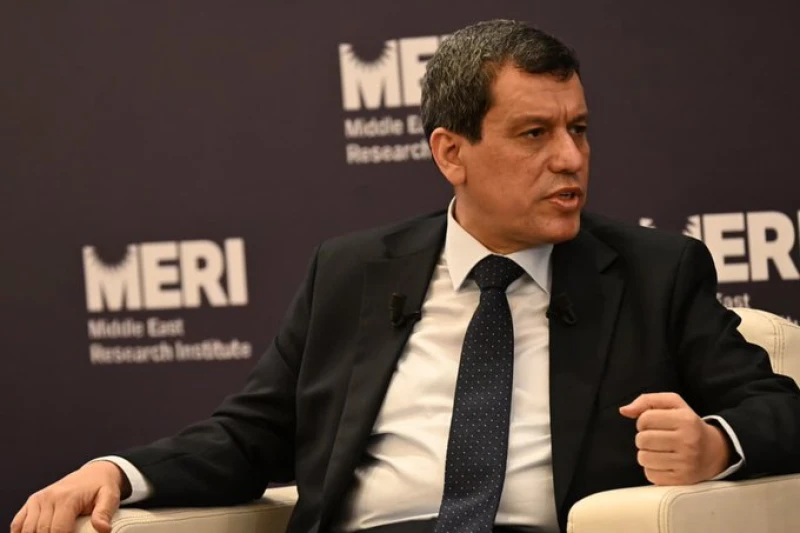
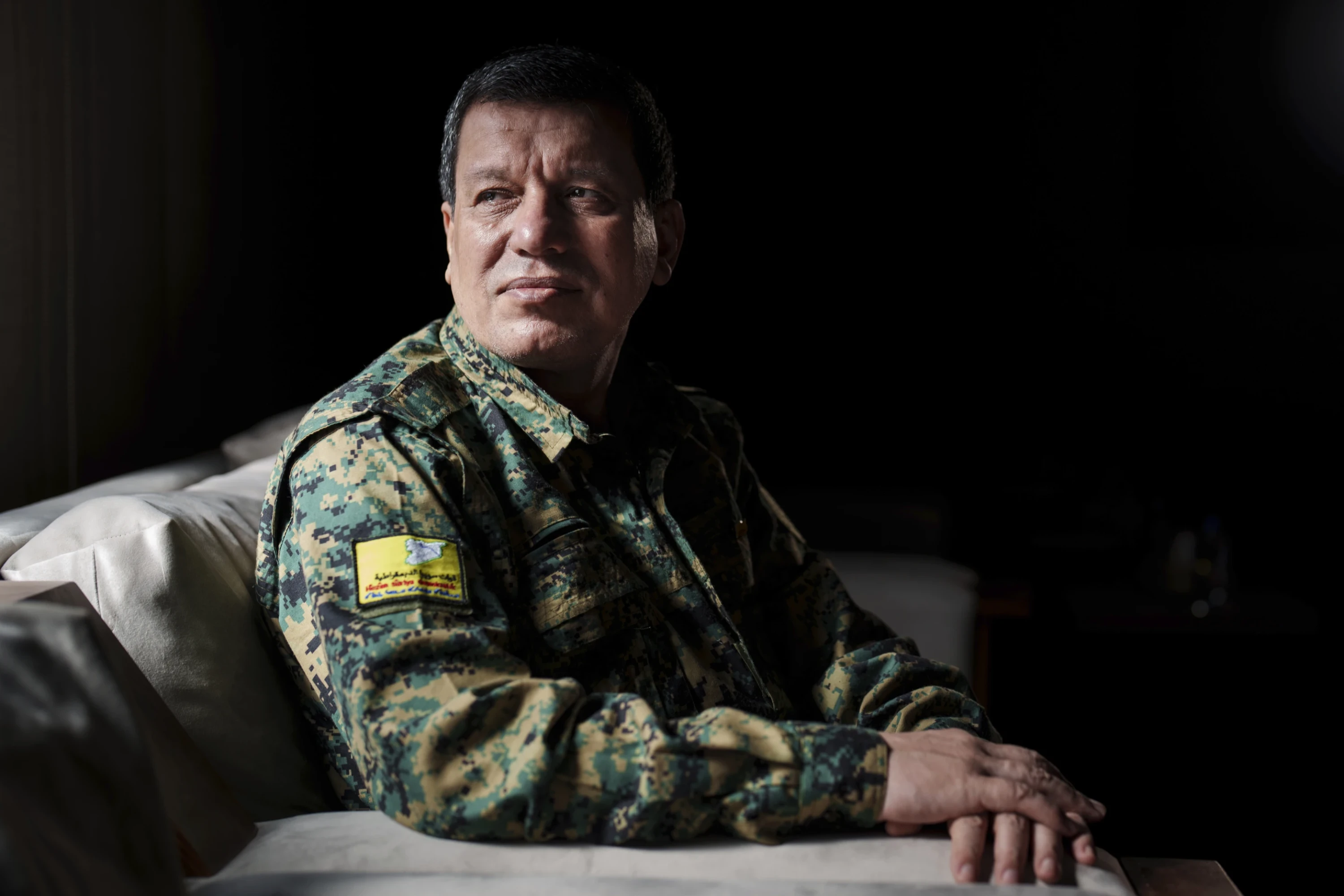
ERBIL, Kurdistan Region of Iraq – Syrian Democratic Forces (SDF) chief Mazloum Abdi is in Europe to ask Italy and France to pressure Damascus to grant Kurdish rights by implementing a January integration agreement, a well-informed source from Rojava (northeast Syria) told The New Region on Thursday.
Rojava-affiliated media reported late Wednesday that Abdi is set to meet French foreign ministry officials at the Elysee palace in Paris on Thursday. The report added that Abdi arrived in Italy on Tuesday as part of a European tour for meetings with officials over the integration process between the SDF and Damascus, as well as broader security issues in Syria.
“The meetings in Italy and France … are to ask the European societies to put pressure on the Damascus administration to implement the provisions of the January 29 agreement,” and ensure Kurdish rights are included in the deal, Baqi Hamza, a member of the Syrian Democratic Council's (SDC) foreign and general relations committees, told The New Region.
On January 29, the SDF reached an agreement with Damascus for a phased integration process of the Kurdish-led forces into the Syrian state following weeks of clashes. However, the agreement has yet to be finalized.
The offensive, aimed at advancing interim President Ahmed al-Sharaa’s vision of a centralized Syria, comes despite repeated calls from marginalized minorities for a federal system.
The Kurdistan Region's leadership played a key role in mediating the agreement that halted the clashes between Damascus and the Kurdish-led SDF in northern and northeast Syria.
“If it wasn’t for the south’s [Kurdistan Region] support, especially during the fighting, we would not have been here now,” Hamza said.
On Tuesday, Abdi held high-level meetings with Kurdistan Region President Nechirvan Barzani and US envoy to Syria and Iraq Tom Barrack in Erbil, where they discussed “Kurdish-Damascus cooperation” and Erbil’s support for stability in Syria.
“The protection of the rights of Kurds and other communities” was raised by Barzani, emphasizing the necessity of dialogue in Syria.
“We want a Syria where all the different peoples and political forces participate,” the official said.
In January, Sharaa issued a decree affirming the linguistic and political rights of the Kurds, but concerns were raised as ruling Rojava parties said it fell short of the recognition of Kurdish rights.
Despite initiatives from Damascus, several incidents have sparked protests among Kurds in Rojava, including the removal of Kurdish language from government office signs.
Similar concerns, such as limited Kurdish women’s representation and the absence of Kurdish party flags in official meetings, have increased public unease.
Although the SDF source described the Damascus decree as “signing the Kurdish achievements into law,” concerns appear to persist among some segments of Kurds in Rojava.
Updated at 21:20 to include the SDC source's name
 Facebook
 LinkedIn
 Telegram
 X
X