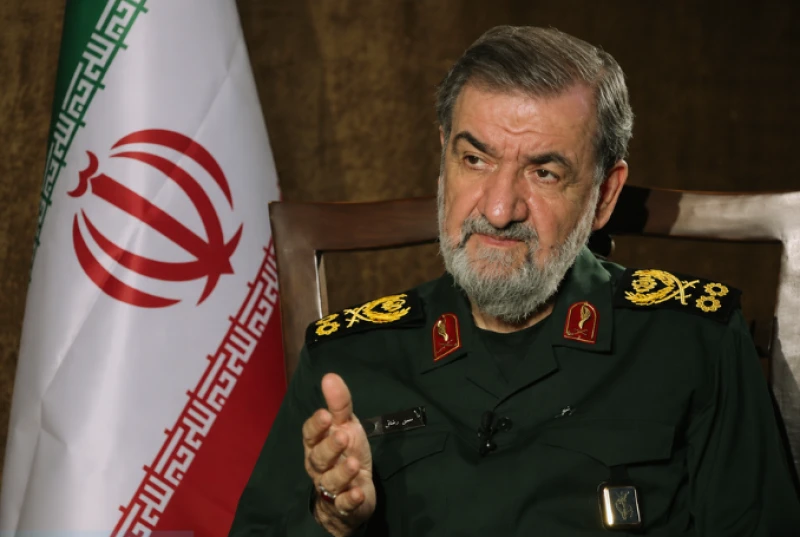
ERBIL, Kurdistan Region of Iraq – Media affiliated with Iran’s Islamic Revolutionary Guard Corps (IRGC) on Saturday said there is “no justification or necessity” for talks between Iranian and US officials in Switzerland and called on Tehran to “completely close” the Strait of Hormuz, citing what it described as Israeli violations of the ceasefire in southern Lebanon.
Following reports of a possible meeting between Iranian Foreign Minister Abbas Araghchi and US Special Envoy Steve Witkoff in Geneva, the IRGC-affiliated Tasnim News Agency reported, “Fortunately, this has not been confirmed by Iranian officials so far.”
“This meeting has no justification or necessity,” the report, which served as a matter of editorial expression for the outlet, which is intimiately tied to the IRGC, without citing the state body itself.
Tasnim argued that the recently signed agreement between Washington and Tehran “has been officially and publicly violated by the widespread atrocities committed by the Israelis in southern Lebanon.”
On Friday, Hezbollah and Israel exchanged heavy fire despite an agreement signed by Washington and Tehran, which includes a ceasefire across all fronts, including Lebanon.
Lebanon’s health ministry said at least 47 people were killed in Israeli strikes on Friday, with dozens more perishing the day after, while the Israeli military said four of its soldiers were killed in combat with Hezbollah the previous night.
Tasnim also argued that many other provisions of the agreement have yet to be implemented, suggesting that “no action should be taken” by Iran.
US President Donald Trump and Iranian President Masoud Pezeshkian remotely signed the agreement early Thursday. The deal calls for a total ceasefire, the reopening of the Strait of Hormuz, and negotiations toward a final settlement within 60 days.
Following Friday’s clashes, Israel and Hezbollah agreed to renew the ceasefire. Despite this, clashes continued into Saturday, including an Israeli strike that killed a Lebanese soldier.
“The negotiating authorities should not only suspend any talks, but also completely close the Strait of Hormuz before it is too late,” Tasnim said.
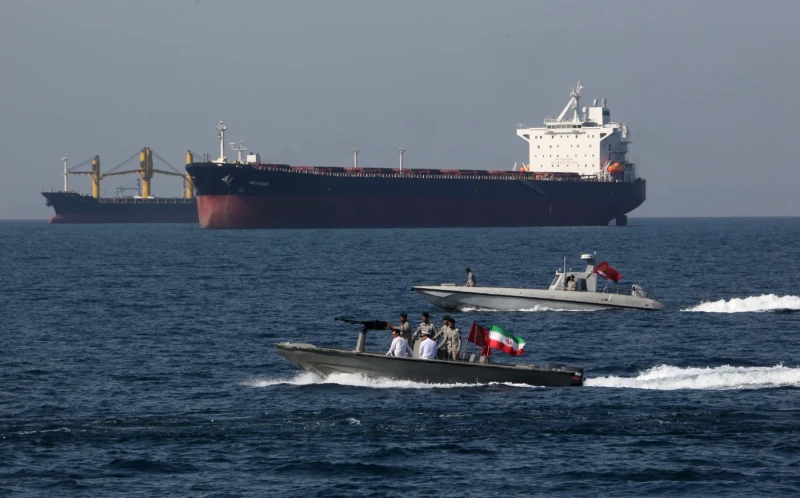
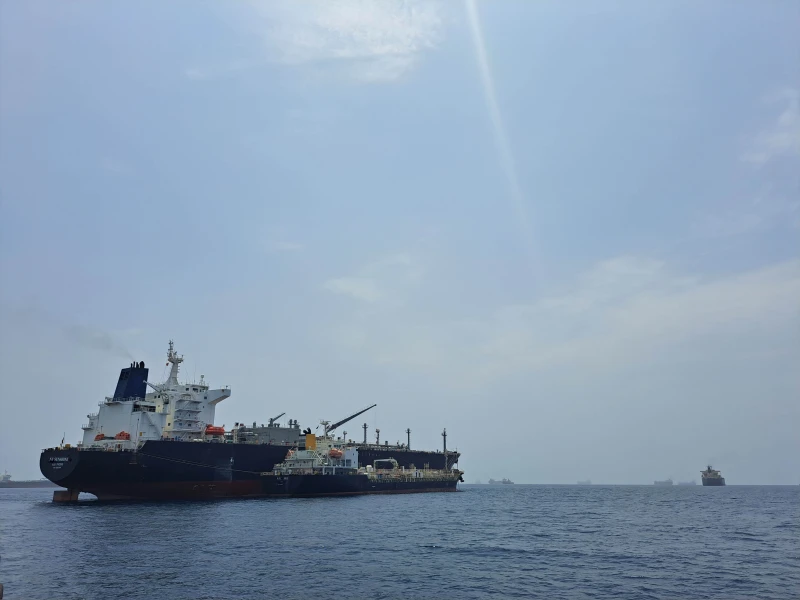
Since US-Iran negotiations began in early April, the Strait of Hormuz has remained a central point of contention, with both Tehran and Washington imposing maritime restrictions in and around the strategic waterway.
On Friday, Tehran announced that no transit fees would be charged for vessels passing through the Strait of Hormuz for the next 60 days under the US-Iran agreement, while requiring ships to provide 48 hours' advance notice before transiting the waterway.
 Facebook
 LinkedIn
 Telegram
 X
X