ERBIL, Kurdistan Region of Iraq –The Kurdish-led Syrian Democratic Council (SDC) on Wednesday voiced concern over Syria’s worsening economic conditions, which it attributed to a “closed political structure” and a lack of meaningful reforms, amid protests spreading across Rojava (northeast Syria).
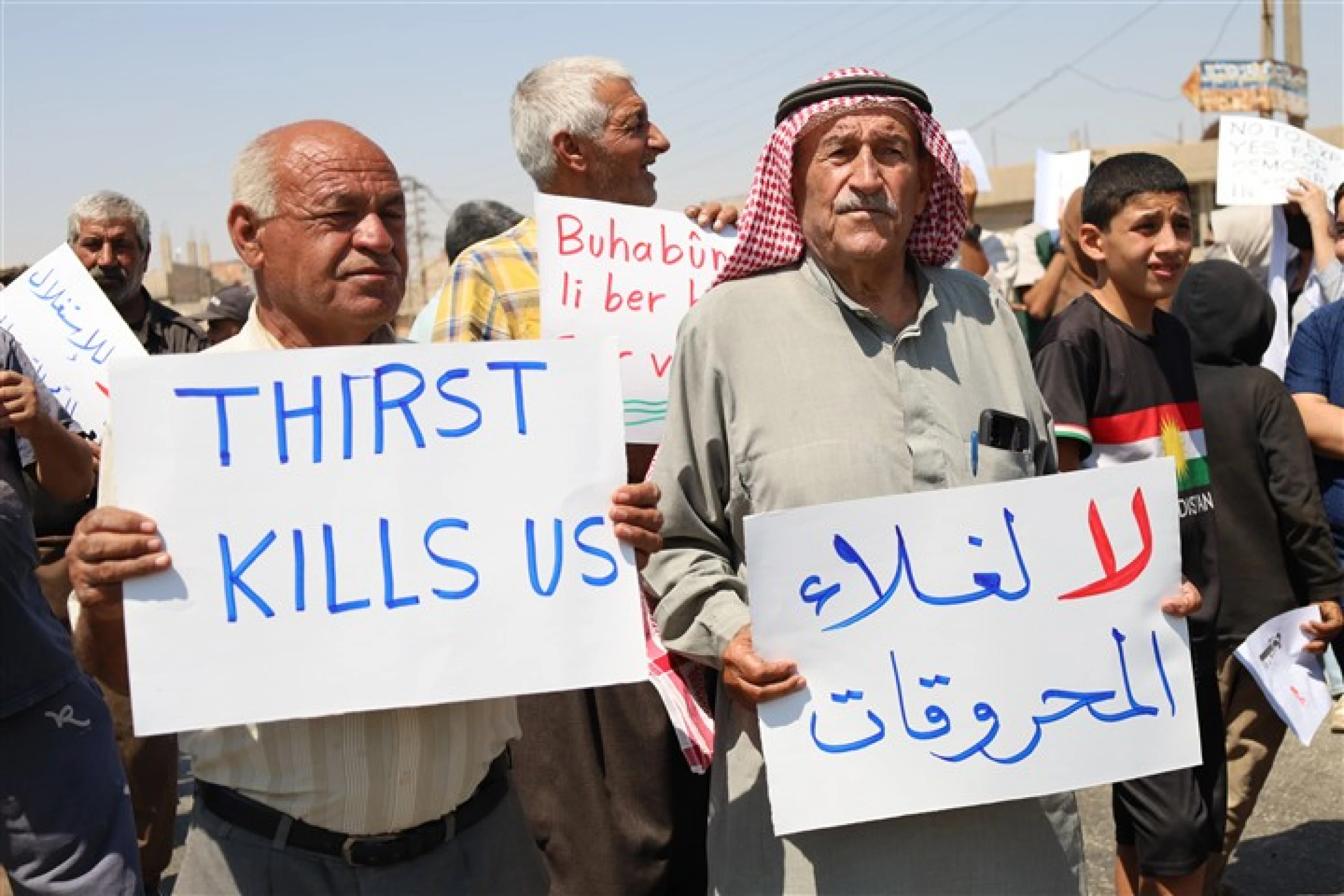
Several areas of Syria have witnessed manifestations of growing discontent in recent weeks, with demonstrations spreading across the Kurdish-majority Hasaka province in Rojava over rising prices, prolonged electricity outages, worsening economic conditions, and delayed salary payments.
The SDC expressed concern over deterioration in living and economic conditions in Syria, which has been accompanied by an increase in the “scope of poverty and destitution,” a collapse in purchasing power, and price increases.
The Kurdish-led council said the situation is “a direct result of a closed political structure and a continued inability to implement meaningful reforms in the management of the state and the economy.”
The political structure has made Syria “hostage to short-sighted policies based on monopoly, prioritizing narrow interests, marginalizing competencies, and excluding society from participating in determining its destiny,” it said.
Following the bout of popular unrest, Syria's energy minister issued a decree establishing a permanent committee to set prices for petroleum products and mineral resources.
On Monday, UN officials told the Security Council that Syria’s economic challenges remain a major obstacle to its transition, urging increased development financing and economic recovery efforts.
The SDC stressed that the continuation of this approach “exacerbates the state of collapse,” while affirming “full support” for the legitimate, peaceful popular protests and demanding constructive political reforms, the adoption of transparent economic policies, and stronger efforts to combat corruption.
“The crisis has reached a point where further denial or procrastination is no longer acceptable, and any delay in initiating fundamental reforms will only increase the cost of collapse for both society and the state.”
 Facebook
 LinkedIn
 Telegram
 X
X