ERBIL, Kurdistan Region of Iraq – The Kurdistan Regional Government (KRG) on Wednesday announced that several major energy companies have resumed production at oil fields across the Kurdistan Region after completing repairs to damage caused by airstrikes during the recent Middle East war.
Oil and gas fields across the Kurdistan Region came under repeated attacks from Iran and its allied Iraqi armed groups during the conflict, which began in late February.
KRG spokesperson Peshawa Hawramani said in a statement the fields had suffered “heavy damage” from the attacks and that “some of them took some time to work because they needed to prepare and repair the damaged areas.”
The announcement follows a statement from the KRG's natural resources ministry on Saturday that oil companies operating in the Region would resume production and exports from several fields in the coming days.
Hawramani said US-based HKN Energy “has resumed production at a rate of 7,000 barrels per day,” adding that the company is also scheduled to restart production at the Atrush field near Duhok. US-based Hunt Oil is expected to resume production in August.
Meanwhile, the UK-listed Gulf Keystone, one of the Region’s largest oil producers, has resumed production at the Sheikhan field, he said.
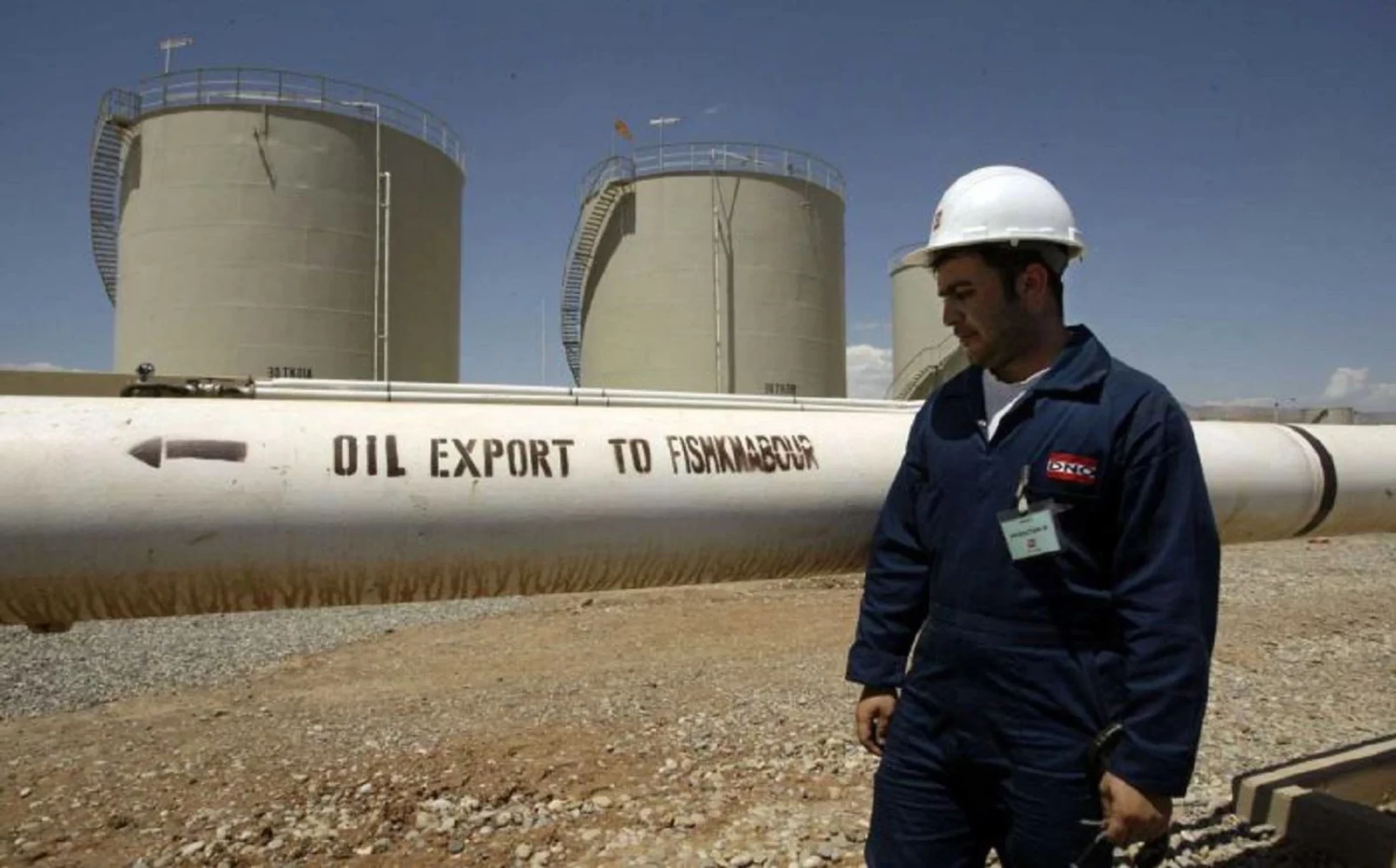
The Norwegian oil and gas company DNO is also set to restart production at the Tawke and Peshkabir fields in Duhok on Friday, according to Hawramani.
The Kurdistan Region's energy infrastructure has been targeted by drone strikes from Iran and its allied militias for several years, causing a significant decline in the Region’s oil production and export capacity.
Production fell to around 75,000 barrels per day during the US-Iran war and the closure of the Strait of Hormuz, as attacks on the Region’s energy infrastructure intensified.
Of that total, around 50,000 barrels per day have been allocated for local consumption, while the remaining 25,000 barrels have been handed over to the Iraqi government for export.
Before the war began in late February, the Region produced around 250,000 barrels per day, with 50,000 barrels allocated for domestic consumption and the remainder transferred to Iraq’s State Organization for Marketing of Oil (SOMO) for export. Before 2023, the Kurdistan Region produced around 400,000 barrels per day.
On Sunday, Erbil and Baghdad reached an agreement aimed at protecting oil companies and ending attacks targeting the Region’s energy infrastructure after a high-level Iraqi security delegation visited Erbil and met senior Kurdish leaders at the direction of Prime Minister Ali al-Zaidi.
 Facebook
 LinkedIn
 Telegram
 X
X