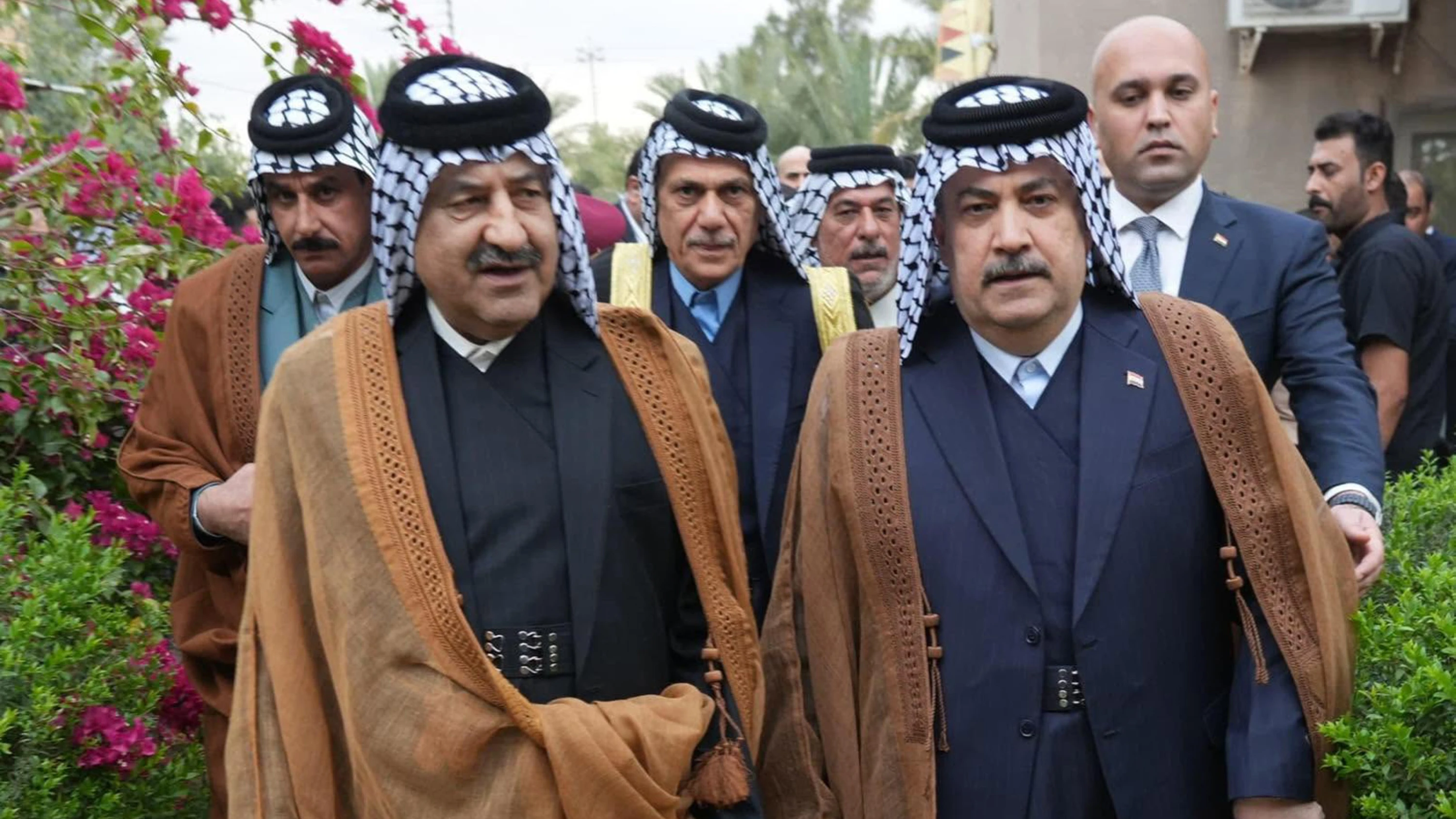
ERBIL, Kurdistan Region of Iraq – Mohammed al-Sayhood, leader of the Sudan tribe and a former Iraqi parliament member, was released on bail on Tuesday, two days after his arrest in the large-scale anti-corruption operation carried out by the government.
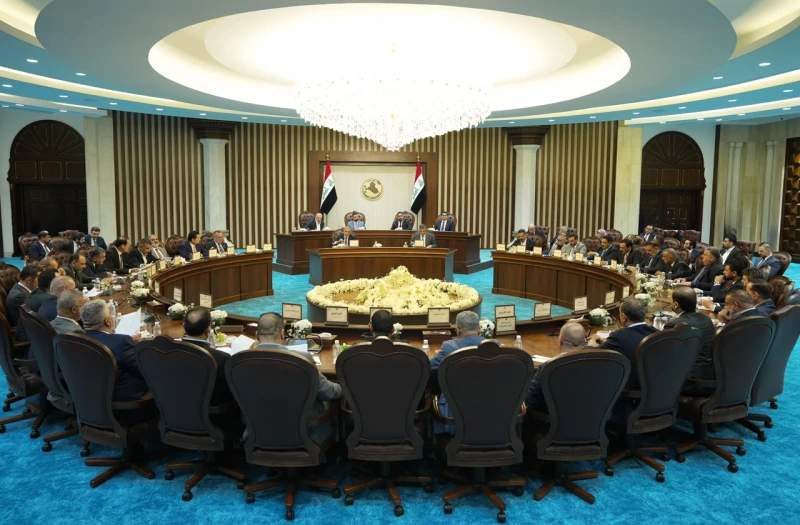
In the early hours of Sunday, Iraqi special security forces, under the directive of Prime Minister Ali al-Zaidi, launched Operation Dawn, entering Baghdad's fortified Green Zone and imposing a lockdown as they arrested dozens of high-level officials and lawmakers for their alleged involvement in corruption.
Among the names arrested was Sayhood, a relative and advisor to former Iraqi Prime Minister Mohammed Shia’ al-Sudani.
The New Region has learned that Sayhood was released on bail on Tuesday over “health concerns,” with some sources suggesting the former lawmaker has already returned to the Green Zone.
Sayhood’s arrest sparked major controversy online, with many using his alleged involvement in corruption cases to direct heavy criticism toward the Sudan tribe, leading to strongly-worded responses from the family.
Hours before Sayhood’s release, a member of the Bujahili clan of the Sudan tribe issued a statement condemning comments deemed insulting to the tribal leader, while implying a willingness to take “tribal” measures.
“Any attempts to target or insult the tribal chief are an attack on all the clans of Sudan and the trust they have placed in him to represent them and defend their rights. It is the duty of everyone, at all official and popular levels, to provide a safe and supportive working environment for our tribal chief and to pursue those who insult him through their social media accounts, holding them accountable legally and according to tribal custom,” read a Facebook post from Kamel Hamdan al-Sudani, calling on all his tribe members to unite.
The Sayhood clan later confirmed that their tribal chief had been released, claiming that the investigations had been completed and that the judiciary had concluded that “there was nothing to incriminate the sheikh.”
“We all know that politics involves unfair competition, so the successful are fought against, and the honest are fought against,” read the statement, alleging that Sayhood’s arrest was carried out based on “a report submitted by one of the heads of blocs close to the authorities due to a political dispute.”
The Sudan are an ancient Arab tribe, the members of which are currently dispersed throughout the seven Arab countries of the Gulf. Some claim the Sudan to be descendants of the Kindite Kingdom, but those accounts have historically been heavily disputed.
The Kingdom of Kinda enjoyed significant political influence in central Arabia between the third century CE and sixth century CE, owing to their strategic position northwest of modern-day Mecca, where they controlled key trade routes linking southern Arabia with the Red Sea and northern markets.
A 1917 official publication entitled Tribes of the Tigris, compiled by the Basra Branch of the Arab Bureau, includes a segment on the history of the Sudan tribe which reads: “The Sudan have pretensions to descent from the famous Southern Arabian stock of Kindah, but historically no more is ascertainable concerning them than that they were a tribe of Hawizah [Hawizeh],” referring to the transboundary marshlands straddling the border between Iraq and Iran.
The Sudan are one of the prominent Shiite tribes in Iraq, largely residing in Maysan, southeast of the country. Members of the Sudan tribe have for years held high-ranking positions in Iraqi institutions.
 Facebook
 LinkedIn
 Telegram
 X
X