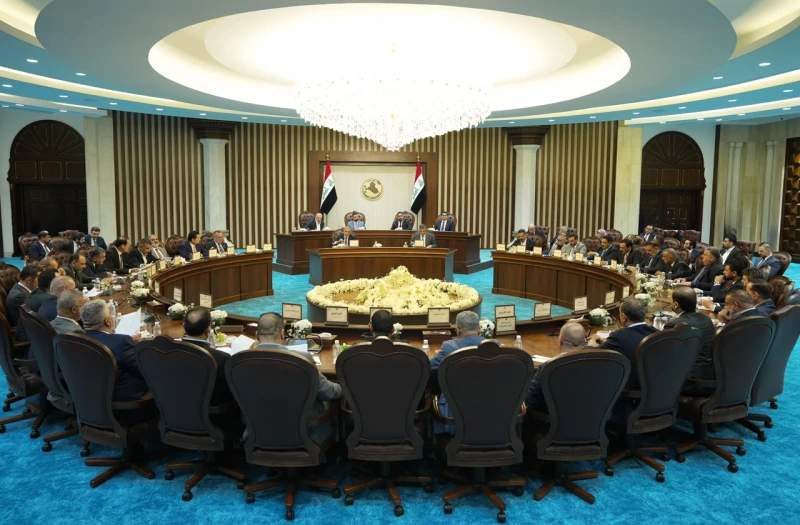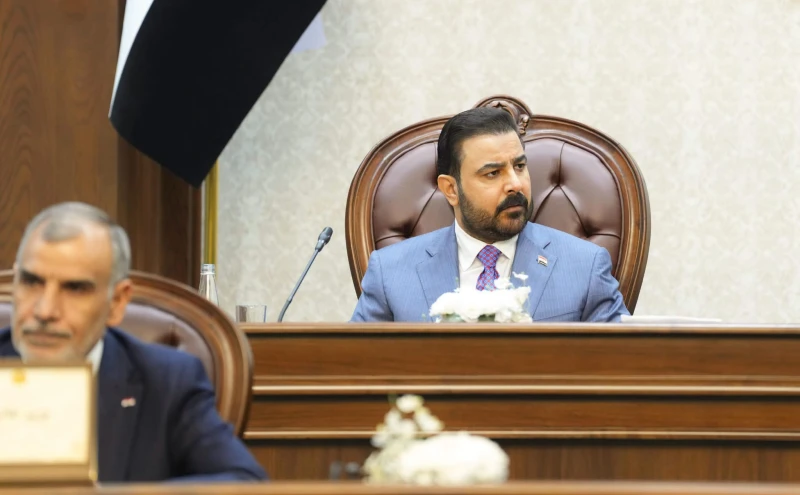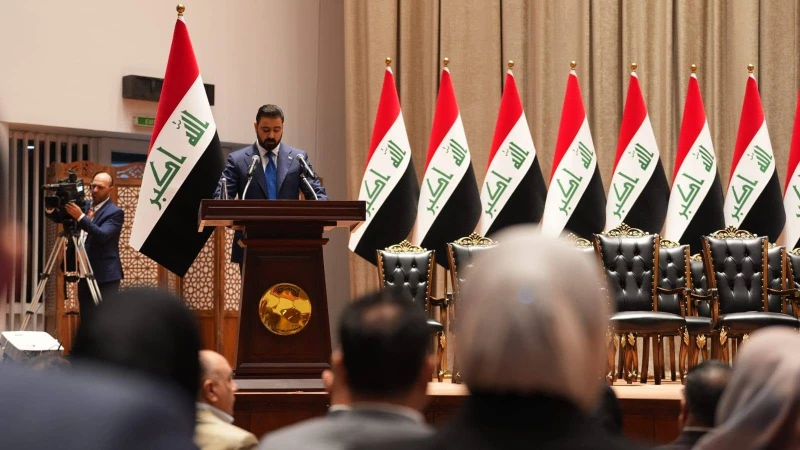
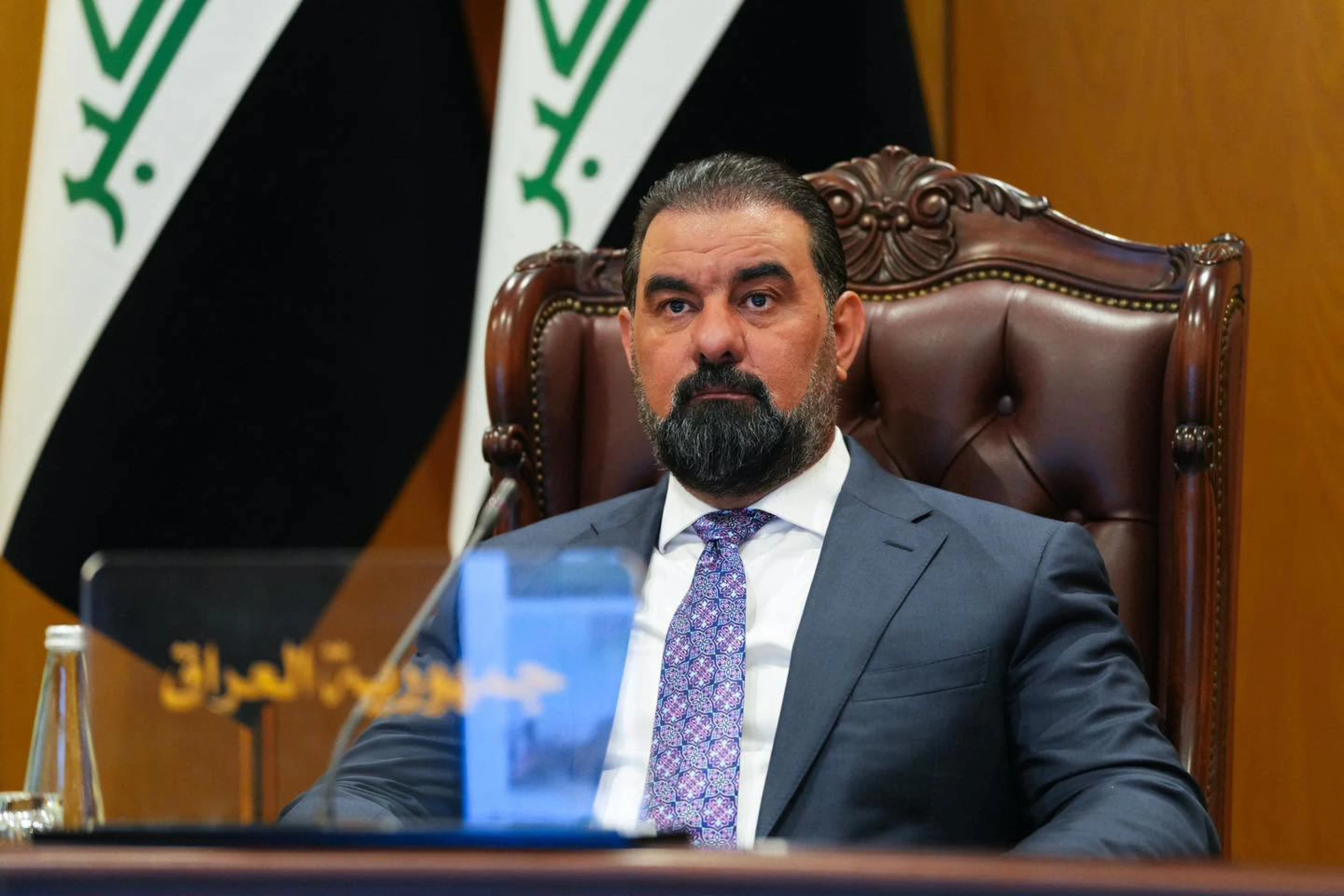
ERBIL, Kurdistan Region of Iraq – Iraqi parliament speaker Haibat al-Halbousi on Tuesday stated that the recent anti-corruption operation was carried out in coordination between the three branches of the government, stressing that there will be “no immunity for the corrupt.”
In the early hours of Sunday, Iraqi special security forces, under the directive of Prime Minister Ali al-Zaidi, launched Operation Dawn, entering Baghdad's fortified Green Zone and imposing a lockdown as they arrested dozens of high-level officials and lawmakers for their alleged involvement in corruption.
The large-scale crackdown was not exclusive to the Green Zone, but rather targeted corruption suspects residing anywhere in the country, including in the Kurdistan Region.
During an interview with the Saudi state-owned Al Arabiya, Halbousi said that, around two weeks ago, a trilateral meeting was held between him, Zaidi, and President of the Supreme Judicial Council Faiq Zidan, during which Zidan had pointed out the names of officials that have been accused of corruption.
Among the names were dozens of MPs who could not be prosecuted on account of their parliamentary immunity, said Halbousi, adding that therefore the decision was made to lift the accused lawmakers’ protective status to allow for legal measures against them.
The parliament speaker dubbed the step “a historic move to preserve the legislative institution.”
“It is our moral, legislative, national, and legal duty to move forward with this case, because, if there is an accusation against a member of parliament, which is the regulatory body of all Iraqi authorities, it would be a very dangerous thing.”
Halbousi noted that a total of 19 lawmakers were included in the suspects list, which includes MPs from both the current and previous parliamentary cycles. He added that, based on his information, two of the lawmakers were out of the country and have therefore not been detained as of yet.
“This does not mean that the ladies and gentlemen, the names of which were included in the books of the Supreme Judicial Council, are corrupt. No. There are accusations, and they must appear before the judiciary, and the judiciary will have the last say on this matter,” Halbousi stated.
The Iraqi government has officially confirmed that at least 21 individuals were detained on corruption charges during Operation Dawn. Iraqi state media had initially reported that 47 individuals were arrested during the raids.
The anti-corruption efforts come during a time of financial difficulty for the Iraqi state. The US-Israel war on Iran and the subsequent restrictions on the Strait of Hormuz have greatly impacted Iraq’s income generation, which heavily relies on oil exports, sparking fears that the country would face a financial crisis and fail to provide monthly salaries to its civil servants.
“What is happening is a crime against the people and the nation. At this moment, we are borrowing from the Central Bank reserves to pay salaries, and now billions are being uncovered. This is a crime against the people,” said the parliament speaker.
In a meeting with heads of diplomatic missions of EU member states in Iraq on Monday, Iraqi Prime Minister Zaidi reaffirmed Baghdad’s commitment to combating corruption, saying there would be "no red lines" for anyone who breaks the law or steals public funds, while pledging to recover money allegedly looted under previous administrations.
“There is no immunity for the corrupt, and the judicial and legal measures will be applied to all those involved in wasting public funds or stealing public funds, regardless of their title, their description, or their location,” Halbousi asserted during the interview.
Some of the names arrested during Sunday’s campaign included Sunni Azm Alliance leader Muthanna al-Samarrai, former Wasit Governor Mohammed Jamil al-Miyahi, Oil Ministry Undersecretary Ali Ma’arij al-Bahadli, and Ibrahim al-Sumaidaie, a senior advisor to former Prime Minister Mohammed Shia’ al-Sudani.
 Facebook
 LinkedIn
 Telegram
 X
X