ERBIL, Kurdistan Region of Iraq – The Kurdistan Regional Government (KRG) on Saturday issued a directive authorizing the import of gasoline to reduce prices, adding that traders “must be continuously facilitated at all times,” as internal supply falls short.
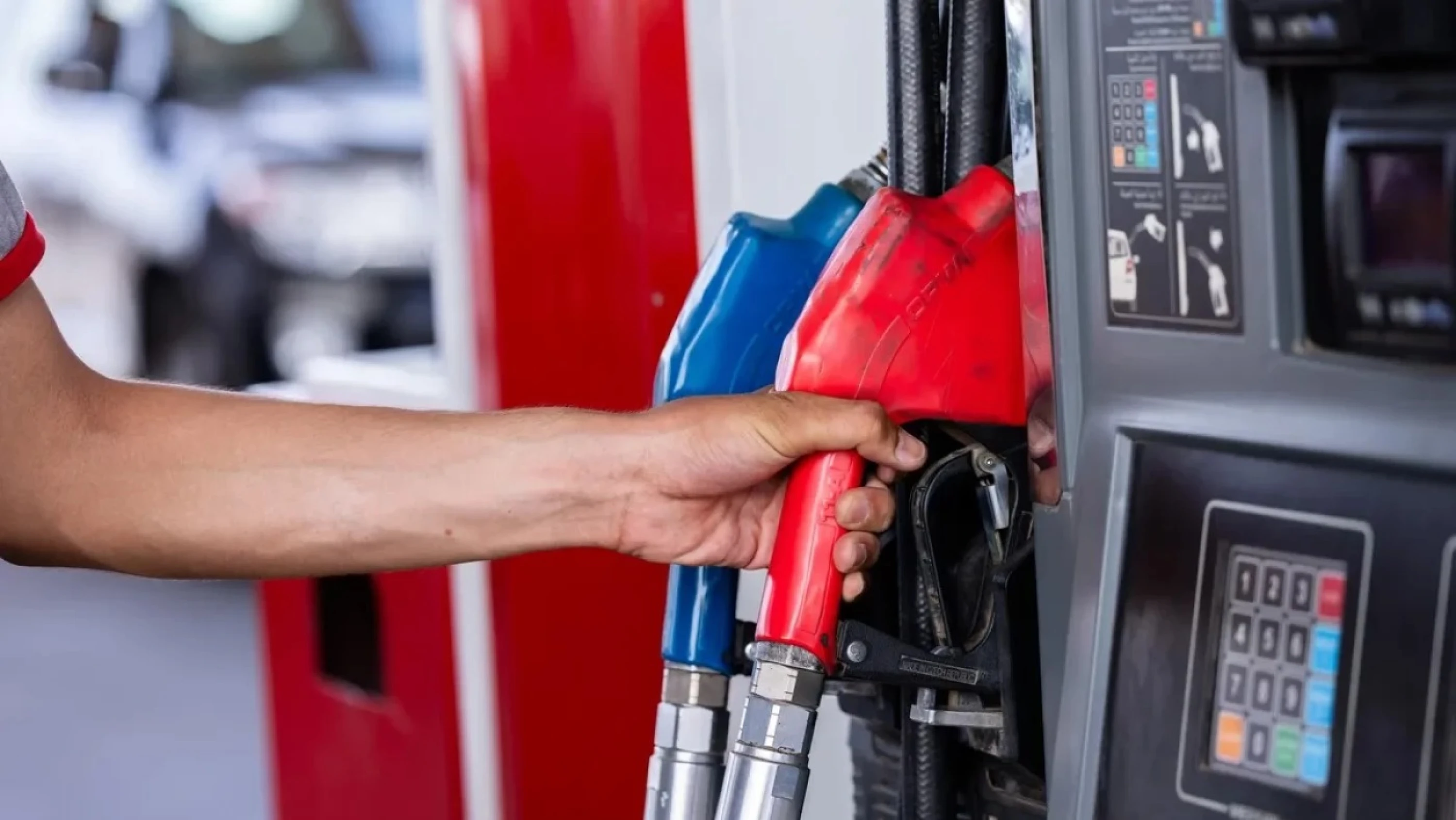
The Kurdistan Region’s gas stations offer three types of petrol of different quality to vehicles, which include: “Normal,” which is the base quality, as well as “Improved” and “Super,” which are the highest quality.
Due to the internal production not meeting demand, the price of “Normal” fuel had gone from around 900 Iraqi dinars (approximately $0.69) to 1,220 (around $0.93) per liter, according to The New Region’s correspondent, who spoke to several gas station employees in and around Erbil, the Kurdistan Region’s capital.
The Kurdistan Region’s natural resources ministry issued a directive on Saturday to reduce petrol prices, authorizing the import of fuel and increasing production so that demand is continuously met.
“In a bid to address the gasoline shortage and bring prices under control, Acting Minister of Natural Resources Kamal Mohammed Salih has issued a directive to the General Directorate of Security authorizing the import of gasoline,” the ministry said in a statement.
“The directive stipulates that traders must be continuously facilitated at all times, enabling them to import gasoline in accordance with the quality standards set by the Ministry of Natural Resources into Kurdistan Region provinces, and to meet market demand as required,” it added.
During the first day of the directive being issued, 70 Iraqi dinars (around $0.053) were reduced from a liter of the “Normal” gasoline price, bringing it down from 1,220 dinars to 1,150, which in turn also affects the other quality prices.
The government is expected to reduce the prices daily until it falls back to the previous price of around 900 dinars, according to The New Region’s correspondent.
During the summer, demand for fuel increases, and recent regional tensions have also increased fuel prices.
Fuel prices went up across the world as Iran shut the Strait of Hormuz, a key waterway responsible for the transport of roughly 20 percent of the world’s oil, as a means in its war against the US and Israel.
 Facebook
 LinkedIn
 Telegram
 X
X