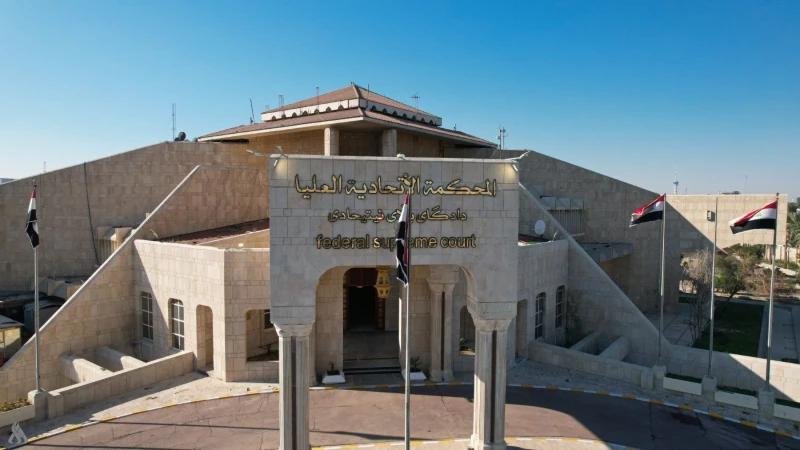

ERBIL, Kurdistan Region of Iraq – Around 3,300 arrest warrants remain pending for officials of the former Iraqi regime of Saddam Hussein, the head of the country’s criminal court said Sunday, reaffirming the judiciary’s commitment to following up on all the cases.
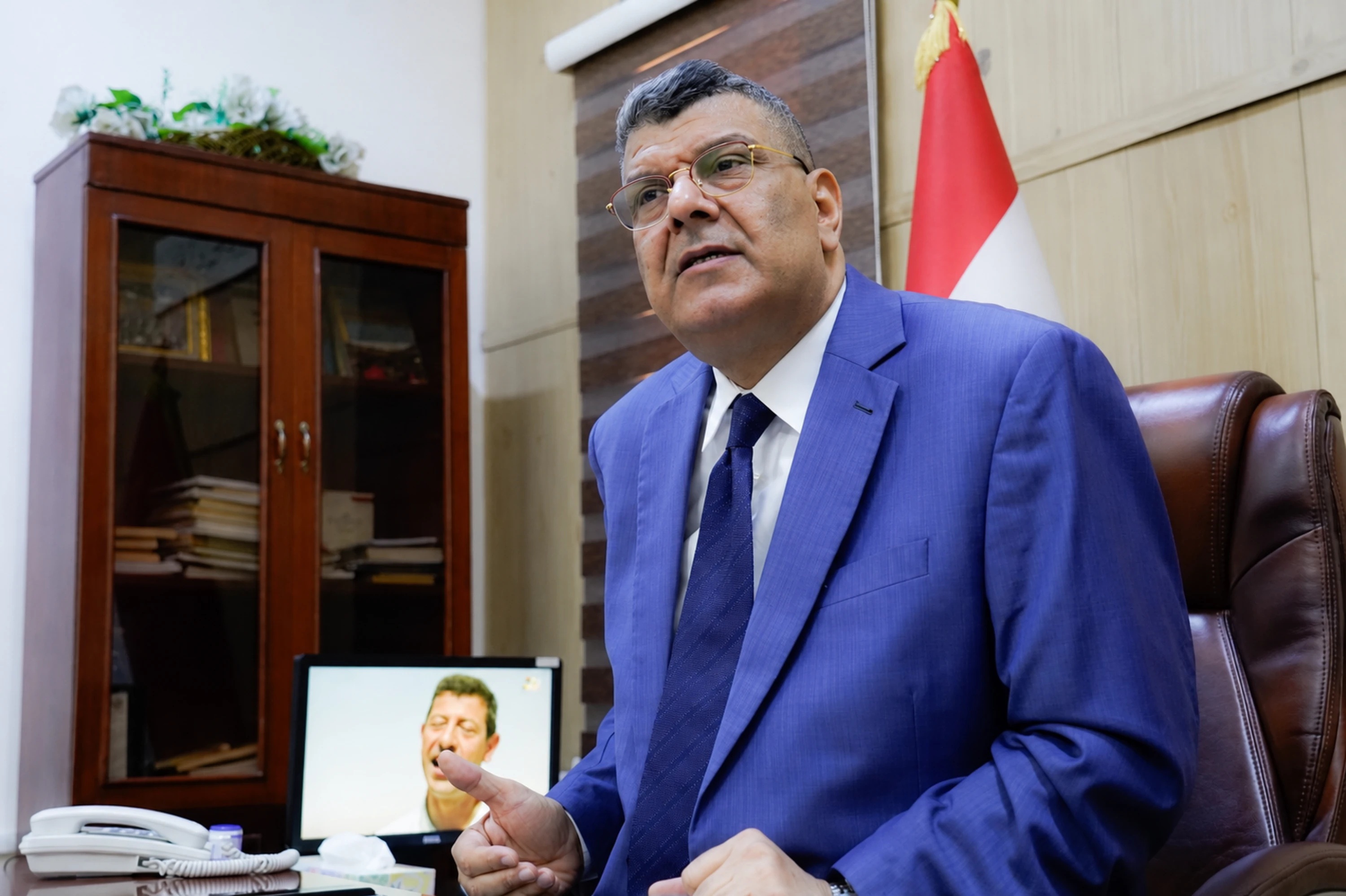
“Approximately 3,300 arrest warrants remain unexecuted against loyalists of the former regime accused of crimes against humanity, both inside and outside Iraq,” Judge Saad al-Lami, head of the Iraqi Criminal Court, told state media.
Hussein led the Baath Party, which ruled Iraq from 1968 until 2003, when he was toppled, and the regime collapsed in a US-led invasion. The former dictator was later executed in 2006.
Iraqi security forces still arrest former members, loyalists, and promoters of the banned Baath Party.
In May, Ajaj Ahmed al-Tikriti, infamously known as Hajaj Nugra Salman, a former Iraqi security official responsible for executing and torturing Kurdish civilians, was sentenced to death after spending three decades in hiding.
“Crimes against humanity do not lapse with the passage of time, and the pursuit of those involved is ongoing,” Lami said.
He added that one of the main challenges the court is facing in executing arrest warrants is that some suspects are in other countries, and extraditions require working with Interpol or the Arab Police, while some countries also require knowing the type of punishment the person will receive and guarantees that they will not be sentenced to death.
In December, Shakir Taha Ghafoor, a lieutenant in the Baathist security forces, charged with involvement in the disappearance and genocide of the Barzani tribe in Iraq’s southern deserts in 1983, was also handed a death sentence.
The massacre was part of the Baath regime’s wider genocidal campaign against the Kurdish population called Anfal, during which over 182,000 Kurds were killed and thousands of Kurdish villages were wiped out and destroyed.
“All the cases being considered by the court relate to the period from July 17, 1968 until May 1, 2003,” Lami said, affirming that “the constitution stipulates that the court shall continue to operate until all its work is completed.”
 Facebook
 LinkedIn
 Telegram
 X
X