ERBIL, Kurdistan Region of Iraq – The funds recovered from a massive anti-corruption crackdown in Iraq cannot be used to help with the general budget but will help reduce the deficit and finance specific projects, an advisor to the Iraqi prime minister said on Tuesday.
Mudher Mohammed Salih, financial advisor to Prime Minister Ali al-Zaidi, told state media that the recovered corruption funds are “important and exceptional revenues but cannot be relied on permanently in state budget planning.”
He said the funds are often used to “reduce the budget deficit, finance specific projects that directly affect people’s lives, or strengthen the country's financial reserves,” rather than serving as a long-term foundation for annual budgets.
Salih said the use of such funds in budget planning is limited because public spending and fiscal policy are governed by broader financial frameworks and spending ceilings.
“Recovered funds from corrupt individuals are an important tool for supporting the national economy, but they are not necessarily a complete substitute for the state budget,” Salih said.
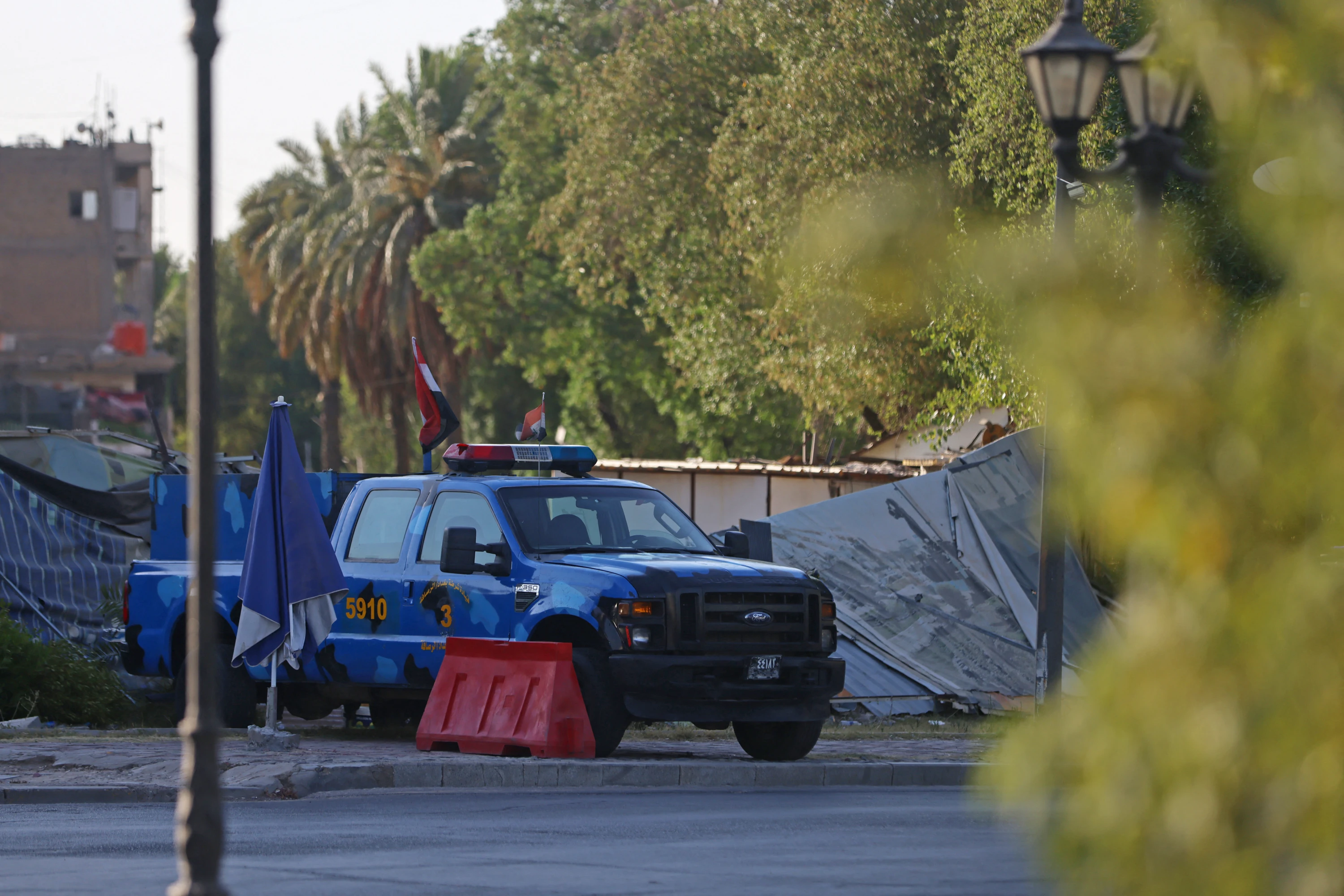
The Iraqi government, led by Zaidi, launched a large-scale anti-graft campaign in late June, when security forces entered Baghdad’s heavily fortified Green Zone and arrested scores of senior officials and lawmakers over alleged corruption and theft of public resources.
Baghdad has officially confirmed that at least 21 people were detained during the widespread crackdown operation – dubbed Operation Dawn – on corruption charges. Iraqi state media had initially reported that 47 people were arrested.
Among those detained were Sunni Azm Alliance leader Muthanna al-Samarrai, former Wasit Governor Mohammed Jamil al-Mayahi, Oil Ministry Undersecretary Ali Ma’arij al-Bahadli, and Ibrahim al-Sumaidaie, a senior adviser to former Prime Minister Mohammed Shia’ al-Sudani.
Zaidi’s campaign has enjoyed broad support from the Iraqi public as well as myriad notable
 Facebook
 LinkedIn
 Telegram
 X
X