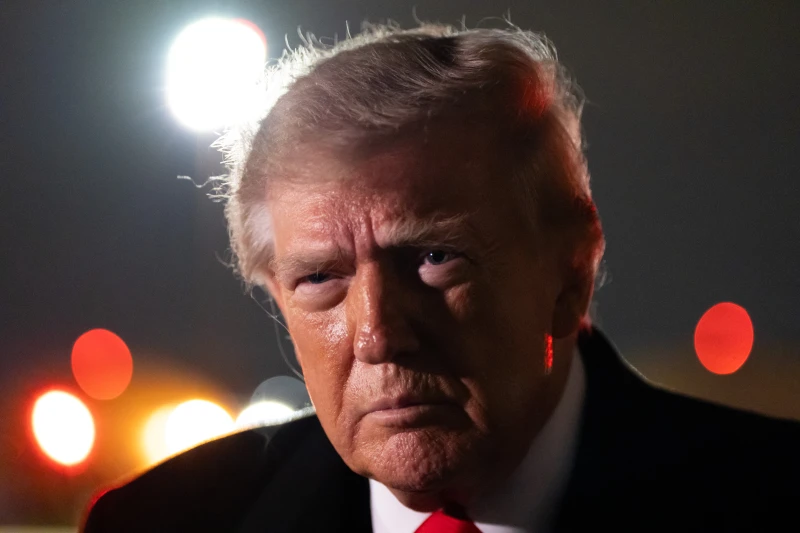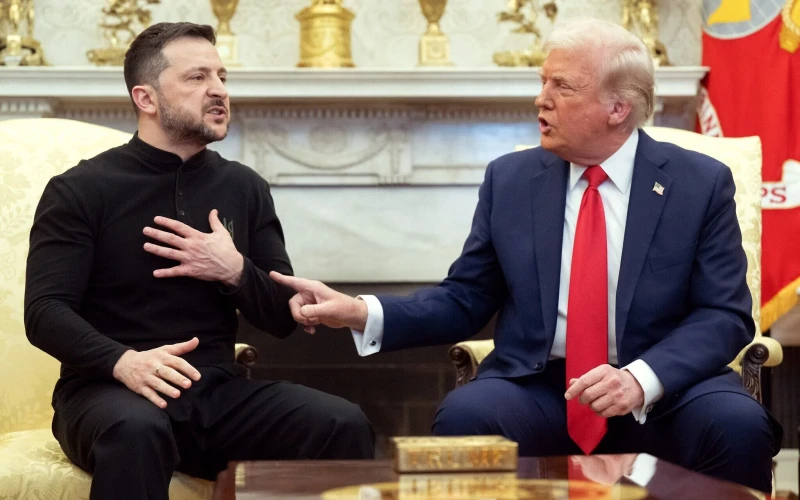
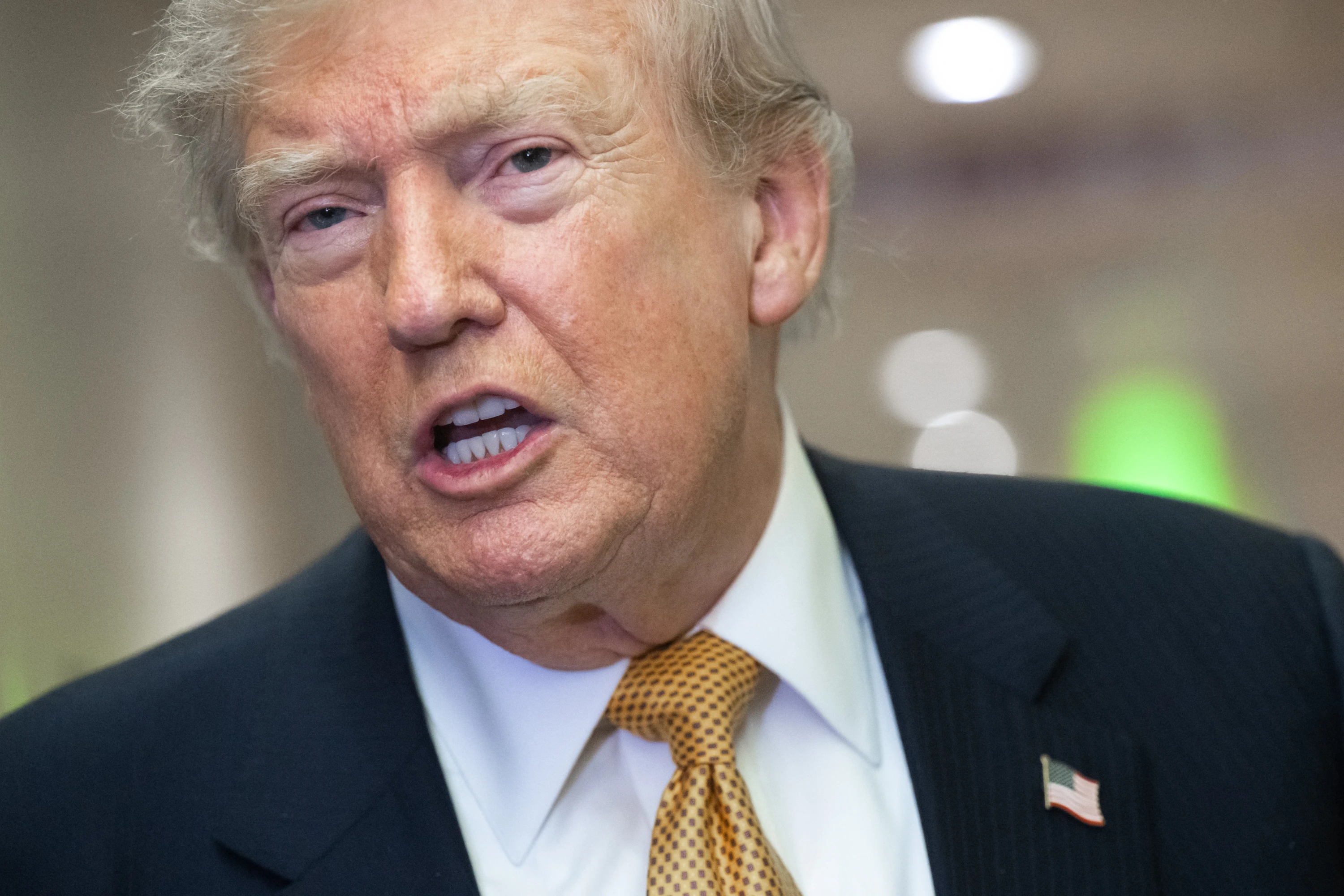
ERBIL, Kurdistan Region of Iraq - US President Donald Trump on Friday said that Washington has agreed to continue negotiations with Iran, but has informed the Islamic republic that “the Cease Fire is OVER!”
Iranian attacks targeting a Qatari-flagged vessel and a Saudi-flagged oil tanker in the Strait of Hormuz on Tuesday triggered retaliatory strikes from the US less than a day later.
The exchange of fire has continued since, with the US targeting ports in southern Iran while Iran has resumed strikes against US bases in the Middle East, as both sides accuse the other of violating the memorandum of understanding.
“The Islamic Republic of Iran has asked us to continue ‘talks.’ We have agreed to do so, but the United States has stated to them, in no uncertain terms, that the Cease Fire is OVER!” Trump wrote on Truth Social.
The Islamic Revolutionary Guard Corps (IRGC)-affiliated Tasnim News Agency on Friday reported that a Qatari delegation has arrived in Iran for consultations with Iranian officials, noting that the visit aims to “solidify Qatar’s position as a mediator” following the recent escalations.
The US-based outlet Axios reported on the Qatari delegation’s arrival earlier in the day, noting that it comes “in an effort to de-escalate the situation and create the conditions for negotiations to resume,” citing a diplomat with knowledge of the visit, emphasizing that “it’s clear both sides want to come back to the MoU [Memorandum of Understanding]."
Hours after the US launched the first wave of new strikes against Iran on Wednesday, Trump told reporters that he considers the US-Iran deal “over,” referring to Iranian authorities as “sick” and “scum,” and added that he does not want to negotiate with Tehran any further.
On June 17, Trump and his Iranian counterpart Masoud Pezeshkian digitally signed an MoU to bring the months-long conflict to an end. The accord granted the two sides a 60-day window to negotiate a final and permanent settlement.
The renewed hostilities, only 21 days after the MoU was inked, came as Iran had begun funeral processions for the late Supreme Leader Ayatollah Ali Khamenei, over four months after he was killed in US-Israeli strikes.
Tehran has repeatedly maintained that vessels using the Strait of Hormuz must travel through shipping lanes approved by Iranian authorities and provide prior notification before transiting the waterway.
During the 60-day period, the US Treasury agreed to lift restrictions on Iranian oil exports, a move that was reversed on Tuesday amid the heightened tensions and stagnating peace process. Iran's foreign ministry termed the reversal “a gross violation” of the peace deal and dubbed it “another sign of the ill intentions, instability, and unreliability of the US ruling establishment.”
 Facebook
 LinkedIn
 Telegram
 X
X