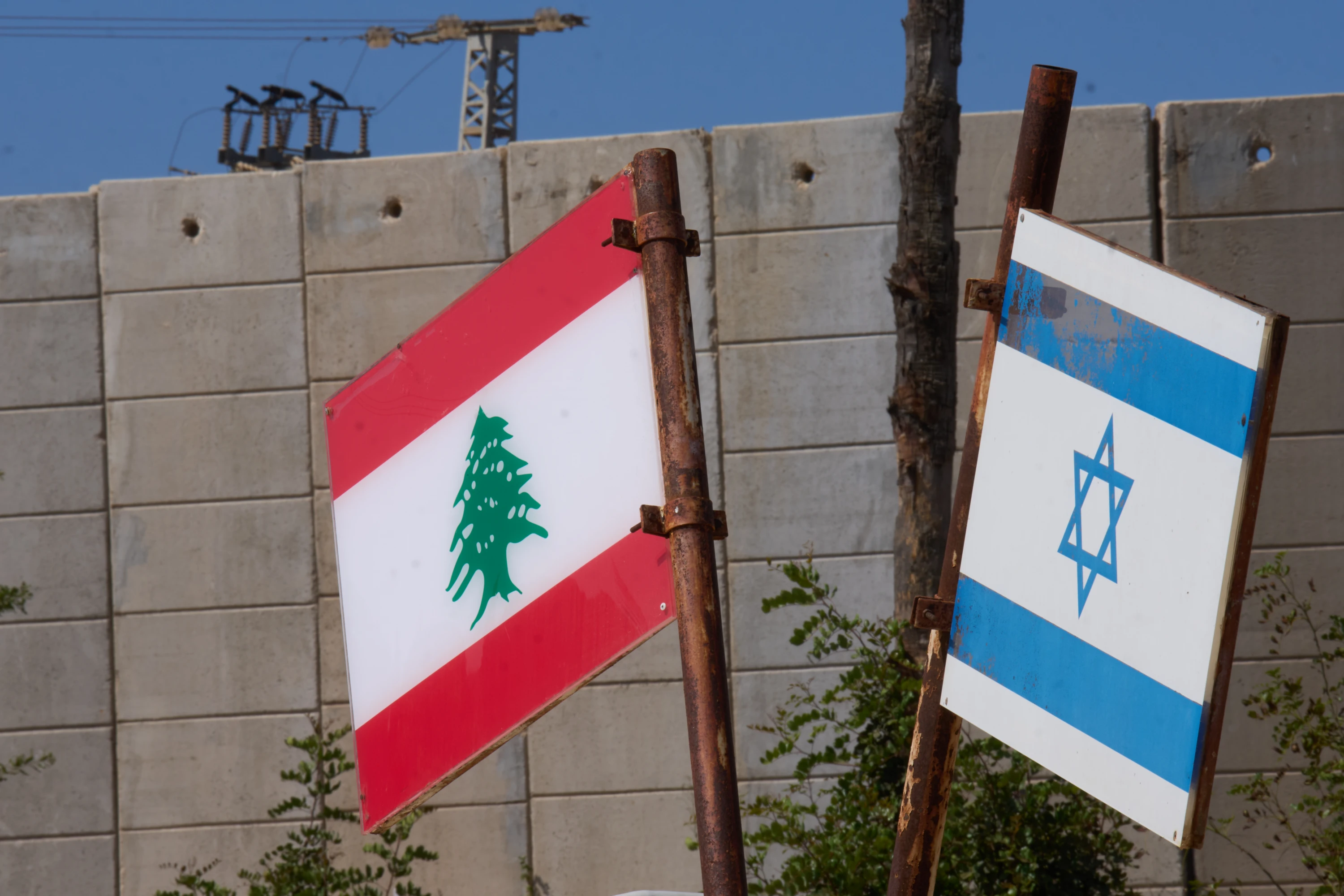
ERBIL, Kurdistan Region of Iraq - A sixth round of US-brokered talks between Israel and Lebanon concluded in Rome on Wednesday, with American officials characterizing the two-day meeting as “productive” and noting that both parties agreed to implement “pilot zones” from which Israeli forces would withdraw as discussed in earlier negotiations.
The negotiations were “positive and productive,” according to a statement from the US Embassy in Beirut that noted delegates “agreed on the structure and guidelines for the pilot zone process, to be finalized and implemented in the coming days.”
In a subsequent phone call with Austrian Chancellor Christian Stocker, Lebanese President Joseph Aoun said that “efforts are ongoing to end the war on Lebanon, secure the withdrawal of Israeli forces, and deploy the Lebanese Army along the southern border to enable displaced residents of villages and towns to return to their homes.“
The new round of US-led talks opened in Rome on Tuesday following the June 26 agreement in Washington that envisaged the disarmament of Hezbollah, the deployment of Lebanese troops in the south, and a phased withdrawal of Israeli forces starting with two “pilot zones” in which Lebanese authorities would assume control in a bid to negate the presence of the Iran-backed group.
Despite the talks, Lebanon’s position remains uncertain after Hezbollah rejected the agreement and no formal withdrawal timetable was established, especially as Israeli officials have repeatedly vowed to maintain a 10-kilometer-deep “security zone” along the frontier as long as the group remains armed.
Further complicating the situation, the US-Iran truce collapsed barely a month after it was signed, with US President Donald Trump pronouncing the peace over on July 9. However, Lebanon’s future is inexorably tied to the outcome of the shaky diplomatic process taking place between Washington and Tehran: Iranian officials have maintained that a cessation of hostilities in the US–Israel war involving Iran is contingent on the Lebanese front, warning that a complete Israeli withdrawal from southern Lebanon remains a non-negotiable prerequisite for any diplomatic progress.
The latest round of talks in Rome follows a summit in late June where Italian Prime Minister Giorgia Meloni and French President Emmanuel Macron signaled their intention to establish a transnational coalition for the post-UNIFIL period.
Macron stated that the project is intended to “strengthen” Lebanon’s sovereignty and its armed forces in coordination with the EU and the UN, though he offered no further operational details. President Joseph Aoun welcomed the initiative, labeling it as “a sincere expression of the international commitment to supporting Lebanon’s sovereignty and stability.”
Notwithstanding a nominal truce between Hezbollah and Israel and ongoing talks between the Lebanese government and Tel Aviv, the country remains mired in instability, driven by ceasefire violations, widespread infrastructure damage, and the continued Israeli occupation of southern Lebanese territory – all of which compound the hardships faced by citizens in the south.
According to the Lebanese health ministry as of Monday, over 4,300 people were killed and more than 12,200 wounded since the outbreak of the conflict on March 2, with over one million Lebanese citizens having been displaced as a result of the violence.
 Facebook
 LinkedIn
 Telegram
 X
X