ERBIL, Kurdistan Region of Iraq – Water levels in Iraq’s famed Tigris and Euphrates rivers are expected to fall to "dangerous levels" in Baghdad and Basra after incoming water flows declined by more than 40 percent over the past five years, an environmental monitor warned on Sunday.
“Iraq has already suffered from an unprecedented decrease in water revenues due to a reduction in incoming flows exceeding 40 percent over the past five years,” the Green Iraq Observatory said in a statement.
Baghdad has long accused Turkey and Iran of failing to release sufficient water into Iraq. Turkey has built major dams on the Tigris and Euphrates rivers, including the Ilisu and Ataturk dams, while Iran has dammed and diverted tributaries that flow into Iraq, redirecting some rivers within its own territory.
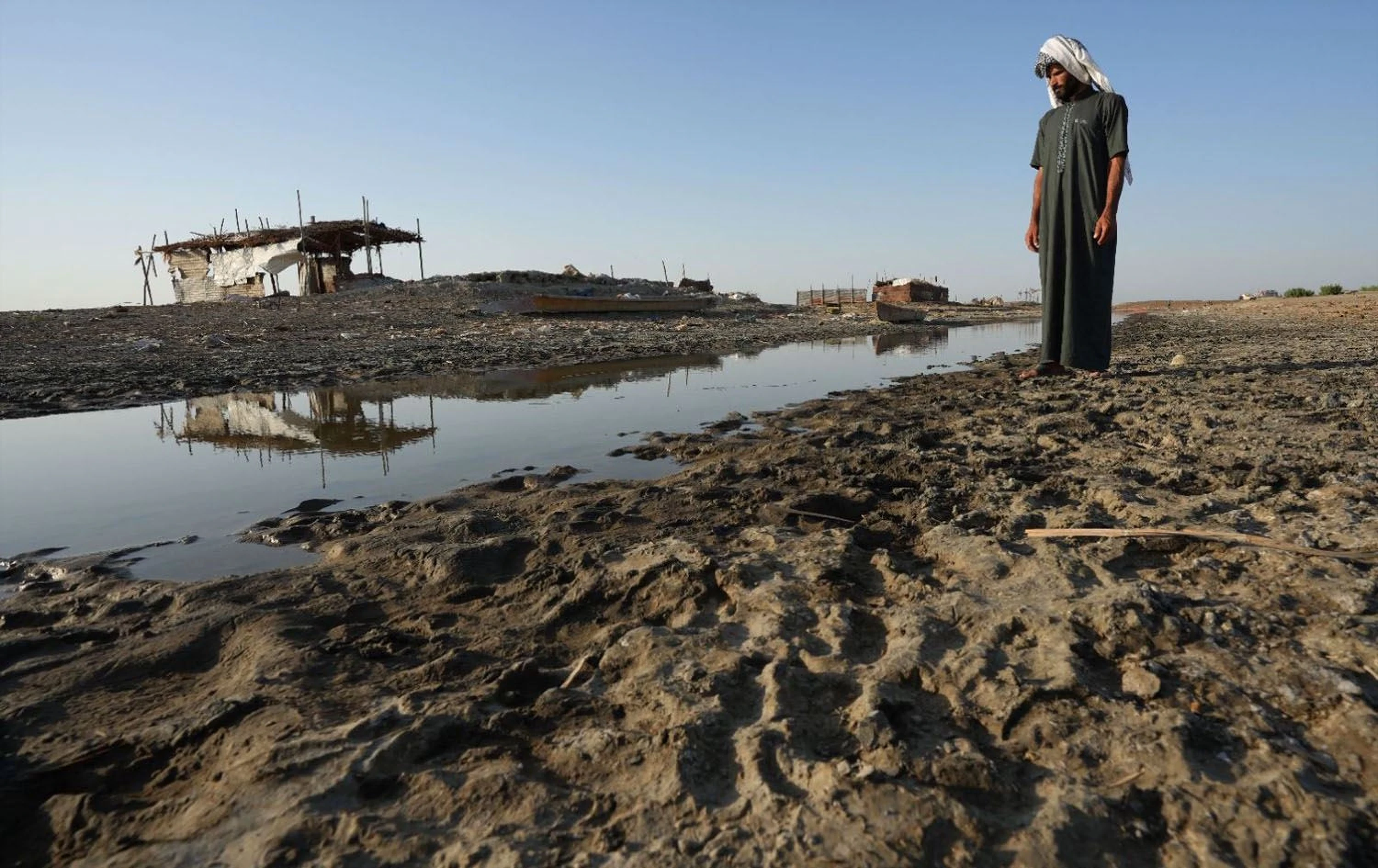
The monitor indicated the situation has caused environmental damage such as “soil salinization, deteriorating 50 percent of agricultural lands in southern and central Iraq, and causing the Tigris and Euphrates rivers to drop to dangerous levels in Baghdad and Basra, threatening drinking water supplies.”
The decrease in incoming flows has “led to the drying up of the marshes, threatening the livelihoods of five million citizens,” it said.
An Iraqi delegation is set to visit Turkey next month to discuss water shortages and seek increased water releases into Iraq.
The watchdog urged the Iraqi government to take legal and diplomatic steps to protect Iraq's national and international water rights, warning that the ongoing water crisis threatens food security, public health, and could drive internal displacement from rural areas to cities.
In mid-May, Iraq’s newly appointed water minister stressed that his ministry will develop relations with upstream Turkey and Iran to secure water releases into Iraq.
Turkey has built about 20 dams over four decades, holding roughly 80 billion cubic meters of water, eight times the capacity of Iraq’s Mosul Dam.
In early November, Ankara and Baghdad signed a new memorandum of understanding (MoU) aimed at easing Iraq’s water crisis by focusing on desalination projects, water treatment, and the construction of dams to manage cross-border flows.
However, Iraq still faces stark water challenges despite the accord, seeking further assistance from its northern neighbor.
The United Nations has ranked Iraq among the world’s most climate-vulnerable countries, while authorities have warned that water reserves have fallen to dangerous levels, making conservation and careful management essential.
 Facebook
 LinkedIn
 Telegram
 X
X