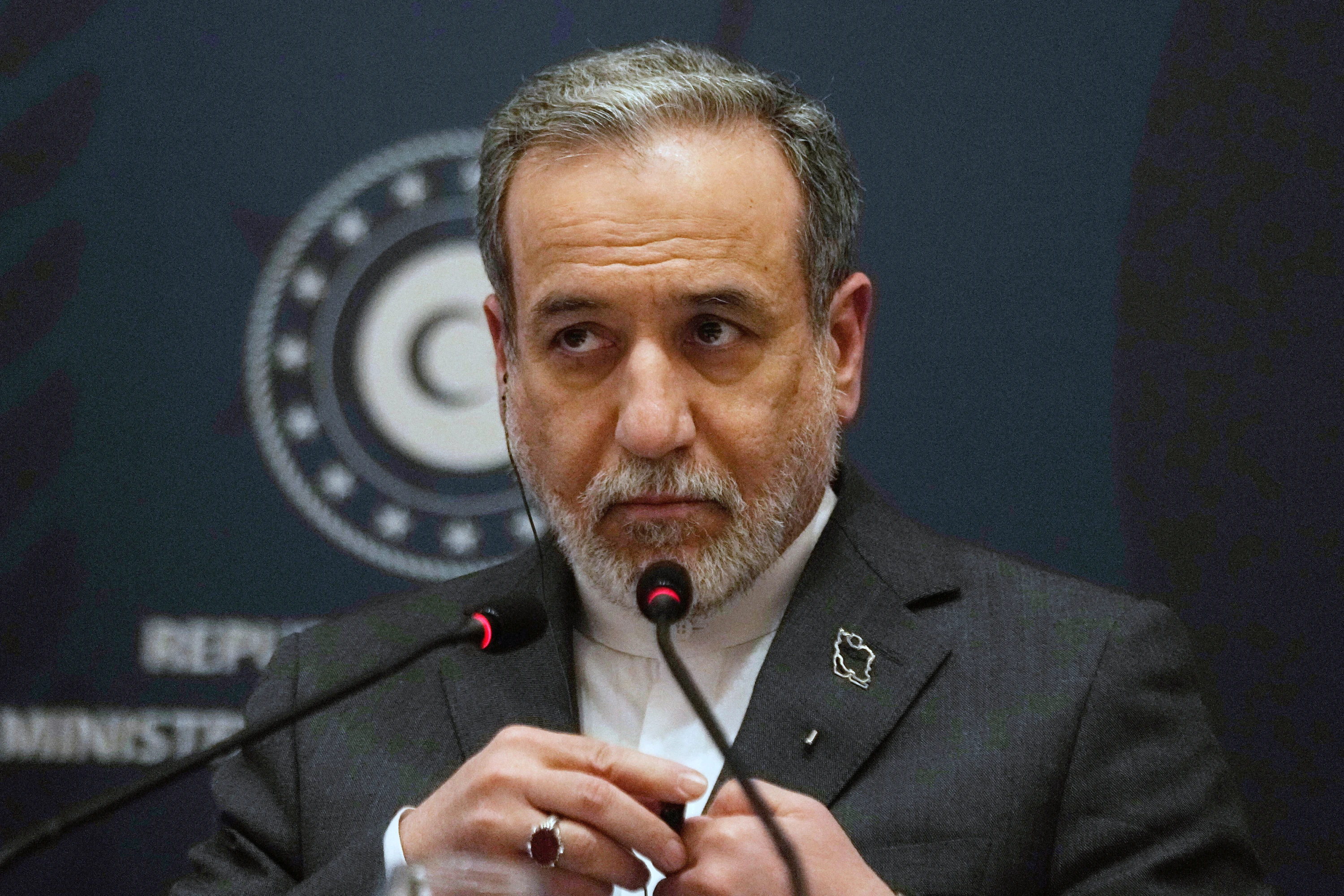
ERBIL, Kurdistan Region of Iraq – Iranian Foreign Minister Abbas Araghchi claimed that he had spoken with Kurdish and Iraqi officials during the early days of the current conflict with the US and Israel, warning that Tehran would launch strikes if faced with threats originating from the Kurdistan Region, following Washington's claim that weapons had been delivered to the Region.
Since the US-Israel war with Iran began in late February, US President Donald Trump has repeatedly voiced disappointment with “the Kurds,” without specifying which groups he was referring to, accusing them of keeping weapons that Washington had allegedly sent to the Kurds to arm the Iranian people against the government.
During an exclusive interview with state media which aired on Sunday, Araghchi claimed that the US and Israel’s objective at the start of the war was to “divide Iran.”
“On the fourth day of the war, Trump called some leaders ... in the Kurdistan Region of Iraq and spoke to all of them,” Araghchi said, claiming that Trump had told the Kurdish leaders that Washington had “sent weapons there.”
The Iranian foreign minister said that, on that same day, he spoke with “Mr. Barzani” and “Mr. Talabani,” without specifying which members of the Barzani and Talabani families he was referring to, in addition to Turkish Foreign Minister Hakan Fidan and Iraq’s then-Prime Minister Mohammed Shia’ al-Sudani.
“I gave the authority that if the slightest threat comes to us from the Iraqi Kurdistan Region, we will deal with it. We will definitely deal with it, and we will definitely strike,” Araghchi said, citing the aforementioned conversations.
Trump’s accusations have been denied by the Kurdistan Regional Government (KRG) as well as by both ruling parties, Kurdistan Democratic Party (KDP) and Patriotic Union of Kurdistan (PUK), on separate occasions.
Additionally, Iranian Kurdish opposition groups have collectively rejected reports of having received any weapons from Washington.
The Iranian Kurdish opposition groups were previously accused in early March of launching ground incursions into Iran from the country’s western border to join the conflict against Tehran; reports they also strongly denied.
“Turkey played an effective role, both talking to the Americans and taking very strong positions on these issues. A combination of these efforts led to the conspiracy of dividing Iran failing,” said Araghchi.
US media at the reported that Kurdish officials and Turkish President Recep Tayyip Erdogan had contacted Washington to express their opposition to the plan of a ground incursion.
Trump’s allegations have been widely criticized for failing to specify which particular Kurdish group had allegedly received the weapons, which has led to internal strife among the Kurdish political and armed forces.
In May, Tehran labeled the Kurdistan Region and the United Arab Emirates (UAE) as sites of “hostile bases” under its security doctrine, making both subject to preemptive strikes.
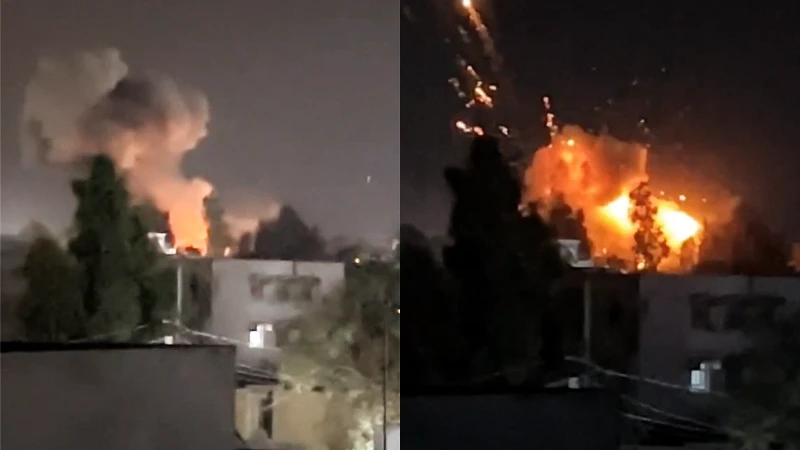
The Kurdistan Region was subjected to hundreds of drone and missile attacks from Iran and its Iraqi proxies from March up until the signing of the memorandum of understanding with the US in mid-June. The Region has come under renewed attacks since hostilities resumed between Tehran and Washington on July 8, only 21 days after the MoU was inked.
 Facebook
 LinkedIn
 Telegram
 X
X