ERBIL, Kurdistan Region of Iraq - The Kurdistan Regional Government (KRG) has issued a directive to reduce gas prices across the Kurdistan Region in a bid to standardize the market and put an end to the years-long pricing crisis.
Earlier this month, the Kurdistan Region’s natural resources ministry issued a directive to reduce gasoline prices, authorizing the import of fuel and increasing production so that demand is continuously met.
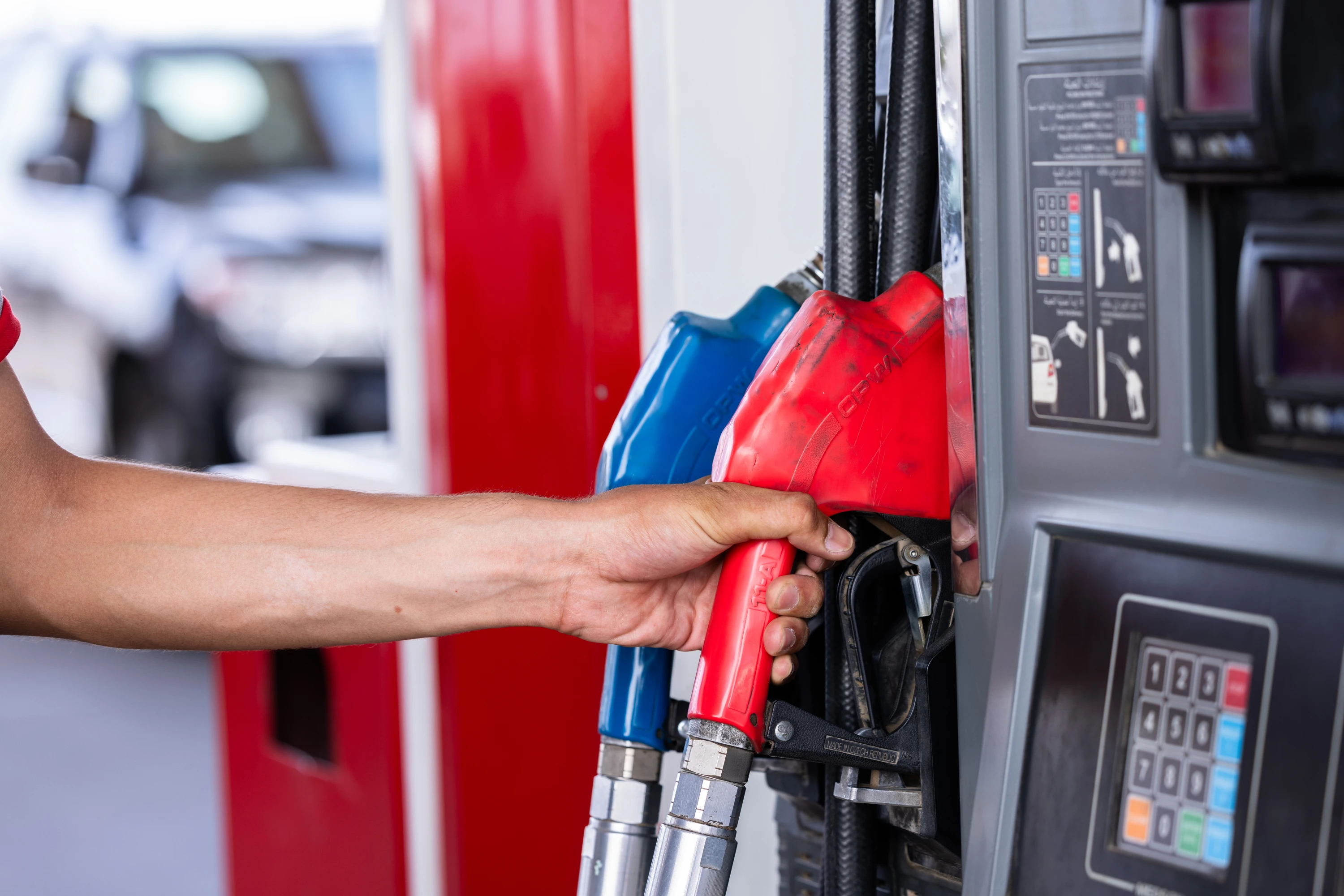
The Kurdistan Region’s gas stations offer three types of petrol of different quality to vehicles: “Normal,” which is the base quality, as well as “Improved” and “Super,” which have higher octane rates. Additionally, some government-affiliated stations offer subsided “Normal” fuel at lower prices.
At first the government reduced the “Normal” gas price but now it has set a cap for the other two qualities as well.
According to the latest directive, the “Normal” quality must be sold at a maximum of 850 Iraqi dinars per liter, the “Improved” gas price was capped at 1,000 Iraqi dinars, and the “Super” quality at 1,200. Subsidized “Normal” gasoline will remain at 750 dinars per liter.
Before the directive was implemented, a liter of commercial “Normal” fuel had climbed up to 1,220 Iraqi dinars, higher than the price now set for the premium quality.
“Aside from government-supplied gasoline, which sells at 750 dinars per liter and is delivered daily to dozens of gas stations across the Kurdistan Region, refineries and fuel-production companies are currently supplying Normal gasoline to gas stations at a price of 830 dinars per liter,” a senior source at the natural resources ministry told The New Region.
“The gas stations must then sell it at 850 dinars, making a profit of 20 dinars per liter, and no more than that is permitted — they are not even allowed to price a liter at 851 dinars,” the source added.
All of the qualities must adhere to standards set by the KRG as well. Besides damaging vehicles, low quality fuel has also been one of the exacerbators of pollution levels in the Kurdistan Region and Iraq.
KRG spokesperson Peshawa Hawramani on Wednesday told The New Region that Prime Minister Masrour Barzani is closely monitoring the implementation of the directive which he initially issued.
Gasoline prices in the Kurdistan had been on an accelerating surge since 2016, when prices initially began climbing as a result of some exporting countries implementing policy-driven hikes to recover from record-low crude oil prices.
The recent regional tensions had also played a role in further increasing fuel prices.
The prices went up across the world as Iran shut the Strait of Hormuz, a key waterway responsible for the transport of roughly 20 percent of the world’s oil, as a means in its war against the US and Israel.
 Facebook
 LinkedIn
 Telegram
 X
X