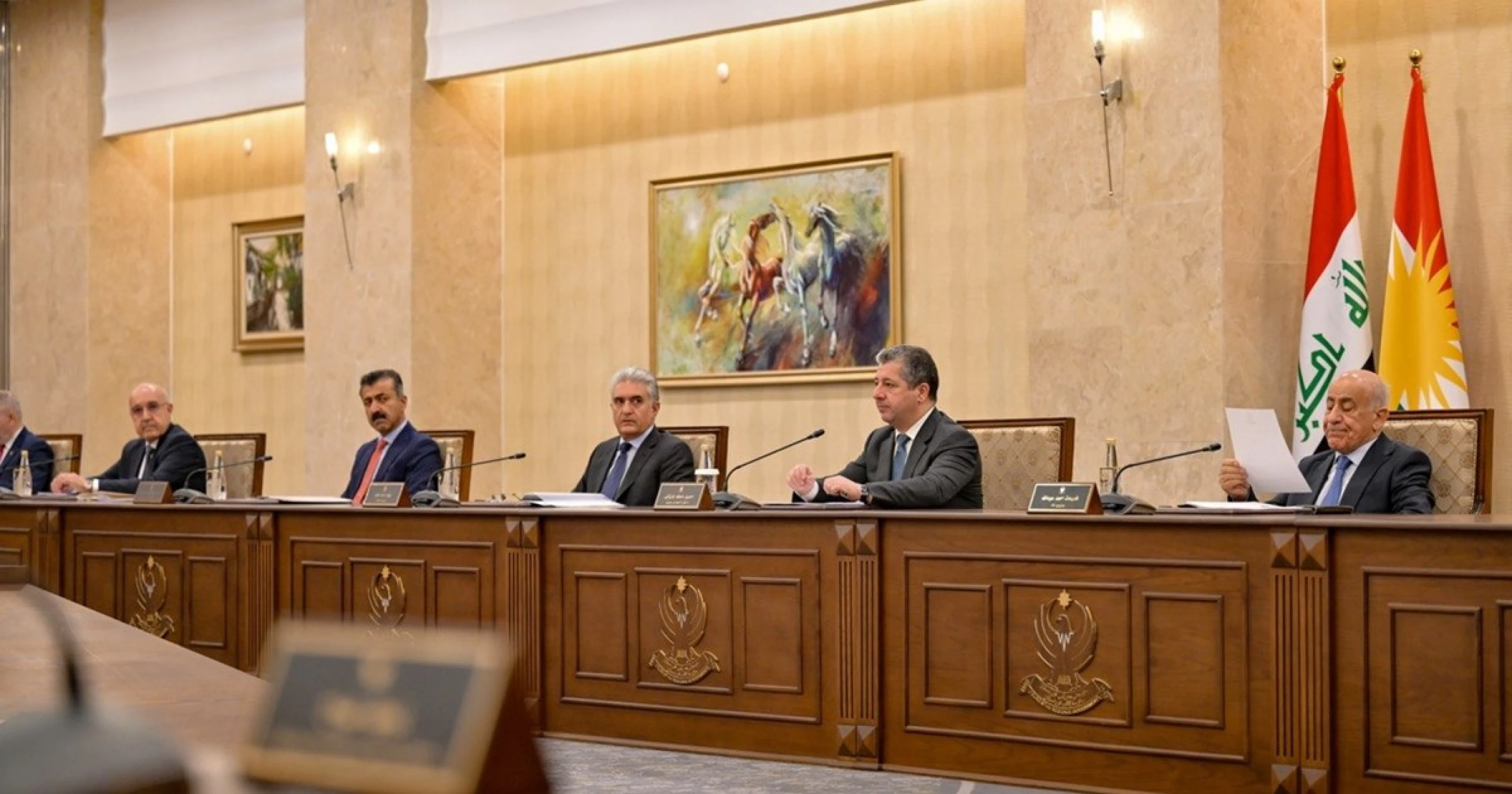
ERBIL, Kurdistan Region of Iraq – The Kurdistan Regional Government’s (KRG) cabinet on Wednesday directed the natural resources ministry to “take all necessary measures” to address a recent spike in gasoline prices, the KRG said in a statement.
The cabinet instructed the ministry to “provide necessary facilities in this regard to provide more fuel and prevent any measures that cause a burden on citizens,” while directing relevant parties to “closely monitor” gas stations to ensure their compliance with the ministry’s prices, according to a statement.
Earlier this month, the Kurdistan Region’s natural resources ministry issued a directive to reduce gasoline prices, authorizing the import of fuel and increasing production so that demand is continuously met.
The Kurdistan Region’s gas stations offer three types of petrol of different quality to vehicles: “Normal,” which is the base quality, as well as “Improved” and “Super,” which have higher octane rates. Additionally, some government-affiliated stations offer subsidized “Normal” fuel at lower prices.
According to the government directive, the “Normal” quality must be sold at a maximum of 850 Iraqi dinars per liter, the “Improved” gas price was capped at 1,000 Iraqi dinars, and the “Super” quality at 1,200. Subsidized “Normal” gasoline will remain at 750 dinars per liter.
Before the directive was implemented, a liter of commercial “Normal” fuel had climbed up to 1,220 Iraqi dinars, higher than the price now set for the premium quality.
The Council of Ministers also approved extending a 20 percent reduction on traffic fines until the end of 2026 at the recommendation of the traffic ministry.
The discount was initially ordered by Prime Minister Masrour Barzani in March 2024, and has been extended several times since.
The cabinet further decided to deduct a portion of legacy electricity debts, ranging from a 25 percent reduction of industrial and business subscribers, all the way to 50 percent for households and agricultural beneficiaries.
The move aims to encourage beneficiaries to pay out their old debts, so that the government can “reuse that revenue in the service of the electricity sector,” and continue working toward providing the entire Kurdistan Region with round-the-clock electricity under its landmark Runaki project.
 Facebook
 LinkedIn
 Telegram
 X
X