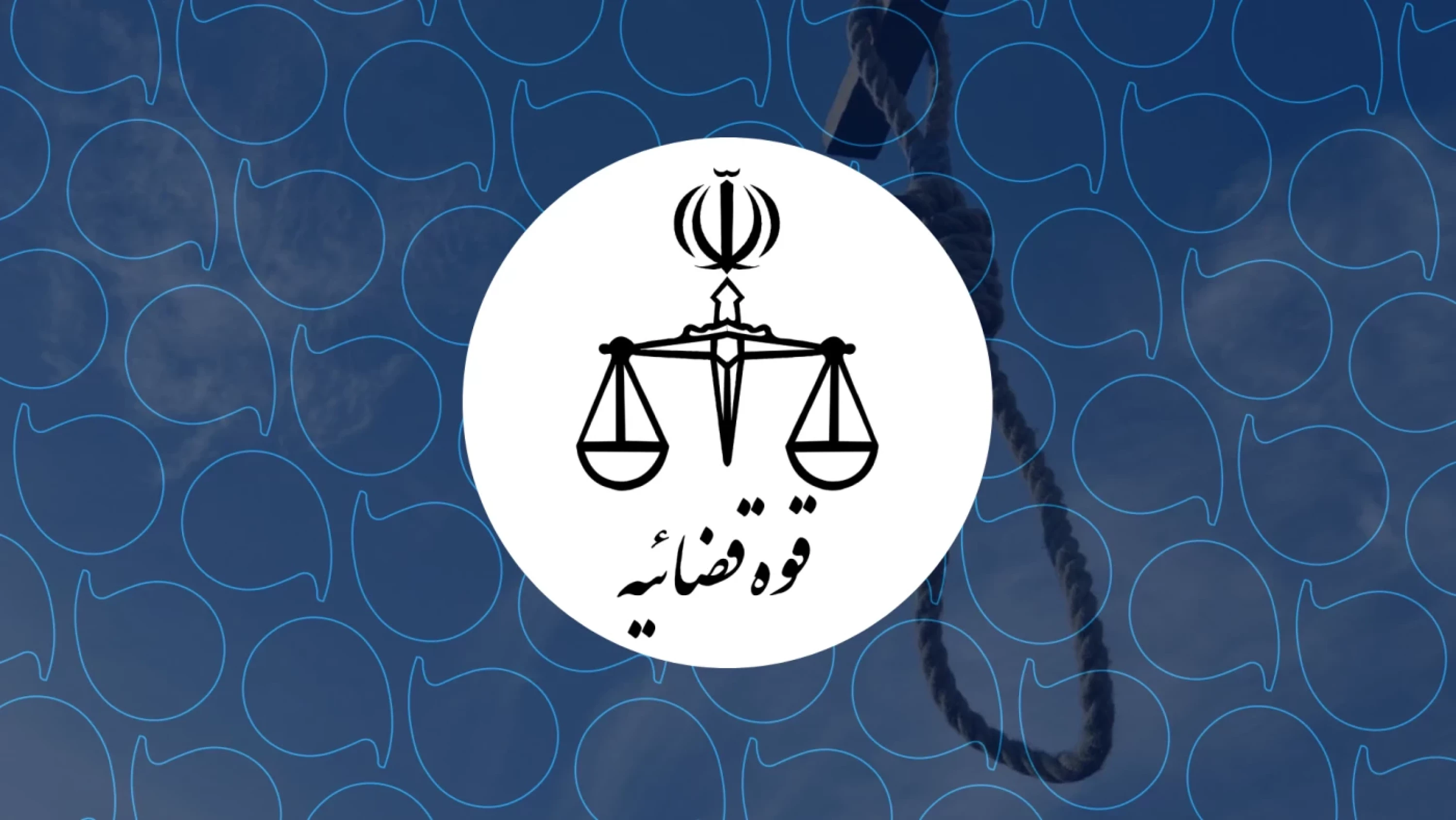
ERBIL, Kurdistan Region of Iraq – Iran on Tuesday publicly executed two accused of killing police officers with machetes and burning them alive in Isfahan during the nationwide January protests, the judiciary announced.
The executions were linked to the so-called Alikhani Square case, in which four members of Iranian security forces were killed during the January protests in Isfahan, per the state’s narrative.
Among the executed, “Abolfazl Sepahi Badjani has been introduced as one of the most influential factors in the Shahid Alikhani Square crime, with most of the defendants also admitting his role in the crime,” the judiciary’s Mizan Online said, accusing him of burning an officer alive.
“He threw one of the officers off his motorcycle, stabbed him in the shoulder with a knife, and then, along with a number of other defendants, dragged the injured officer to the ground. Gasoline was then poured over the officer's body and he was burned while still alive,” it added.
The judiciary confirmed that their death sentences had been carried out, while the semi-official Mehr news agency said it was done in public where their alleged crimes were committed.
Iran typically carries out hangings in prisons, but public executions still occur.
UN human rights experts on Monday censured Iran for issuing death sentences to 12 people in Isfahan during a single hearing, over their alleged involvement in the January nationwide protests, urging Tehran to halt the executions.
“Confessions obtained under coercion must never be admitted as evidence, and broadcasting them before trial violates the presumption of innocence,” the UN experts said.
The other person executed, Amirhossein Safari Hosseinabadi, was accused of attacking injured officers with a machete.
“While the others were hitting the officers with stones and bricks. Two or three of the officers did not move from the severity of the blows. I saw someone pour a bottle of gasoline on the officers' motorcycle and set it on fire. I had covered my face and was also wearing a mask,” Hosseinabadi allegedly confessed.
The death sentences were handed down after trials that took “only three one-hour sessions,” according to the Oslo-based Hengaw Human Rights Organization, claiming that the verdicts were based on “forced confessions” obtained following torture.
Earlier in July, “two of the men were executed, sparking fears for the remaining 10,” according to a UN report on Monday.
Iran has a long history of broadcasting alleged confessions from detainees that are widely believed to have been obtained through threats, psychological pressure, and, in some cases, physical torture.
The UN report said that at least 24 people have been executed in Iran in 2026 in connection with the January protests.
Iran was engulfed in nationwide protests starting late last year, as business owners and shopkeepers at Tehran’s Grand Bazaar went on strike and staged demonstrations over the falling value of the Iranian rial against the US dollar. The unrest later spread to other provinces, with chants increasingly targeting the state.
The protests led to a violent crackdown from Iranian authorities during which tens of thousands of people were killed, injured, or arrested.
The US-based Human Rights Activists in Iran (HRANA) reported that it had confirmed the deaths of 6,388 protestors, as well as 236 children, during the period between December 2025 and February 2026.
 Facebook
 LinkedIn
 Telegram
 X
X