ERBIL, Kurdistan Region of Iraq – Iran’s Islamic Revolutionary Guard Corps (IRGC) warned on Tuesday that countries and companies welcoming US President Donald Trump’s compensation proposal on damaged vessels using Iranian frozen assets will be barred from passage through the Strait of Hormuz.
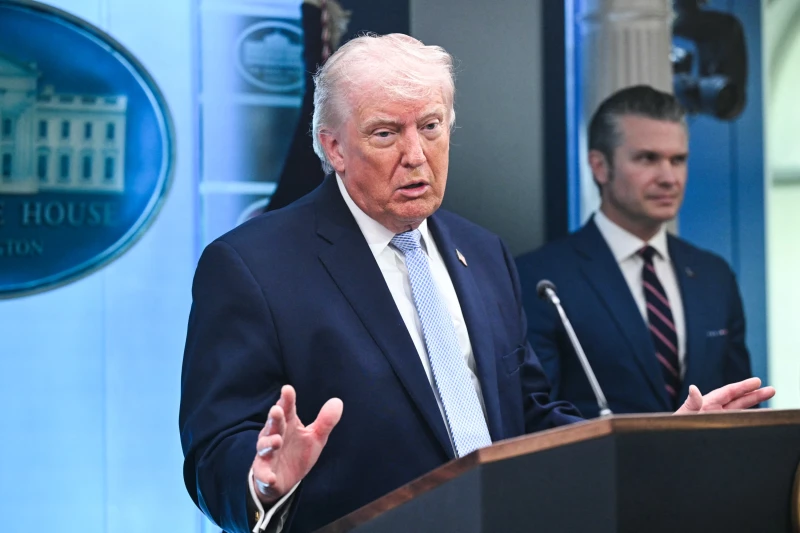
On Friday, Trump said that Washington will use Iranian assets under its control to compensate for shipping damages, as the US military concluded its 13th consecutive night of strikes on Iran.
The IRGC on Tuesday reacted to Trump's proposal, calling it “illegal”, and warned Washington of the consequences.
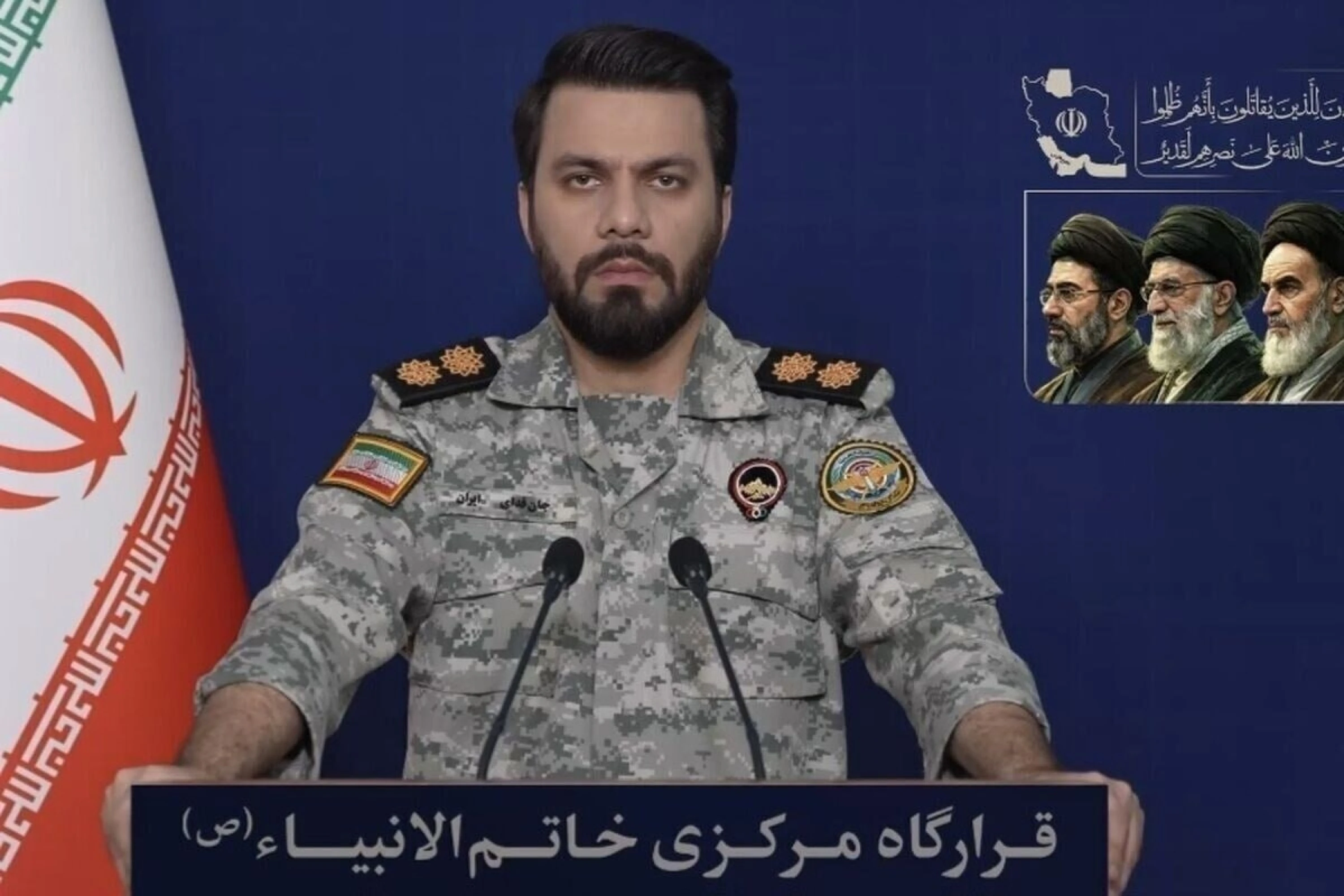
“All companies and countries that welcome Trump's proposal and use Iran's frozen assets under this title, from now on, the armed forces of the Islamic Republic of Iran will not allow any of their vessels to pass through the Strait of Hormuz,” Ebrahim Zolfaghari, spokesperson for the IRGC's Khatam al-Anbiya Central Headquarters, said in a video.
The unfreezing of Iranian assets was one of the provisions of the 14-point US-Iran agreement signed in mid-June to halt military operations and reopen the Strait of Hormuz.
On Monday, Trump said that there is a “good chance” a peace deal could be reached with Iran, claiming that “very friendly” talks are ongoing despite Tehran vehemently denying that any negotiations are taking place.
The US and Iran have exchanged daily strikes since Washington declared an end to the peace deal earlier in July, accusing Tehran of violating the ceasefire by targeting commercial shipping in the Strait of Hormuz.
The renewed hostilities kicked off only 21 days after the Iran-US MoU was inked.
Washington’s rhetoric comes amid increased US frustration with Iranian attacks on commercial transit in the strategic waterway, with the strikes having served as the casus belli that triggered renewed US bombardment of Iran and the rupture of their bilateral memorandum of understanding.
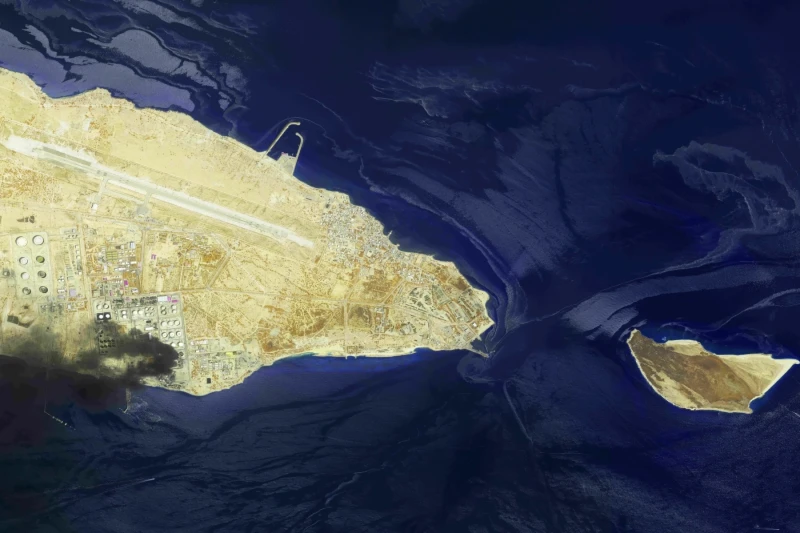
The US has mainly targeted sites in southern Iran near the strategic Strait of Hormuz, while Iran has launched attacks against regional countries hosting US military bases.
 Facebook
 LinkedIn
 Telegram
 X
X