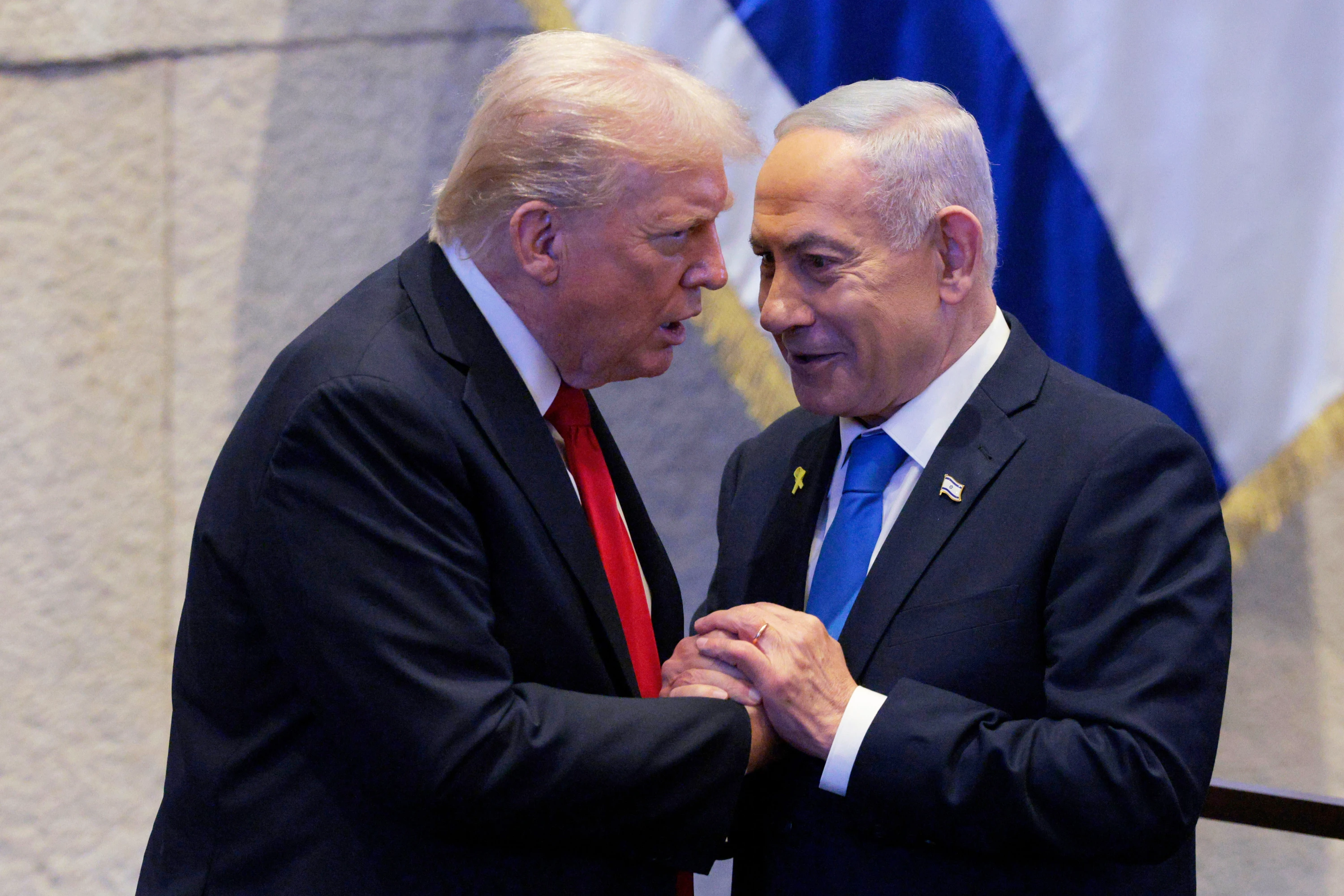
ERBIL, Kurdistan Region of Iraq – Israeli Prime Minister Benjamin Netanyahu is set to meet US President Donald Trump at the White House on Tuesday, where the two are expected to discuss the latest developments regarding Iran and Lebanon, as well as recently passed legislation underpinning greater cooperation in the domain of defense technology.
Tuesday’s meeting will mark the two leaders' eighth meeting since Trump returned to office last year, and their first in person dialogue since the US-Israeli war on Iran began. The Israeli premier has been hosted by Trump more than any other world leader during his current tenure.
"We will discuss all the issues on the agenda, first and foremost Iran. Naturally, our goal is to safeguard our security and also to expand the circle of peace around us," Netanyahu said on Monday before leaving for Washington.
Trump has often spoken of his strong relationship with the premier, despite occasional criticisms recently over Netanyahu's handling of the conflict against Hezbollah in Lebanon and Israeli objections to the sale of F-35 fighter jets to Turkey.
The US president's frustration came to a head in April, when he termed Netanyahu "a very difficult guy" during an interview.
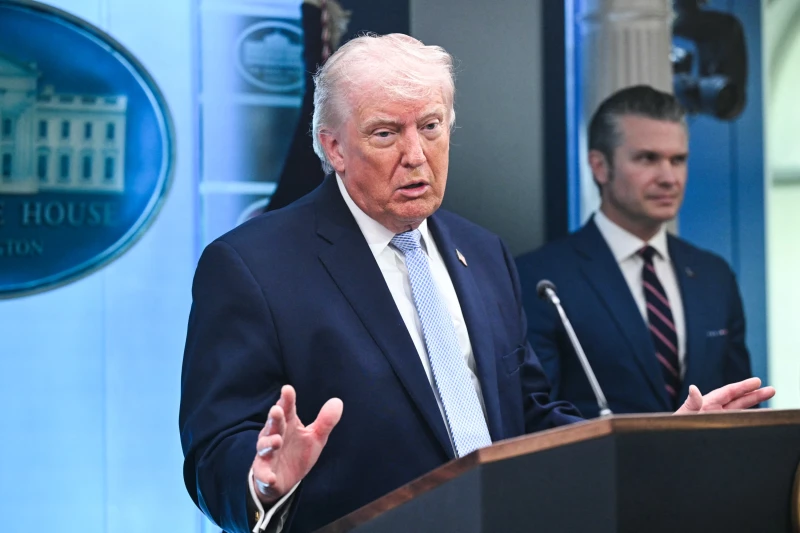
Spraking to reporters aboard Air Force One on Monday, Trump said that Israel "would not survive without us," adding that Netanyahu's concerns regarding the F-35 sales are irrelevant as "nobody tells me what we should be selling or not."
On his way to Washington, Netanyahu’s aircraft flew unhindered through the airspace of International Criminal Court (ICC) member states Greece, Italy, and France, despite the court’s arrest warrant for alleged war crimes and crimes against humanity in Gaza, according to FlightRadar24 data. As signatories to the ICC statute, these nations are legally obligated to arrest Netanyahu and hand him over to the court in The Hague if he enters their territory.
The visit comes amid renewed US-Iran tensions following the collapse of the April ceasefire, with Israel officially sidelined from the latest escalation and Iran expected to dominate the agenda.
However, the two are expected to focus on the full execution of last month’s US-brokered agreement between Israel and Lebanon, though persistent Israeli strikes have consistently undermined its implementation on the ground.
Discussions are also slated to address Gaza, where reconstruction efforts remain stalled nearly three years after the Israeli genocide on Palestinians began, leaving the territory in a dire humanitarian crisis as Israel continues to regularly target civilians despite a nominal US-brokered ceasefire between Israel and Hamas signed last October.
Relations between the two leaders have occasionally been strained over the last few months, driven largely by disagreements over the handling of ongoing conflicts in the Middle East.
Yet, the US House of Representatives passed the fiscal year 2027 National Defense Authorization Act (NDAA) in a 216–212 vote last Wednesday, including plans for further integration of US and Israeli military ties to enhance interoperability.
Section 219 of the bill would deepen US-Israel defense technology ties by directing the Pentagon to integrate Israeli and jointly developed technologies into American military systems across several domains, including counter-drone and anti-tunneling capabilities, missile and air defense, artificial intelligence, quantum technology, and autonomous systems.
The provision also covers directed energy, advanced sensing, cybersecurity, electronic warfare, biotechnology, network integration, data fusion, and weapons co-production.
Republican Congressman Thomas Massie of Kentucky took to X to slam the House defense bill as “a betrayal of American sovereignty,” arguing that it “tragically merges our military technology and supply chain with Israel’s.” The criticism, however, extended well beyond Republican circles, as Democratic lawmakers also contended that Washington should no longer provide Israel with unconditional support.
 Facebook
 LinkedIn
 Telegram
 X
X