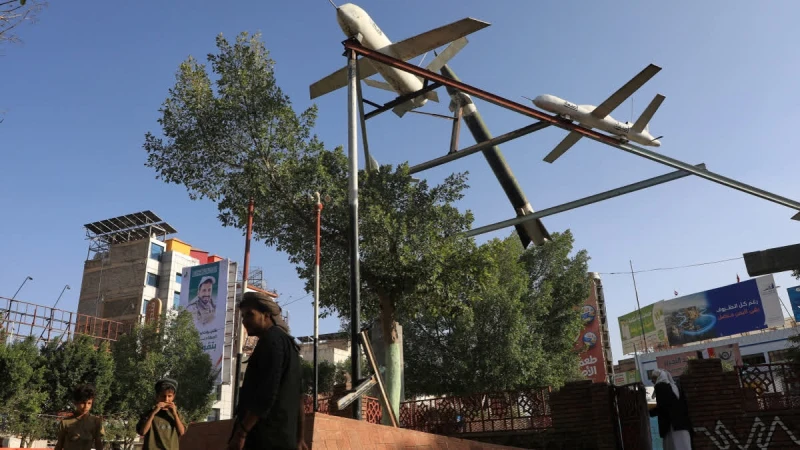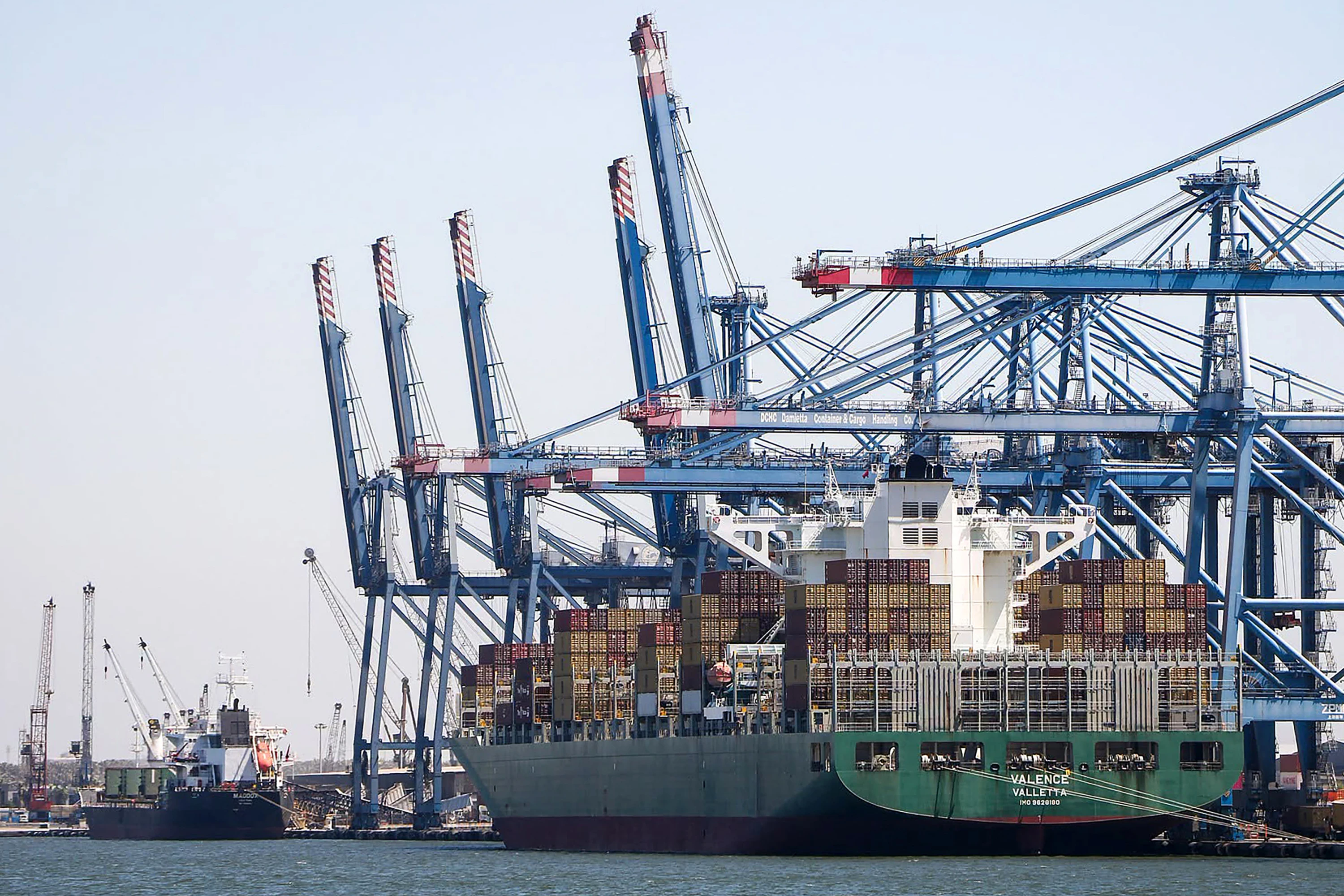
ERBIL, Kurdistan Region of Iraq - Yemen's Houthi-affiliated foreign ministry on Thursday dismissed “unfounded” reports alleging the group’s involvement in a drone attack the day prior on a US-owned-and-operated gas-storage ship at the Egyptian port of Damietta.
"Rumors claiming Yemen targeted a ship in Damietta Port in the Arab Republic of Egypt are unfounded," an official from the movement’s Foreign Affairs Office told Saba, a Houthi-linked media outlet.
Egyptian authorities said Thursday that a fire the day before at the port of Damietta was the result of a drone attack, marking the first targeting of the country since the outbreak of the US-Israeli war on Iran.
Speaking at a cabinet meeting on Thursday, Egyptian Prime Minister Mostafa Madbouly said authorities are investigating the circumstances surrounding the incident and taking necessary measures to safeguard Egypt’s interests and national security.
He further stated that Damietta Port remains fully functional, with shipping and commercial operations proceeding as normal despite the incident.
Egyptian authorities on Thursday attributed a fire that damaged two gas ships to a drone strike, an incident that UK-based private security monitor Ambrey reported began with an attack on a US-owned-and-operated LNG floating storage vessel.
According to Ambrey, at least one unidentified drone struck the US vessel, causing a second ship to catch fire as a result of the incident.
None of the parties involved in the wider Middle East war has claimed responsibility for the attack as of yet.
The attack comes amid heightened tensions between the US and Iran following the collapse of their peace memorandum of understanding, with the current phase of the conflict have seen greater regional involvement, as evidenced in Saudi Arabia's large-scale bombardment of pro-Iran militias in Iraq.
Damietta Port’s location on the Mediterranean – over 1,300 kilometers from Iran and 2,000 kilometers from Yemen – renders a direct attack by the Houthis or Iran unlikely, leaving many to speculate that another Iran-backed proxy was involved.
Egyptian ports have seen a surge in rerouted trade as major shipping lines flee the volatility of the Strait of Hormuz, according to data from Vortexa and MarineTraffic.
With the Houthi blockade and subsequent strikes on Saudi-flagged vessels in the Bab al-Mandeb, Egyptian ports have seen a surge in rerouted trade as major shipping lines flee the volatility of the Strait of Hormuz, forcing tankers hauling Saudi crude onto the Suez Canal and Egypt’s overland pipelines – a costly but vital detour that remains the only viable safe passageway.
However, the success of alternative routes depends entirely on the security of Egypt’s shipping lanes and the continued stability of the Mediterranean, with any future attacks risking a further spread of maritime disruption.
 Facebook
 LinkedIn
 Telegram
 X
X