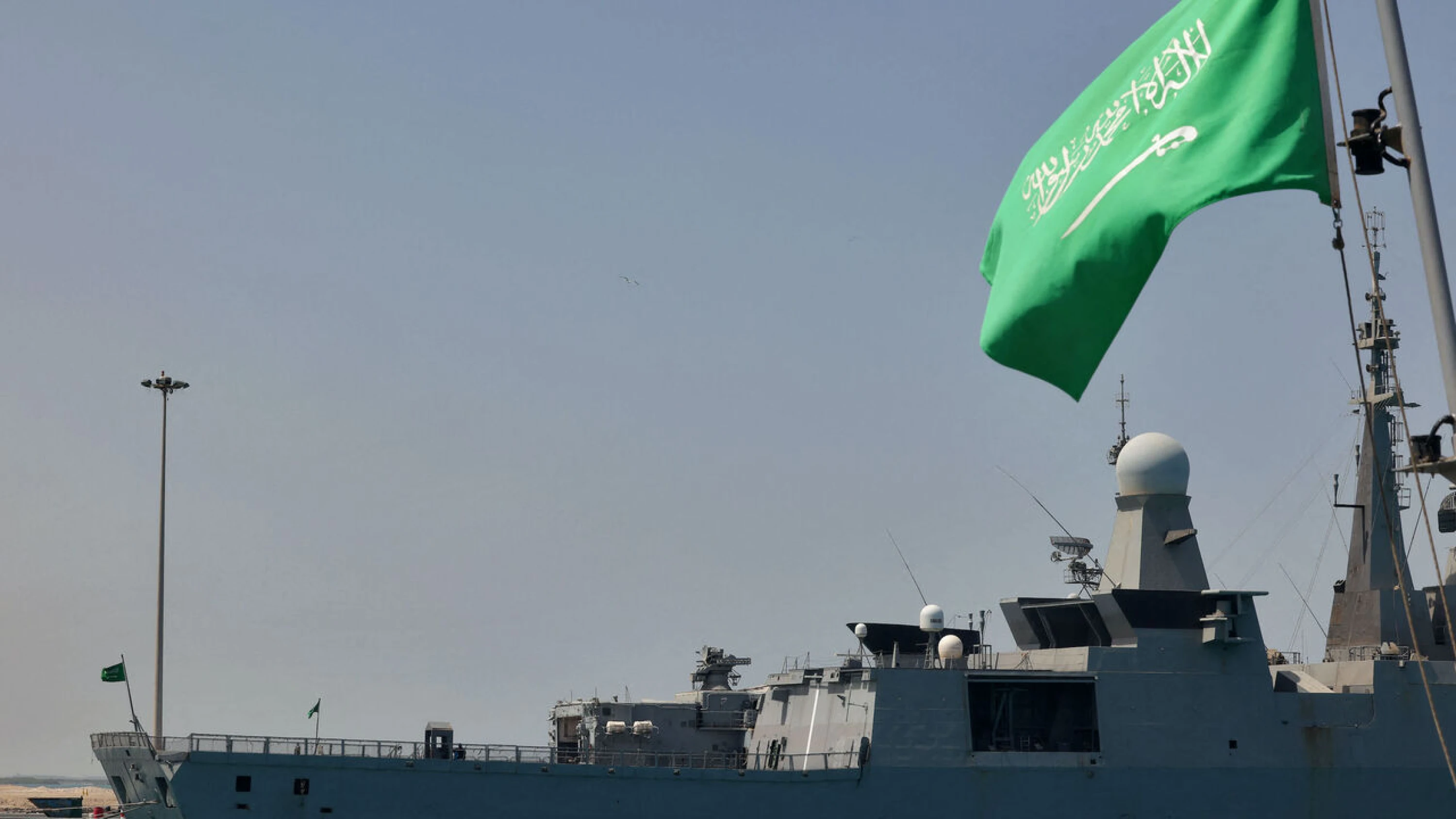
ERBIL, Kurdistan Region of Iraq - The Saudi defense ministry on Thursday proposed a naval alliance seeking to "protect freedom of navigation" and "secure global energy supply routes," with 13 other nations having issued a joint statement affirming their support for the initiative.
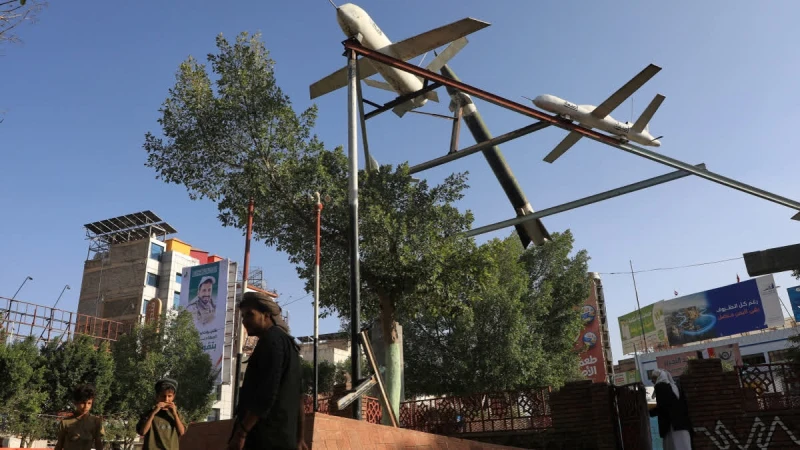
The recently announced blockade of Saudi transit in the Red Sea by Yemen's Houthi rebels has exacerbated Riyadh's need to secure its local waterways, with Houthi strikes in the Bab el-Mandeb Strait having hampered a key alternative trade route amid Iranian wartime restrictions on the Strait of Hormuz.
In a statement, the defense ministry announced that it held a meeting with representatives of 43 countries - of a total of 51 invitees - and the European Union delegation in Riyadh "to discuss the Kingdom's initiative to establish a multinational maritime defense alliance."
"Participants discussed the growing threats targeting maritime security, including attacks on commercial vessels, energy tankers, and maritime infrastructure, and the risks these pose to the safety of maritime navigation," the ministry said, noting that the structure of the proposed alliance and command and control details were also explored.
Of the 43 delegations in attendance, Saudi Arabia, Kuwait, Bahrain, Qatar, Pakistan, Turkey, Egypt, Jordan, Yemen, Bangladesh, Nigeria, Sudan, Djibouti, and Somalia subsequently put their names to a joint statement backing the proposal.
The signatories asserted that they were "recognizing the growing challenges to global maritime security and the need to enhance collective maritime defense cooperation to protect freedom of navigation and international trade routes, and to secure global energy supply routes in the Bab el-Mandeb Strait, the Red Sea, and the Gulf of Aden," as well as stressing that the alliance is "purely defensive in nature and does not target any state, alliance, or international organization."
Participants also pledged to strengthen cooperation in the areas of "maritime security, information and intelligence sharing, operational planning, joint exercises, lessons learned, training, capacity building, and the execution of joint maritime operations."
The coalition is to be called the Multinational Maritime Defense Alliance, with its headquarters and command centers to be located in Saudi Arabia.
The UAE, with whom Riyadh has an often tenuous diplomatic relationship, and Oman, who drew criticism from Washington over its perceived acquiescence to Iranian proposals for management of the Strait of Hormuz, were the only Gulf Cooperation Council (GCC) states that did not join the statement expressing interest in participating in the alliance.
Iraq was similarly absent from the framework agreement, coming mere days after Saudi Arabia and the US conducted large-scale strikes on bases of Iraq's Popular Mobilization Forces (PMF) in retaliation for drone strikes against Saudi oil infrastructure that Riyadh alleged were conducted by pro-Iran militias from Iraqi soil.
The strikes drew official condemnation from Baghdad and prompted Prime Minister Ali al-Zaidi to cancel a scheduled visit to Saudi Arabia.
The proposed maritime alliance comes at at time in which Iran and its regional allies have proven increasingly capable of disrupting shipping in the region, with Tehran's Hormuz blockade having caused energy prices to skyrocket during the war with the US and Israel.
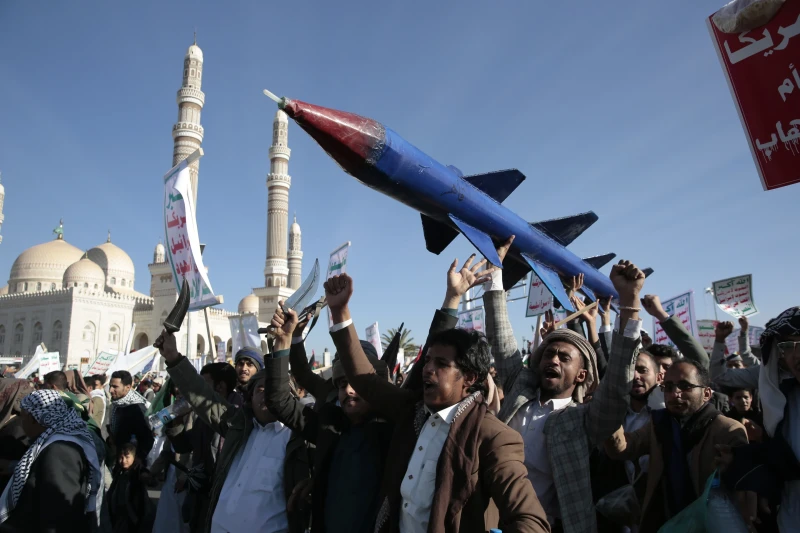
Similarly, Yemen's Houthis, who battled Saudi Arabia and the country's internationally recognized government for over a decade in the mid 2010s, targeted Israeli- and Western-linked vessels in the Red Sea in protest of Israel's genocide in Gaza, a precursor to the current embargo on Saudi shipping.
A US-owned-and-operated gas-storage ship came under a drone attack in Egypt's Damietta Port on Wednesday, with no actor having claimed responsibility as of yet for what represents a potential expansion of maritime targeting to the Mediterranean Sea.
 Facebook
 LinkedIn
 Telegram
 X
X