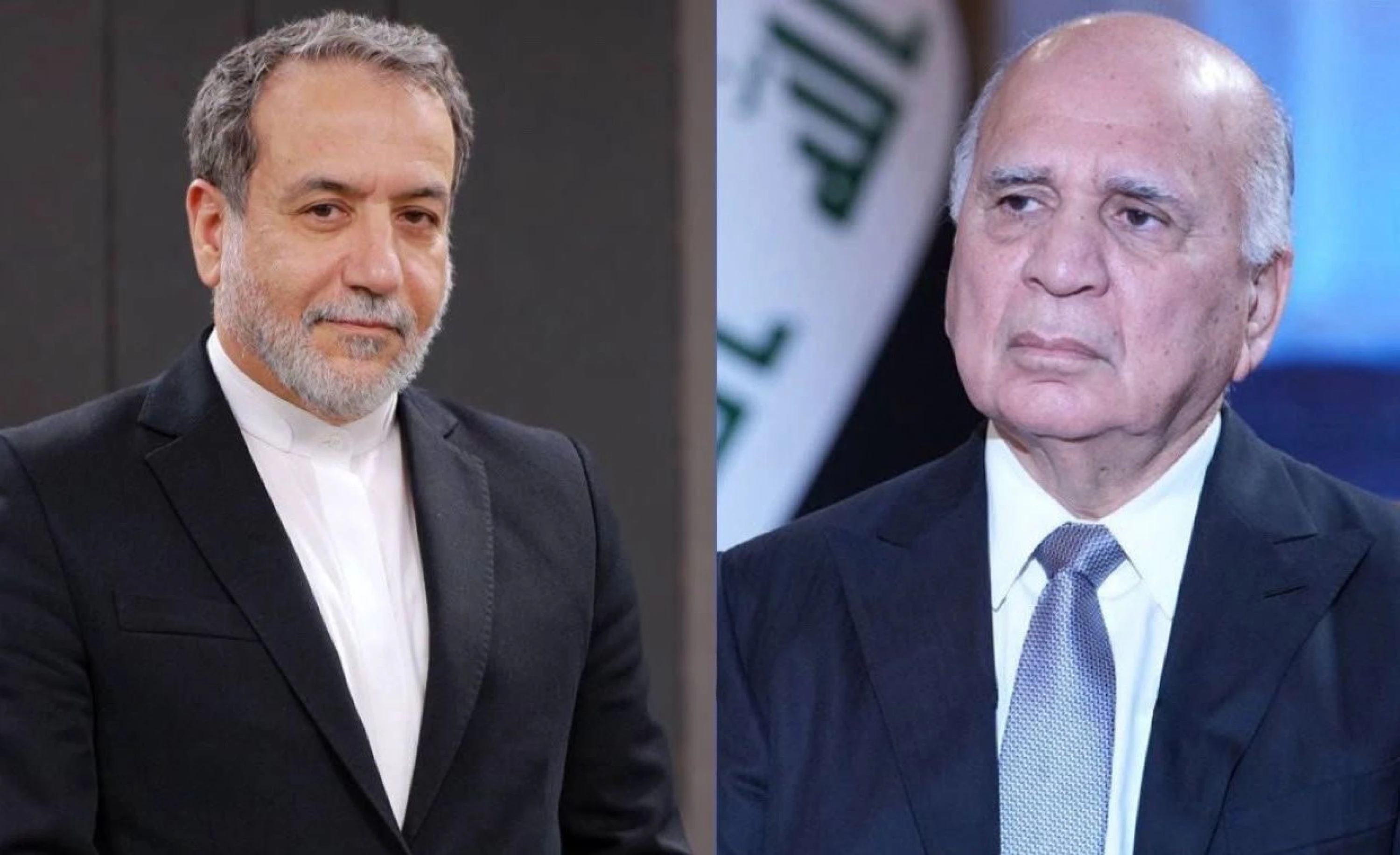
ERBIL, Kurdistan Region of Iraq - Iraqi Foreign Minister Fuad Hussein and his Iranian counterpart Abbas Araghchi held a phone call late Sunday, discussing developments in the Strait of Hormuz and “their impact on maritime security.”
During the call, Araghchi briefed Hussein on “the ongoing efforts and discussions aimed at reaching understandings that would contribute to reopening” the waterway.
The Strait of Hormuz is a vital waterway south of Iran, through which around 20 percent of the world’s oil is transported. Iran has shut down the strait during its conflict with the US.
Iranian authorities have repeatedly stressed Tehran's right to maintain control over the vital waterway in cooperation with coastal Oman, a proposition that Washington has repeatedly rejected.
US President Donald Trump said negotiations with Iran are set to resume Monday, after he halted attacks on the country in a bid to restart talks for a possible deal that will end the months-long conflict.
The Iraqi foreign minister expressed his country’s “welcome of a return to dialogue and diplomacy as the best way to address differences and resolve outstanding issues, thereby contributing to enhanced security and stability in the region.”
“Iraq is closely monitoring developments and hopes for reaching understandings that will contribute to reopening the Strait of Hormuz as soon as possible,” he added.
Earlier on Sunday, Araghchi said negotiations between Iran and Oman were “on the way to being finalized,” as several rounds of talks have been held between Muscat and Tehran on the matter.
The strait has been shut since late February when the US-Israel war with Iran started. The warring parties reached a memorandum of understanding (MoU) on June 17 to end hostilities and return to dialogue for 60 days. One of the key points for the US to end hostilities was free navigation in the waterway.
Iraqi oil exports plummeted by over 80 percent after the strait’s closure, going from nearly 100 million barrels in February down to 18.6 million barrels in March at the height of the conflict.
Oil revenues in March were just shy of $2 billion, compared to the $6 billion brought in just a month earlier before the war started, according to data from the oil ministry.
The US-Iran MoU fell through 21 days later, with the US Central Command (CENTCOM) saying Iranian forces had targeted a Cyprus-flagged ship transiting the strait.
 Facebook
 LinkedIn
 Telegram
 X
X