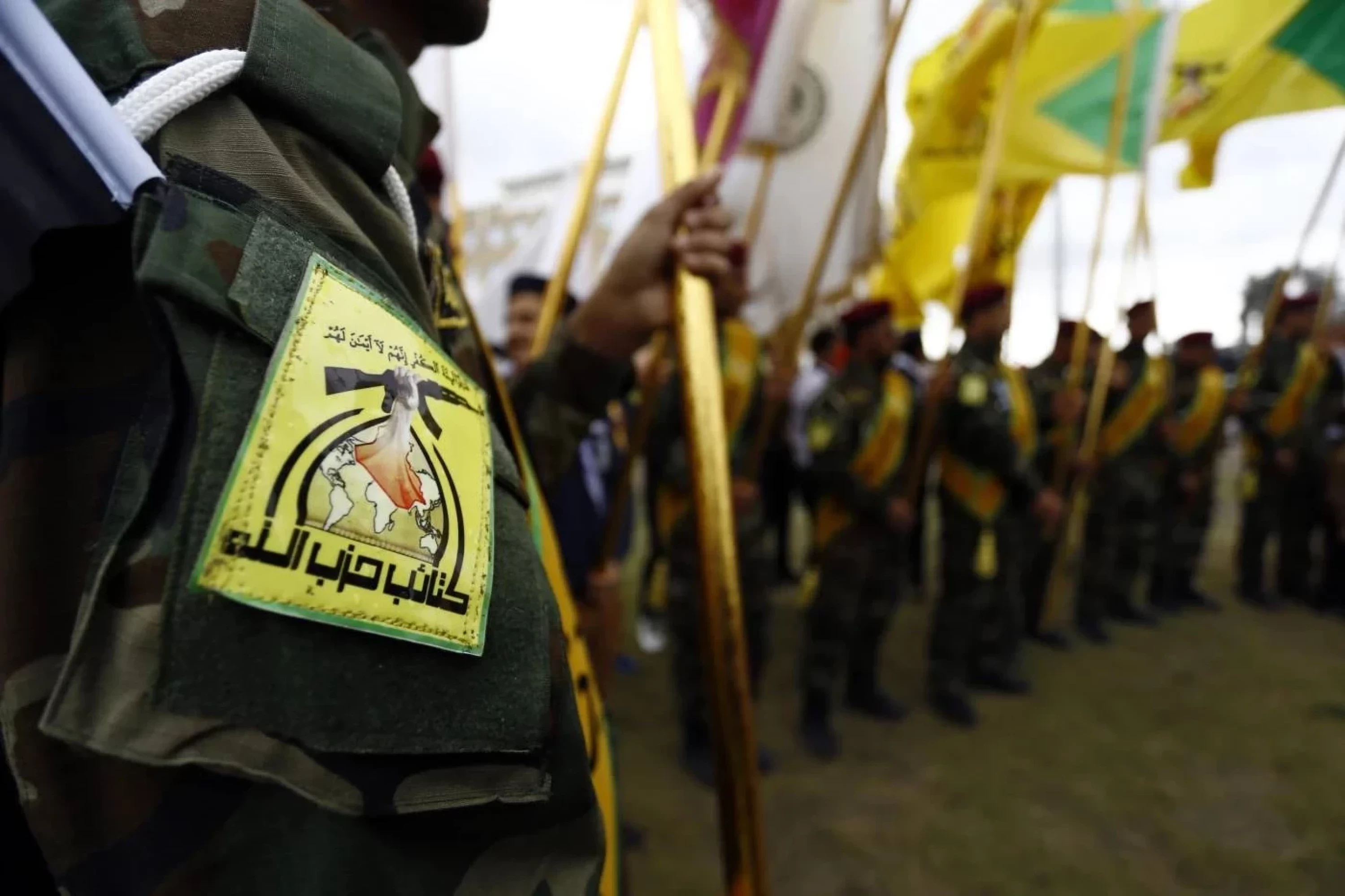
ERBIL, Kurdistan Region of Iraq - Abu Hussein al-Hamidawi, leader of Iraq’s pro-Iran Kataib Hezbollah, on Monday said the events that the region and the so-called Axis of Resistance have experienced in the past year “necessitate” that the resistance remain committed to its arms and expand its arsenal.
The Iraqi government under Prime Minister Ali al-Zaidi has led a renewed drive to disarm militias and restrict weapons to state control, vowing to complete all disarmament by the end of September, and drawing the ire of pro-Iran armed factions in the country.
In a statement marking the end of the Arbaeen pilgrimage, Hamidawi recounted the challenges the region has endured over the last year as “the forces of evil and darkness waged criminal wars against the peoples of the region, shedding blood, terrorizing the innocent, and leaving behind tens of thousands of martyrs and wounded.”
The faction leader paid respects to the Islamic Resistance fighters that have been killed over the last year, lauding them for being “a living continuation of the school of sacrifice and selflessness, and a symbol of dignity and defiance.
Hamidawi also claimed that the large turnouts at ceremonies honoring Iran’s slain leader Ayatollah Ali Khamenei represented “a renewal of the covenant,” and “a continuation of the struggle in the way of God, and a deterrent to every aggressor, making them pay a heavy price for their aggression,” drawing special attention to the recent deadly US-Saudi strikes on Popular Mobilization Forces (PMF) bases in Iraq, calling the attack “a dangerous precedent that portends repercussions that could usher in a new era in the region.”
“This necessitates our adherence to the weapon of resistance, our unwavering commitment to it, and our development and expansion of its arsenal. It also compels us to strive to purify our security environment, while emphasizing the absolute necessity of adhering to security procedures and maintaining secrecy, commensurate with the scale of the challenges, to deter all those who wish us harm in the wars of this era,” read the statement from the Kataib Hezbollah leader.
Hamidawi also pointed to the large turnout for the Arbaeen pilgrimage in Karbala, as millions of Shiite pilgrims arrive in the Iraqi holy city, expressing gratitude to the authorities and bodies overseeing the logistical and security protocols at the event, especially the PMF.
Several bases of the PMF, a state-integrated but Iran-backed paramilitary umbrella group, across seven provinces of Iraq, killing at least 20 fighters and injuring 32 others.
The strikes drew widespread condemnations across the Iraqi political scene, including the ruling Shiite Coordination Framework during an emergency session chaired by Prime Minister Zaidi.
The attack has also thrown a wrench in the government’s plans to restrict arms to the state, with the factions echoing louder calls for resistance, using “the violation of Iraqi sovereignty” as a pretext.
The disarmament initiative is heavily backed by Washington, which has long pushed for the groups, especially the Iran-aligned ones, to be dismantled and banned.
Hours before the attacks, the Saudi defense ministry reported intercepting numerous drones allegedly launched by pro-Iran militias in Iraq seeking to target oil infrastructure for a second consecutive day, emphasizing “the Kingdom's inherent right to defend itself and its assets and its right to respond at the appropriate time and place.”
 Facebook
 LinkedIn
 Telegram
 X
X