ERBIL, Kurdistan Region of Iraq – An oil pipeline linking Haditha in Iraq to the Syrian coast of Baniyas is set to take “three years at most” to be restored, a Syrian official said on Tuesday, as Baghdad seeks alternative routes to the volatile Strait of Hormuz.
Iraq and Syria signed a memorandum of understanding (MoU) in June to restore a pipeline from Haditha in the western Anbar province to Baniyas on the Syrian Mediterranean coast.
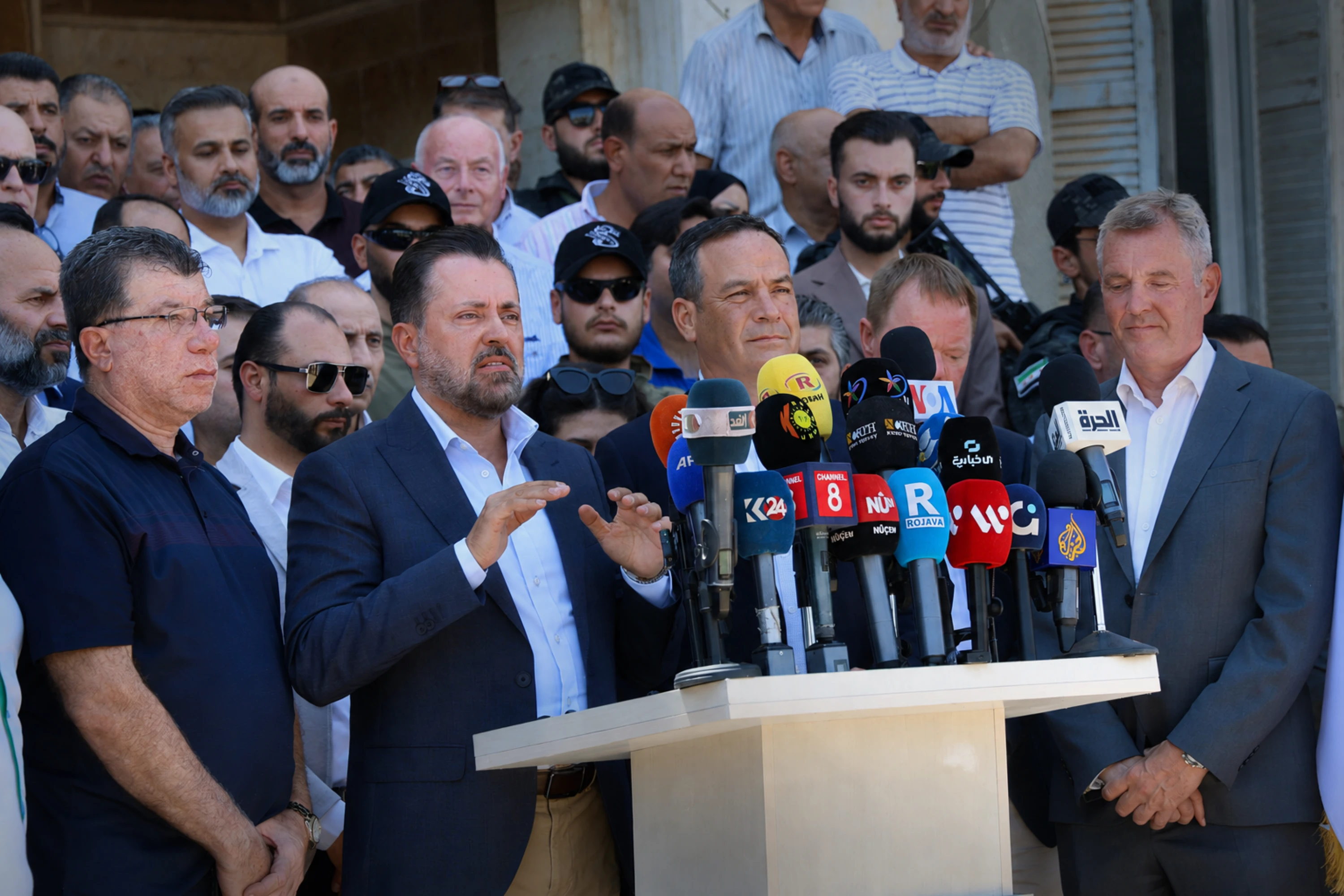
Youssef Qablawi, CEO of the state-owned Syrian Petroleum Company, said that “negotiations have begun to finalize the contract, and we are now working with the companies that will invest in this pipeline.”
“Engineering studies and the purchase of materials will then begin, followed by construction. Implementation will take between 30 months and three years at most, after which the pipeline will be ready,” Qablawi told reporters at the Rmeilan oil field in Rojava’s (northeast Syria) Hasaka province.
He hailed the project as one that “will generate substantial revenues” for Damascus and Baghdad, explaining that it “consists of two pipelines with a capacity of 1.5 million to a maximum of two million barrels [per day].”
The Haditha-Baniyas pipeline dates to 1925, according to Syria’s state-owned SANA news agency. It was damaged during the US invasion of Iraq in 2003 and went out of service.
On Saturday, Iraq’s oil ministry announced that Baghdad and Ankara signed a one-year agreement to transport 750,000 barrels of Iraq’s oil through the Ceyhan pipeline daily.
Iraqi oil ministry spokesperson Salim al-Rikabi told The New Region on Sunday that a new pipeline from Basra to Ceyhan is expected to be completed in three years or less.
Iraq’s oil exports plummeted by over 80 percent following the closure of the Strait of Hormuz, a key waterway responsible for the transport of roughly 20 percent of the world’s oil, going from nearly 100 million barrels in February down to 18.6 million barrels in March, at the height of the conflict.
As a result, Baghdad has sought alternative long-term measures to ensure its export stability, both by increasing exports to the Ceyhan port and through transporting truckloads of oil to Baniyas.
In May and June, Iraq exported 32.1 million barrels of oil, generating a total revenue of $2.3 billion, in comparison to $6 billion generated in February alone.
 Facebook
 LinkedIn
 Telegram
 X
X