ERBIL, Kurdistan Region of Iraq – The Kurdistan Regional Government’s (KRG) board for areas outside the Region on Thursday condemned “unconstitutional” remarks by the Turkmen governor of disputed Kirkuk regarding Article 140 of the Iraqi constitution, defending the item as “the clearest roadmap for resolving a longstanding national issue.”
Kirkuk Governor Mehmet Seman, leader of the Iraqi Turkmen Front, in a Wednesday interview with Iraqi state media answered “Article 140” to a question titled “the biggest strategic mistake the Iraqi state has made regarding Kirkuk since 2003.”
Seman stressed that the Turkmens “rejected the constitution at the time because we believed it [Article 140] would cause problems in the future, and it did cause problems,” referencing the Kurdistan Region’s independence referendum, despite a landslide 92.7 percent in favor of secession from Iraq.
The KRG’s General Board for Kurdistani Areas Outside the Region slammed Seman’s remarks as “unconstitutional,” stressing, “Article 140 of the constitution has charted the clearest roadmap for resolving a longstanding national issue — namely the question of the identity of a vast area of the country's territory in Iraq.”
“We believe the constitution has drawn a balanced path toward resolving this issue within the framework of a federal Iraq,” the board said in a statement sent to The New Region.
It called on Seman to refrain from such statements “at this sensitive juncture” and instead “promote genuine coexistence in the city and distance himself from using language that contradicts the constitution.”
“Unconstitutional statements and positions generate widespread mistrust and divert focus from the service-related issues that Kirkuk today needs more than ever,” the statement asserted.
Article 140 of the Iraqi constitution requires the reversal of the Baaathist regime’s Arabization policies and mandates a process to outline a clear and definitive boundary in areas disputed between Erbil and Baghdad - including Kirkuk - by introducing a referendum to determine the will of the residents living on the lands.
According to the constitution, no changes can be made to disputed territories until Article 140 is implemented.
Although the article specifies that this process must be completed by no later than December 31, 2007, successive Iraqi governments have failed to implement the constitutional article for nearly two decades.
Seman’s remarks also drew strong condemnation from the Kurdistan Region’s ruling party, the Kurdistan Democratic Party (KDP).
In a statement late Wednesday, the KDP’s Kirkuk-Garmiyan Organization Office slammed Seman’s remarks as “irresponsible” and “an attempt to stir sedition.”
“The constitution and Article 140 have laid out a correct and contemporary roadmap for resolving and eliminating disputes in Kirkuk province and other areas of Iraq,” the KDP said.
“The governor of Kirkuk's irresponsible statements claiming that Article 140 of the constitution no longer exists amount to invalidating and nullifying the constitution. He himself knows well that if the constitution ceases to exist, it means Iraq as a state is rendered void and ceases to be,” it added.
Kurdish authorities have for years criticized Baghdad and accused the federal government of lacking the political will to implement Article 140.
Seman was elected as Kirkuk’s governor in mid-April after Rebwar Taha of the Patriotic Union of Kurdistan (PUK) stepped down as part of a deal with Arab parties in a controversial Baghdad meeting in August 2024 that was boycotted by the KDP.
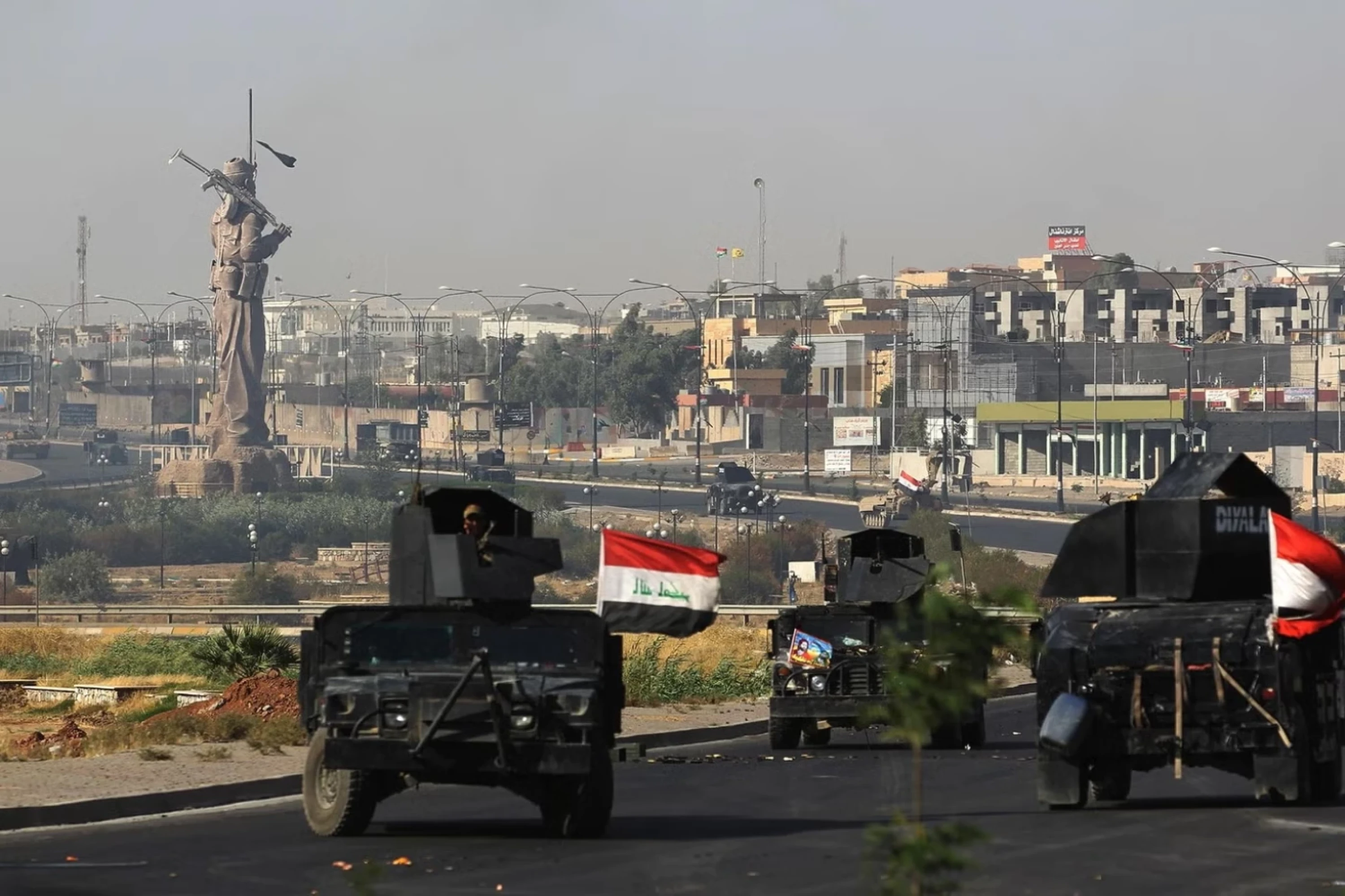
On October 16, 2017, the Kurds lost control over Kirkuk and other disputed territories after a military offensive by the Iraqi government was conducted in the province, bringing it under the rule of Baghdad. The Kurdish authorities have continuously pledged the eventual return of the lost territory.
 Facebook
 LinkedIn
 Telegram
 X
X