ERBIL, Kurdistan Region of Iraq - Kurdistan Region Prime Minister Masrour Barzani said the Region’s trade activity has declined by more than 70 percent since the US-Iran war began, as attacks in the region have slowed economic activity.
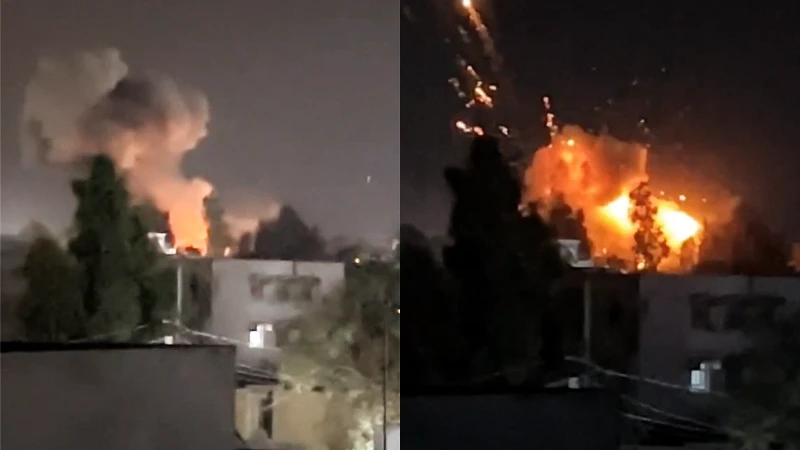
The Kurdistan Region has been subjected to more than 1,000 missile and drone attacks since the war began in late February.
Barzani said in an interview with Al Jazeera aired late Sunday that the Region’s trade volume with neighboring countries had “declined significantly," while economic activity had slowed due to the ongoing regional conflict.
“There is a direct and large impact on our economy,” he said.
He said the closure of the Strait of Hormuz has been hampering Iraq’s exports, negatively affecting both the Iraqi economy and the Kurdistan Region.
He added that attacks on the Kurdistan Region in recent months had slowed economic activity and noticeably reduced trade with neighboring countries, with trade having been reduced by over 70 percent compared to before.
He also said the attacks had made it difficult for oil companies to return to the Region to invest and resume operations, adding that they were only able to return after Baghdad provided assurances.
In mid-June, Baghdad and Erbil reached an agreement aimed at protecting oil companies and ending attacks targeting them, creating conditions for “resuming oil production and exports to revitalize the economy and support reconstruction,” Iraqi Prime Minister spokesperson Sabah al-Numan said at the time.
The Iraqi economy, which relies heavily on oil, has been battered since the closure of the Strait of Hormuz, through which Baghdad exports most of its oil, with exports having been slashed to a fraction of their pre-conflict levels.
Barzani reiterated that the Kurdistan Regional Government (KRG) stands ready to help the Iraqi government alleviate its economic troubles, but said this would not be sufficient, as the large cut in oil production and exports cannot be compensated for by the Region.
 Facebook
 LinkedIn
 Telegram
 X
X