ERBIL, Kurdistan Region of Iraq - Iraqi Prime Minister Ali al-Zaidi has been invited to Saudi Arabia, a government spokesperson said Monday, coming after large-scale joint US-Saudi airstrikes targeting pro-Iran armed groups across Iraq scuppered a previously planned visit to the Kingdom.
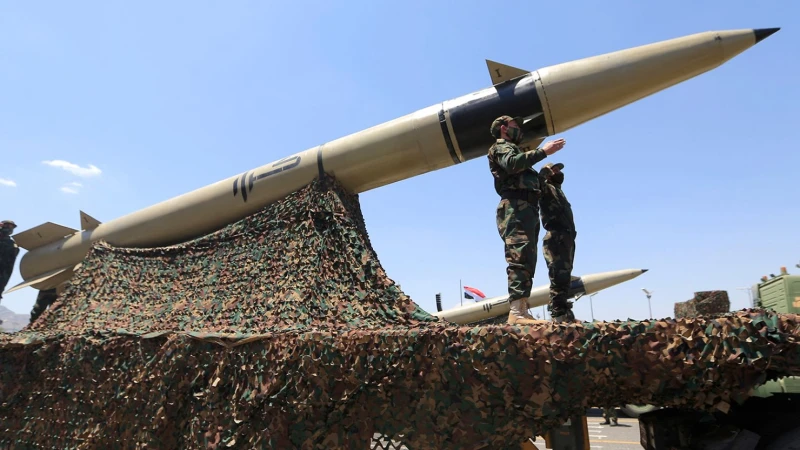
In late July, Saudi Arabia and the US conducted large-scale joint airstrikes targeting pro-Iran armed groups across Iraq, killing and injuring dozens, drawing condemnation from Baghdad and upping the urgency to control actors operating outside of state control.
Haidar al-Aboudi said Zaidi “has received another invitation to visit Saudi Arabia, but no date has been set yet.” The premier was set to visit Riyadh on July 30, with the trip having abruptly been cancelled following the diplomatic tension inflamed by the airstrikes the day prior.
In his Monday remarks, Aboudi added that Baghdad was not aware of the US-Saudi strikes on Popular Mobilization Forces (PMF) positions, adding that discussions regarding the issue of state control over weapons are ongoing and the government is proceeding with its plan to monopolize power according to the deadline set for the end of September.
Since assuming office, Zaidi has made the disarmament of armed groups a key priority of his government, coming as attacks by pro-Iran Iraqi militias on neighboring countries have been detrimental to the country's diplomatic relations and provoked retaliatory strikes.
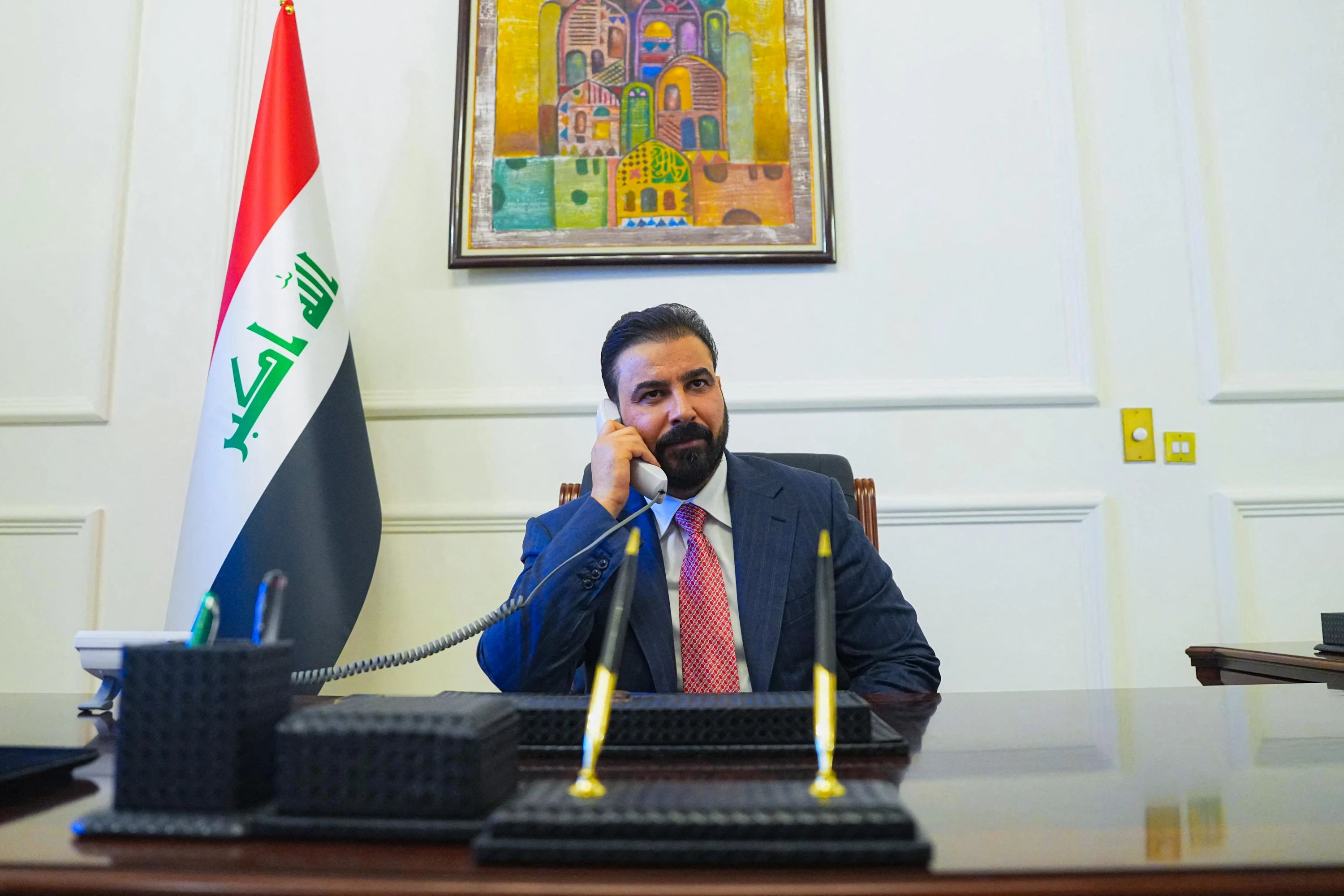
On Friday, Zaidi received head of the Saudi General Intelligence Directorate Khalid bin Ali al-Humaidan in Baghdad, reiterating to Iraq's “firm stance” on not allowing its territory to be used as “a launching pad” to strike any other country.
While several pro-Iran armed factions have announced their willingness to hand over their weapons and integrate into the state security apparatus, others have expressed skepticism.
The disarmament initiative is heavily backed by Washington, which has long pushed for the groups – many of which have strong ties to Iran – to be disarmed.
Besides being ground for military operations on both sides of the US-Iran conflict, the war has also hit Iraq’s economy with the closure of the Strait of Hormuz.
As a means in its war against the US and Israel, Iran has shut the Strait of Hormuz, a vital waterway responsible for the transport of roughly 20 percent of the world’s oil, while Iraq’s economy is largely dependent on oil exports.
Iraqi oil exports plummeted by over 80 percent after the strait’s closure, going from nearly 100 million barrels in February down to 18.6 million barrels in March at the height of the conflict.
Baghdad has not resorted to “external debt” despite ongoing economic challenges, Aboudi affirmed.
The federal parliament is set to hold an emergency session next week to address the country’s worsening financial situation and secure public sector salaries, state media reported Thursday.
In a televised interview in June, Iraqi Foreign Minister Fuad Hussein said that Baghdad has resorted to printing cash 25 percent more than its actual financial capacity, warning that a financial catastrophe awaits Iraq if the conflict continues until the end of the year.
The Central Bank of Iraq (CBI) has reportedly pumped around 43 trillion dinars (~$32.8 billion) into the market by printing more banknotes, reaching into its reserves, and retrieving embezzled funds.
Zaidi launched an anti-graft campaign in June, starting with a sweeping raid of Baghdad’s Green Zone, which saw the arrest of several high-ranking Iraqi officials.
Since then, arrests have continued, with Aboudi also confirming that the campaign is ongoing.
 Facebook
 LinkedIn
 Telegram
 X
X