ERBIL, Kurdistan Region of Iraq - The leadership of the Popular Mobilization Forces (PMF) were warned to evacuate their bases prior to the deadly US-Saudi attacks, but the information was not relayed to the bases, the spokesperson for influential Shiite cleric Muqtada al-Sadr said on Monday, adding that a media campaign was launched against Sadr in the aftermath to divert attention from this “internal crime.”
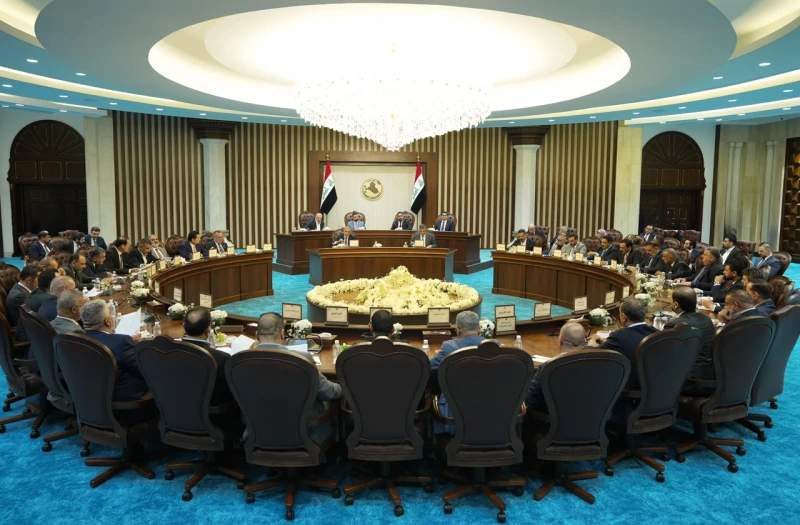
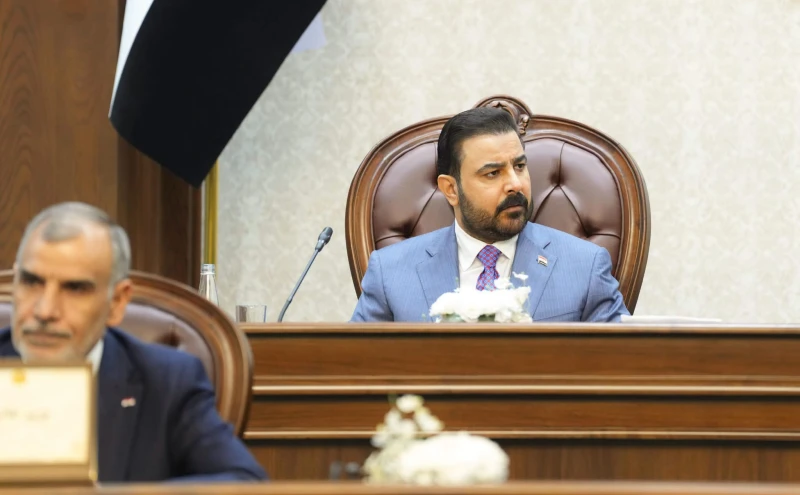
In a letter addressed to the parliament’s speakership on Sunday, a parliamentary fact-finding committee said it has received “confirmed information” that Iraqi Prime Minister Ali al-Zaidi held an emergency meeting with security officials, including Popular Mobilization Commission (PMC) chief Falih al-Fayyadh, three hours before the US-Saudi attack began on July 29, informing them about the incoming strikes and calling on them to “take precautions and evacuate the headquarters.”
“We request approval to form an investigative committee from the Security and Defense Committee to determine the reasons for not taking precautions and evacuating the headquarters,” read the letter from the committee.
The PMC, the official government agency in charge of bringing all PMF factions under state control, quickly condemned “the baseless accusations” made against Fayyadh, accusing certain parties of exploting the current instability to “settle political scores and undermine the PMF leadership.”
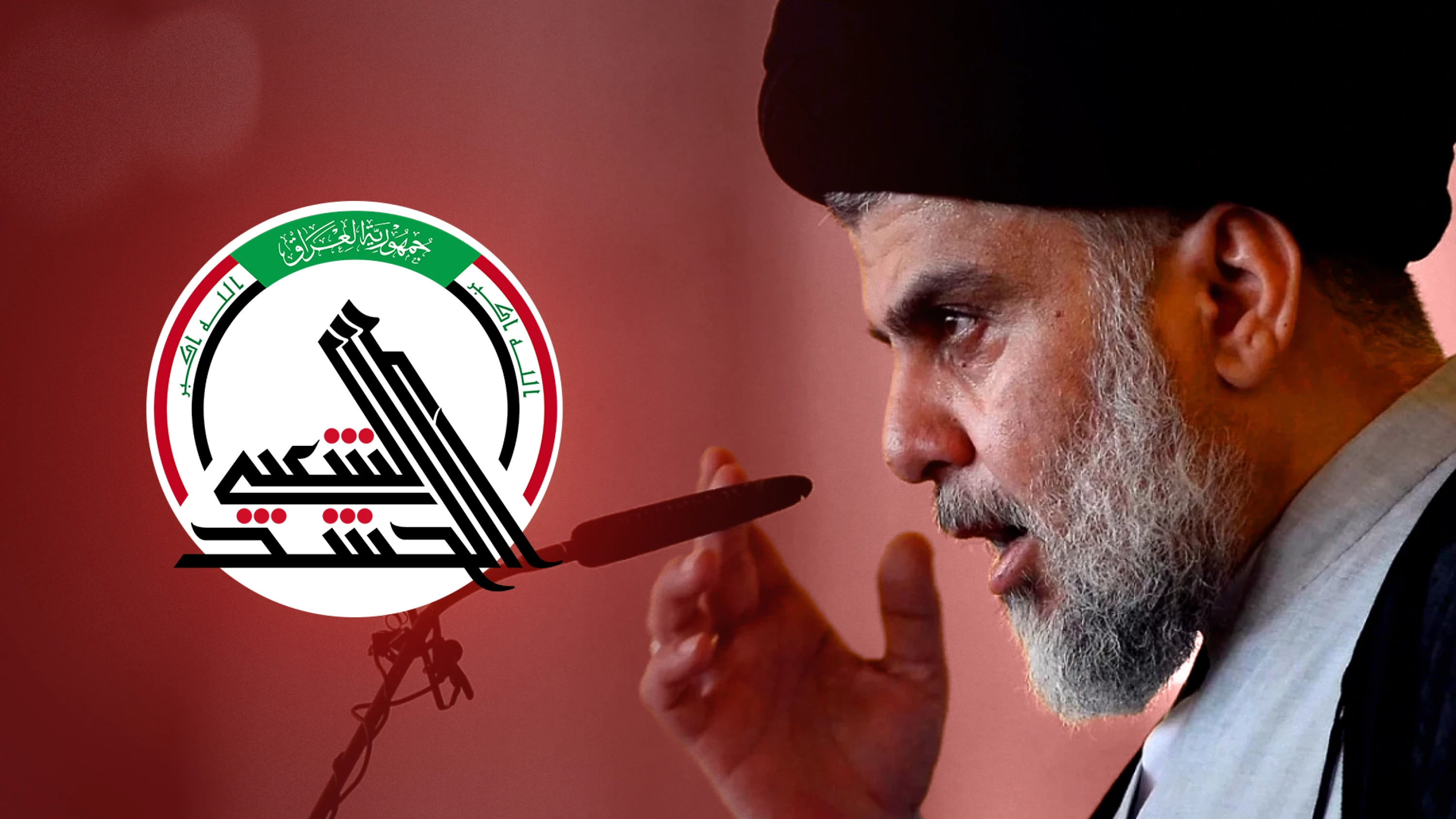
Salah al-Ubaidi, Sadr’s spokesperson, said in a statement on Monday that following the US-Saudi attack on the PMF, “a systematic media campaign was launched simultaneously to confuse matters and mislead the public, in order to cover up an internal crime that is no less serious than the external attack itself.”
“This crime consists of issuing a formal and comprehensive notification to senior officials, from the top of the political hierarchy to the administrative leadership of the Popular Mobilization Forces (PMF), regarding the necessity of evacuating the targeted headquarters. However, this notification was concealed from the rank and file and field operatives, who were not warned,” said Ubaidi.
In a strongly-worded statement on July 30, Sadr blamed the “reckless acts” of militia groups and the “failure” to restrict weapons in the hands of the Iraqi state for the deadly strikes on the PMF.
Sadr’s remarks drew heavy backlash from supporters of political rivals, censuring the Shiite cleric for providing justification for the attacks on the PMF, an officially recognized state security body, instead of displaying support.
In his Monday statement, Ubaidi claimed that the criticism made against Sadr and his family in the aftermath was part of “an organized and targeted media campaign” with the aim of “diverting attention and suppressing the fundamental question: Who is directly responsible for the failure to evacuate the headquarters and the sacrifice of the fighters’ lives?”
The spokesperson noted that similar “fake news” involving Sadr has been disseminated in the past, including rumors that Sadr had endorsed Nouri al-Maliki’s prime ministerial bid before the appointment of Zaidi.
“Therefore, the national and moral duty requires all of us to launch a broad campaign to demand the opening of a transparent investigation and the accountability of the leaders and officials responsible for the negligence and the sacrifice of Iraqi blood in the sites that were bombed, and not to allow the blood of the martyrs to be turned into a pretext for political settlements or conflicts,” Ubaidi concluded.
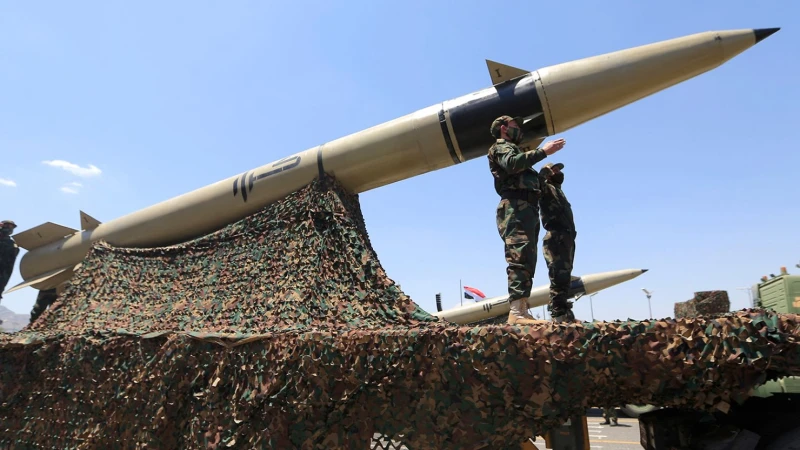
On July 29, American and Saudi forces carried out coordinated strikes against several bases of the PMF, a state-integrated but Iran-backed paramilitary umbrella group, across seven provinces of Iraq, killing at least 20 fighters and injuring 32 others.
The attack came after Saudi authorities said the country’s oil facilities were targeted by Iran-aligned militias inside Iraq, accusing the factions of acting at the behest of Iran’s Islamic Revolutionary Guard Corps (IRGC).
During a Monday presser, Iraqi government spokesperson Haider al-Aboudi reiterated that the government “had no knowledge of any information or indication” about the US-Saudi attack before it was carried out.
 Facebook
 LinkedIn
 Telegram
 X
X