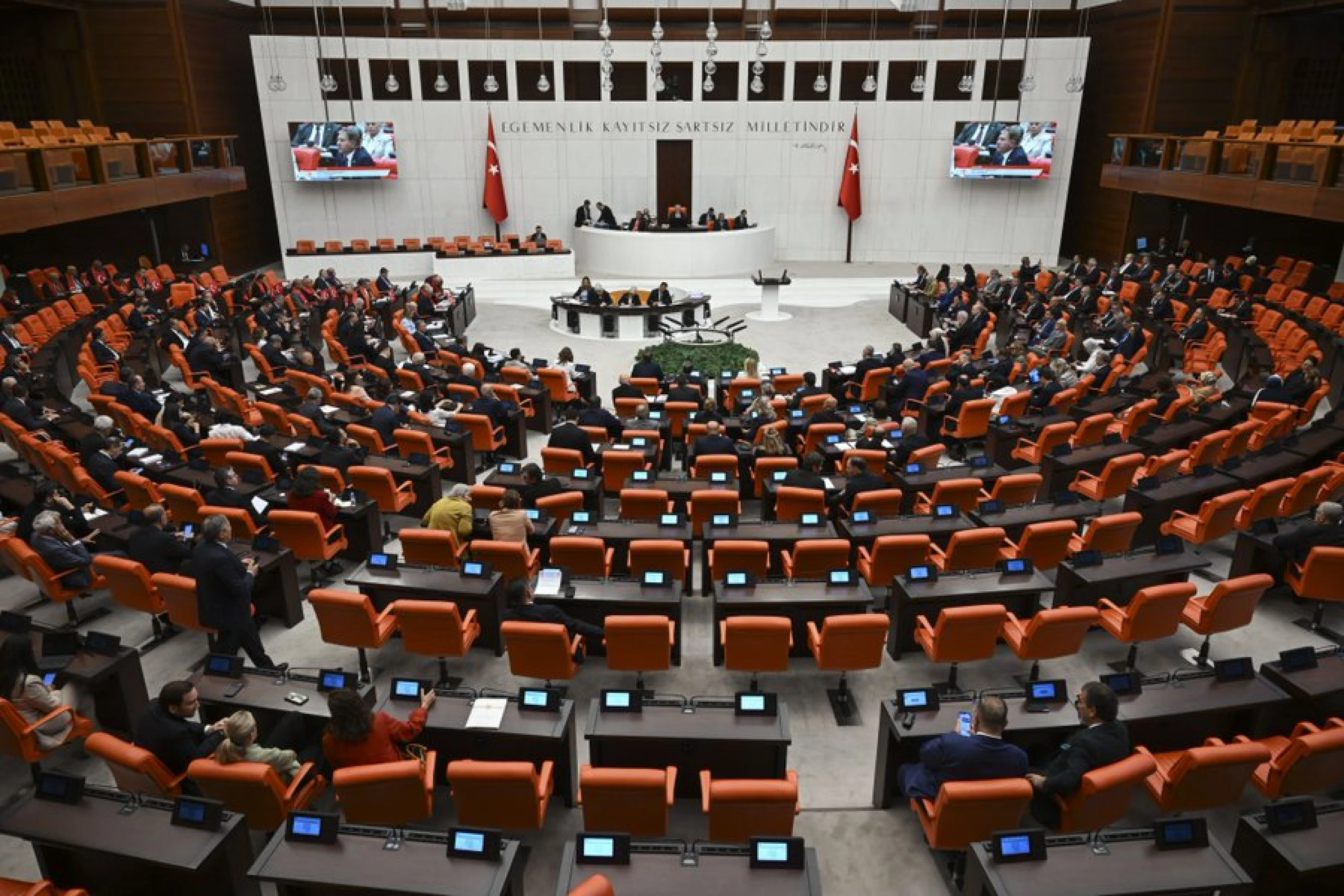
ERBIL, Kurdistan Region of Iraq - The Turkish parliament on Monday night voted to adopt a historic bill that outlines the legal framework for the peace process with the Kurdistan Workers' Party (PKK), marking a substantial step forward in ending the decades-long conflict that claimed tens of thousands of lives.
Titled the "Law Proposal on Strengthening National Solidarity and Social Integration," the legislation was approved with 468 votes in favor, 88 votes against, and six abstentions after roughly 12 hours of deliberations.
Long awaited by Kurdish political forces, the adopted bill marks the largest legislative step ever taken by the Turkish state toward ending the conflict, coming after PKK founder Abdullah Ocalan in 2025 issued a historic call for the group to lay down its weapons and pursue its aims through wholly non-violent means.
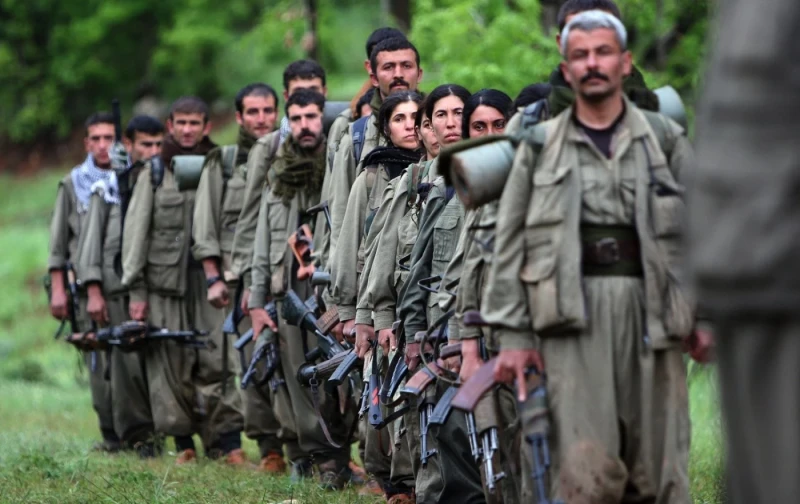
The armed group, which battled Ankara for over four decades, subsequently agreed to dissolve itself, withdrawing from military positions in the Kurdistan Region of Iraq and engaging in a ceremonial disarmament ceremony in Sulaimani in July 2025.
The Turkish bill aims to facilitate the reintegration of former PKK fighters into society and will apply to those who notify authorities in writing "of their intention to benefit from these provisions" within six months of the National Security Council confirming that the PKK has completely ended its operations, surrendered its weapons and ammunition, and "ceased their actual existence," according to the state-run Anadolu Agency.
The bill does not establish a general amnesty for former PKK fighters. Instead, it aims to establish legal procedures for matters involving the postponement of certain sentences and the handling of ongoing prosecutions, according to state media.
"For crimes covered by this bill, the execution of sentences for convicts sentenced to a total of 15 years or less of imprisonment will be suspended for 5 years, and the execution of sentences for convicts sentenced to a total of more than 15 years of imprisonment, life imprisonment, or aggravated life imprisonment will be suspended for 10 years by the decision of the execution judge," Anadolu Agency reported following the bill's passage.
The law also excludes crimes committed before 2005 that carried a death sentence or life imprisonment, as well as intentional killings committed as part of organizational activities, said Abdulhamit Gull, deputy chairman of Turkey’s ruling Justice and Development Party (AKP), during the Justice Committee meeting, according to the Turkish parliament.
Speaking during the Monday parliamentary session regarding the bill, co-chair of the pro-Kurdish People's Equality and Democracy Party (DEM Party) Tuncer Bakhiran called the day a moment of "historic transition," asserting that "the century-old Kurdish issue is being moved from the shadow of conflict to the realm of law."
"Kurdish geopolitics is the political geography for resolving the knot of the Middle East. This geopolitics offers the possibility of a democratic future. We must update historical Turkish-Kurdish relations around this geopolitical reality," he continued.
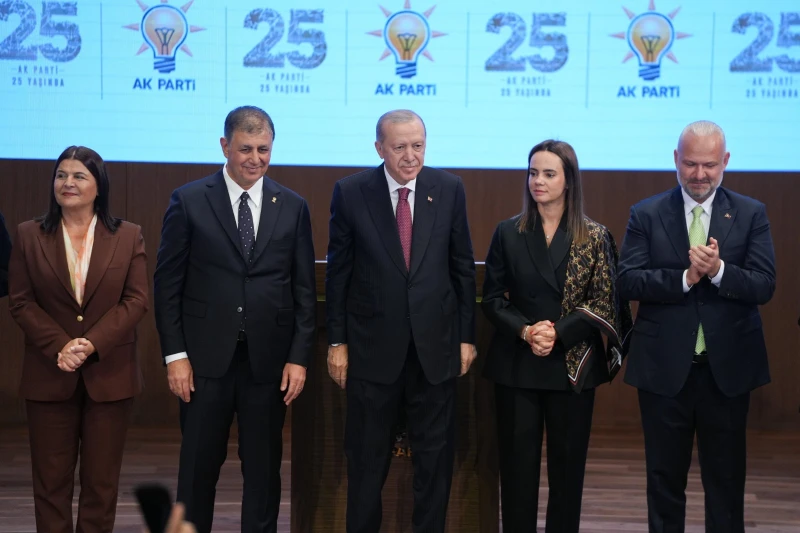
Initiated by peace overtures made by leader of the far-right Nationalist Movement Party (MHP) Devlet Bahceli, the peace process has enjoyed support from Turkish President Recep Tayyip Erdogan and his AK Party.
The Republican People's Party (CHP), as well as a new, vociferously anti-Erdogan faction known as the Yeni Parti (New Party) started by ousted CHP leader Ozgur Ozel, also supported the legislation.
Under the shadow of stark linguistic and cultural repression, Ocalan formed the PKK in 1978 with a vision of establishing a Kurdish nation-state in which members of the ethnic group would be free to express their Kurdish identity, long suppressed by the Kemalist Turkish state.
However, following his arrest in 1999 and subsequent imprisonment on Imrali Island, the infamous leader underwent an ideological shift toward the concept of democratic confederalism, focusing on community-level democratic politics that could function in pre-existing Middle Eastern states, marking a shift from what he would later deride as the movement's "primitive nationalism" in favor of a worldview that has facilitated a degree of reconciliation with Ankara, repeatedly stressing the historical "brotherhood" of Turks and Kurds.
 Facebook
 LinkedIn
 Telegram
 X
X